The metaverse is a virtual world that is being created by tech companies like Meta (formerly Facebook), Microsoft, and Google. It is still in its early stages, but it has the potential to revolutionize the way we interact with technology, work, and play.
The metaverse is a convergence of several technologies, including virtual reality (VR), augmented reality (AR), and mixed reality (MR). VR creates a completely immersive experience, where users feel like they are actually inside the virtual world. AR overlays digital information onto the real world, while MR combines both VR and AR.
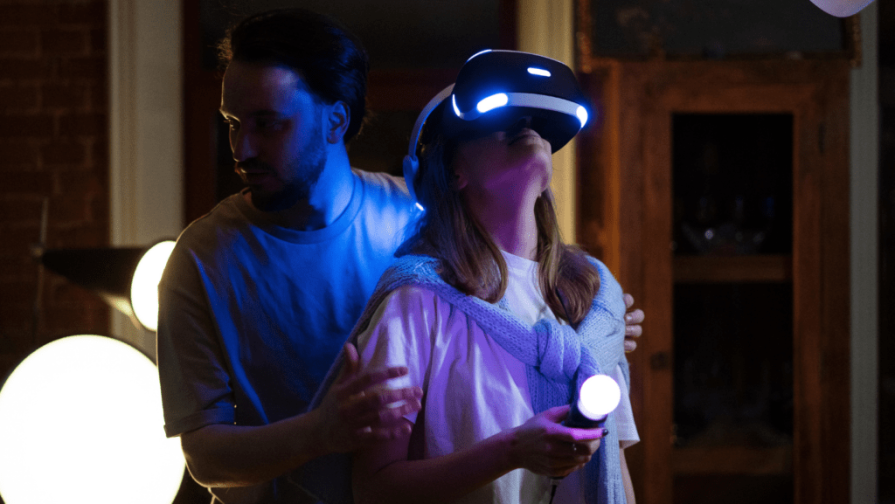
gaming in the metaverse
The metaverse is not a single platform, but rather a collection of different virtual worlds. These worlds can be used for a variety of purposes, such as gaming, socializing, working, and learning. One of the most promising applications of the metaverse is in gaming. VR and AR games can create more immersive and realistic experiences than traditional games. They can also be used to create social games that allow people to interact with each other in real time. The metaverse can also be used for socializing. People can use it to meet new friends, attend events, and even go on virtual dates.
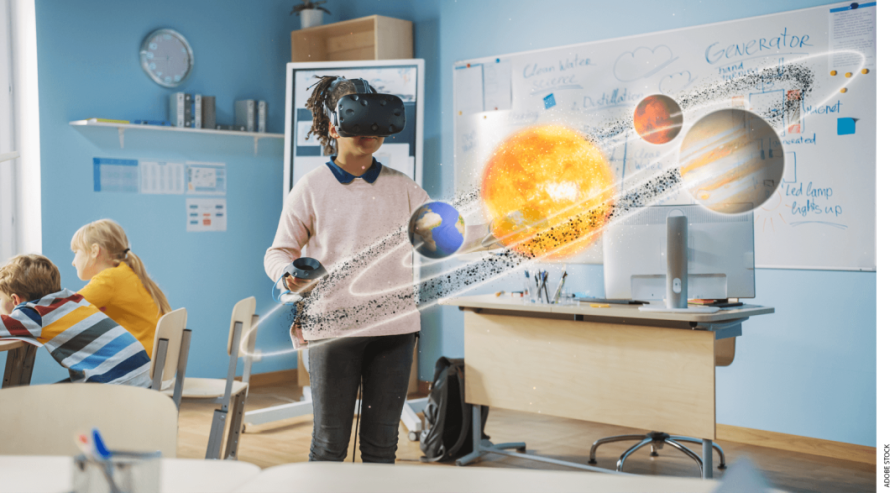
teaching and learning in the metaverse
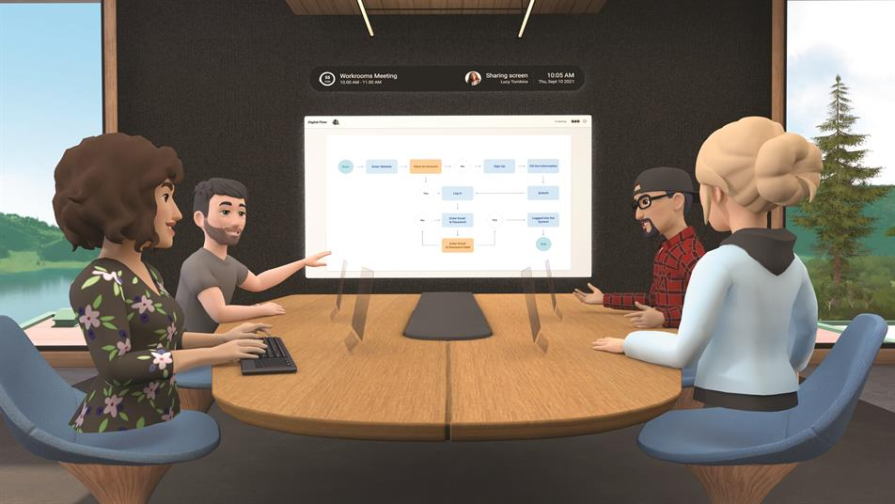
The metaverse has the potential to revolutionize the way we work. Employees can use it to collaborate with each other from anywhere in the world, and they can also use it to access virtual workspaces and tools. The metaverse can also be used for learning. Students can use it to attend virtual classes, take part in simulations, and interact with virtual teachers.
work collaboration in the metaverse
This virtual reality world is still in its early stages, but it has the potential to change the world in many ways. It is important to start thinking about how the metaverse will impact our lives and how we can prepare for it. Here are some of the potential benefits of the virtual reality world:
Increased productivity and collaboration: The metaverse can make it easier for people to work together from anywhere in the world. This can lead to increased productivity and innovation.
Improved learning experiences: This virtual reality world can be used to create immersive and interactive learning experiences. This can help students learn more effectively.
Enhanced social interactions: This virtual reality world can be used to connect with people from all over the world. This can help people build stronger relationships and communities.
New economic opportunities: The metaverse can create new economic opportunities, such as jobs in gaming, design, and development.
Some Potential Risks Associated With The Metaverse:
Privacy and security concerns: This virtual reality world will collect a lot of data about users, which could be used to track them or even exploit them.
privacy issues in the metaverse
Addiction: The metaverse could be addictive, especially for young people. This could lead to problems such as social isolation and mental health issues.
addiction to the metaverse
Digital divide: This virtual reality world will require access to high-speed internet and VR/AR devices. This could create a digital divide between those who can afford to participate and those who cannot.
It is important to be aware of these risks and to take steps to mitigate them. For example, we need to develop strong privacy and security measures for this virtual reality world, and we need to educate young people about the potential risks of addiction.
Conclusion
Overall, the metaverse has the potential to be a powerful force for good in the world. However, it is important to be aware of the risks and to take steps to mitigate them. With careful planning and execution, the virtual world can be a force for positive change.
Leave us a comment about what you think about this post below. and if you want to get started in this virtual reality world, click on these links
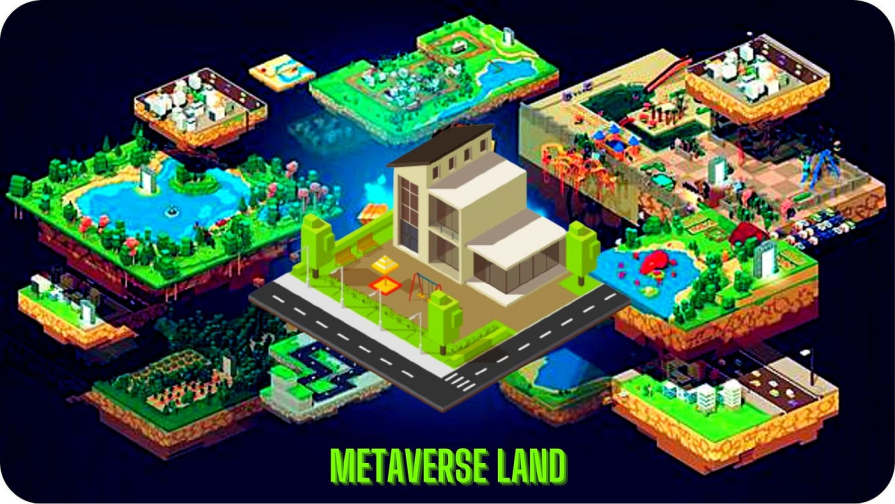
The metaverse is a virtual world that is still in its early stages, but it is growing rapidly. People are buying land in the metaverse for a variety of reasons, including:
To build their own virtual spaces, such as homes, businesses, or games.
To invest in the metaverse, believing that the value of land will increase over time.
To participate in the economy of the metaverse, such as by selling virtual goods or services.
I recently bought more land in the metaverse for a few reasons. First, I believe that the metaverse has the potential to be a major platform for the future. I think that people will increasingly use the metaverse to work, play, and socialize. Second, I believe that the value of land in the metaverse will increase over time. As more people become interested in the metaverse, the demand for land will increase, driving up prices. Finally, I want to be involved in the early stages of the metaverse. I think that there are a lot of opportunities to be had in the metaverse, and I want to be in a position to take advantage of them.
I bought my land in a metaverse called Decentraland. Decentraland is a decentralized virtual world that is built on the Ethereum blockchain. This means that land in Decentraland is an NFT, which is a unique digital asset that is stored on the blockchain. This gives me ownership of my land and ensures that it cannot be counterfeited.
I plan to use my land in Decentraland to build a virtual home. I also want to create a space where people can come together to socialize and collaborate. I think that the metaverse has the potential to be a great place for people to connect with each other, and I want to be a part of that. I am excited about the future of the metaverse and the opportunities that it presents. I believe that land in the metaverse is a valuable asset, and I am glad that I have invested in it. I am also excited to be a part of the early stages of this new and exciting technology.
Here are Some Tips for Buying Land in The Metaverse:
Do your research. There are many different metaverses out there, and each one has its own unique features. It is important to do your research and choose a metaverse that is right for you.
Consider your goals. What do you want to do with your land in the virtual world? Do you want to build a virtual space, invest in the metaverse, or participate in the economy? Your goals will help you determine what type of land to buy.
Be prepared to pay a premium. Land in the metaverse is still in its early stages, so prices are high. Be prepared to pay a premium for land that you want.
Don’t forget about the future. The metaverse is still evolving, so it is important to think about the future. Make sure that you buy land in a metaverse that has a lot of potential for growth.
Conclusion
I hope this blog post has given you a better understanding of the metaverse and the potential of land in the metaverse. If you are interested in buying land in the metaverse, I encourage you to do your research and find a virtual land that is right for you.
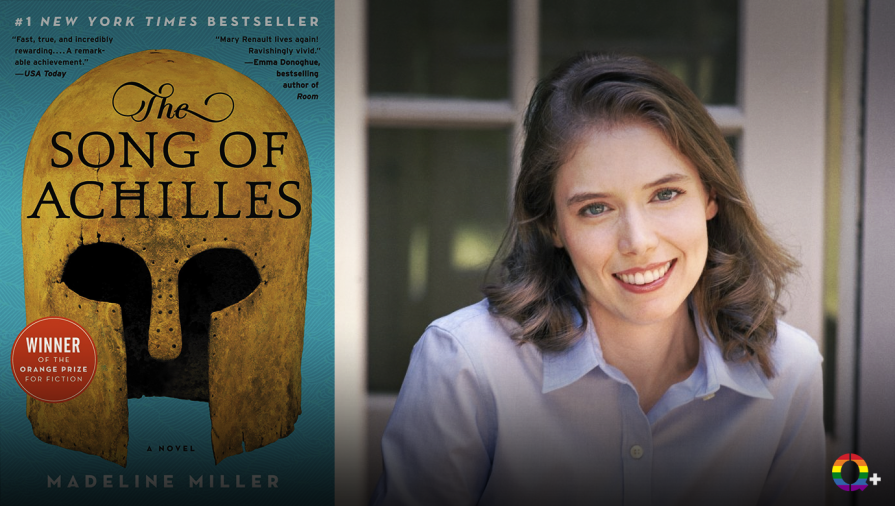
2011 saw the publication of American author Madeline Miller’s book The Song of Achilles. It is a retelling of Homer’s Iliad from Patroclus’ point of view and is set in the Greek Heroic Age. With a focus on their romantic relationship, the book covers Patroclus and Achilles’ relationship from their first encounter to their adventures during the Trojan War.
Patroclus, a young prince, is banished from his nation at the book’s outset as a result of a horrible act of violence. King Peleus and his son Achilles, who are preparing for the Trojan War, send him to live with them. The friendship between Patroclus and Achilles develops over time as they practice together and gain knowledge of the outside world. In the end, Achilles is killed in battle. Patroclus is devastated, and he takes his own life. The novel ends with Patroclus’ funeral, and with the gods lamenting the loss of two great heroes.
About the Author of Song of Achilles, Madeline Miller.
Philadelphia and New York City were the places Madeline Miller was raised. She attended Brown University, where she majored in classics and received her BA and MA. For more than fifteen years, she has instructed high school pupils in Latin, Greek, and Shakespeare. Additionally, she completed coursework at Yale School of Drama’s dramaturgy program and the University of Chicago’s Committee on Social Thought, where she concentrated on the transformation of classical texts into contemporary forms.
The Song of Achilles is a beautifully written novel that tells a moving and tragic story of love, loss, and war. It has been praised for its historical accuracy, its vivid characters, and its lyrical prose. The novel has won numerous awards, including the Orange Prize for Fiction. If you are interested in Greek mythology, war stories, or love stories, then I highly recommend The Song of Achilles. It is a powerful and unforgettable novel that will stay with you long after you finish reading it.
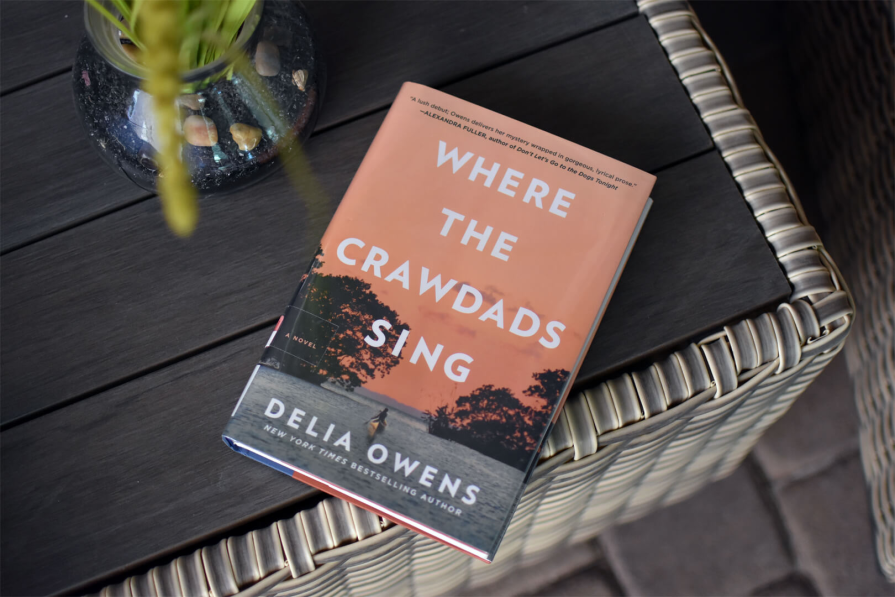
Where the Crawdads Sing is a coming-of-age story about a young girl named Kya Clark who is abandoned by her family and left to raise herself in the marshes of North Carolina. Kya learns to survive on her own, mastering the skills of hunting, fishing, and building shelter. She also develops a deep connection to the natural world.
When Kya is 19, she meets Chase Andrews, a local boy who is everything she is not. Chase is handsome, popular, and outgoing, while Kya is shy and solitary. The two begin a secret relationship, but it ends in tragedy when Chase is found dead. Kya is arrested for his murder, but she is acquitted due to lack of evidence.
About the Author, Delia Owens
The Eye of the Elephant, Secrets of the Savanna, and Cry of the Kalahari are three nonfiction works on the life of Delia Owens as an African wildlife biologist that have achieved international bestseller status. She has been featured in numerous publications, including Nature, The African Journal of Ecology, and International Wildlife, and she has won the John Burroughs Award for Nature Writing. She is still supporting the people and wildlife of Zambia while she resides in Idaho. She wrote her debut book, Where the Crawdads Sing.
The novel explores themes of nature, isolation, love, and loss. It is a story about the power of the human spirit to survive against all odds. Here are some additional details that I can include in the summary:
The novel is told in two timelines: the first follows Kya’s childhood and adolescence in the marsh, and the second follows the investigation into Chase’s murder.
Kya’s story is inspired by the life of Marsh Girl, a real-life woman who lived in the North Carolina marshes in the 1960s.
The novel has been praised for its beautiful writing, its complex characters, and its sensitive portrayal of Kya’s journey.
It has been a commercial success, selling over 18 million copies worldwide.
This project concentrated on selecting an approach that would design an IoT based green house project. The task at hand was to devise and build a greenhouse irrigation model with the ability to inspect, control, and monitor the temperature and humidity of the plant. While regulating the soil level, it will also keep an eye on the moisture level of the soil. The concept was intended to be based on the internet of things (IoT). This implied that it could be managed and observed remotely from anywhere in the world.
The Materials Required for this Project
The table below is the materials required for this project construction. Also we have included the the quantity needed. You can head over to our online shop to get most of the items here.
ITEM DESCRIPTION
QUANTITY
UNIT COST
TOTAL UNIT
LiPo CHARGING MODULE
1
DHT22
1
3×6 INCH PATRESS BOX
1
Connector
3
RESISTORS
2
CONNECTING WIRES
3 yards
Sil Moisture sensor
1
MQ135 SENSOR
1
LIPO BATTERY
1
SOLDER
1
SOLDERING IRON
1
Buzzer
1
NodeMCU Board
1
Acryllic glass
1
Plastic container
1
Plywood board
1
Glue stick
10
DC SWITCH
1
FEMALE HEADERPIN
2
MISCELLANEOUS
table of materials/components needed for the project design
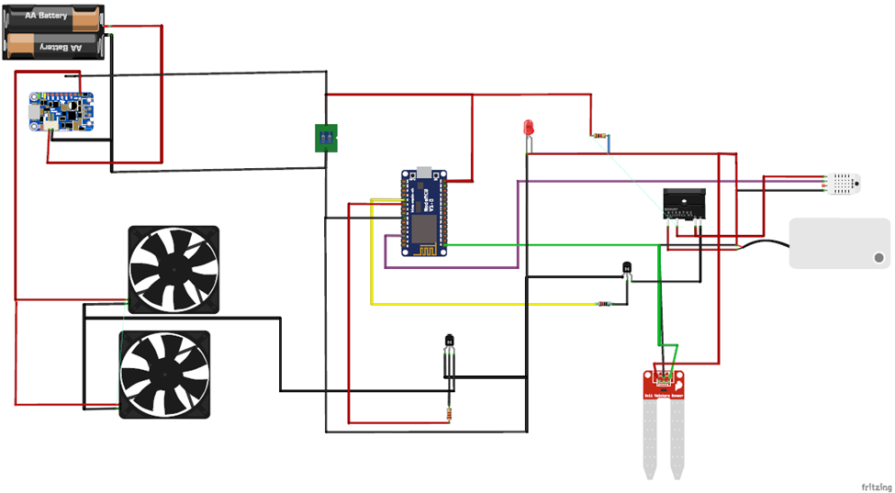
Schematic Diagram for the IoT Based Green House Project
schematic diagram for IoT based green house project
The DC fans are connected in parallel to each other and are energized by an NPN transistor which is fired at the base by an 1k resistor. When the button on the web dashboard is pressed, the received signal indicates the state of the DC fan. Either to baise the base of the transistor or not. The DC pump is also controlled by the transistor since it demands some initial current at start up. The base of the resistor is connected to a 1k resistor that is connected to a GPIO pinon the NodeMCU. When this GPIO pin is high at 3.3V, the base of the transistor is biased, and when it is LOW it is not biased.
The soil moisture level sensor is connected to the only ACD pin on the NodeMCU, this is the A0 pin. The analog output pin (A0) was connected to this A0 on the NodeMCU. And a program was used to read the analog reading of the sensor. Alternatively, you can download the code and schematic diagram from the link here.
Programming the Project (Arduino Sketch)
 #define BLYNK_TEMPLATE_ID "xxxxxxxxxxxxxxxx" //replace with your unique ID
#define BLYNK_TEMPLATE_NAME "Green House Project"
#define BLYNK_AUTH_TOKEN "xxxxxxxxxxxxxxxxxxxx" //replace with your token

#include "DHT.h"

// Comment this out to disable prints and save space
#define BLYNK_PRINT Serial

#include <ESP8266WiFi.h>
#include <BlynkSimpleEsp8266.h>

char auth[] = BLYNK_AUTH_TOKEN;

char ssid[] = "Galaxy A51 917E";
char pass[] = "ancsucre21";

#define DHTPIN D3     // Digital pin connected to the DHT sensor
//outline the actuATORS
#define dcFan D6
#define dcPump D8
#define humdifier D5
//state the inputs
#define soilMostureSensor A0
// Uncomment whatever type you're using!
//#define DHTTYPE DHT11   // DHT 11
#define DHTTYPE DHT22   // DHT 22  (AM2302), AM2321
//#define DHTTYPE DHT21   // DHT 21 (AM2301)

DHT dht(DHTPIN, DHTTYPE);
//variables
float h, t, f;

int readSoil, pumpButton, tempButton, humidifierButton;

BLYNK_WRITE(V3) {
 pumpButton = param.asInt();
if((readSoil > 19) && (readSoil <= 54)){
  if (pumpButton==1){
  digitalWrite(dcPump, HIGH);
    }
  else if(pumpButton==0){
    digitalWrite(dcPump, LOW);
    }
  }
}

BLYNK_WRITE(V4) {
 tempButton = param.asInt();
 Serial.println(tempButton);
if((t > 19) && (t <= 40)){
    if (tempButton==1){
digitalWrite(dcFan, HIGH);
    }
else if(tempButton==0){
  digitalWrite(dcFan, LOW);
    }
  }
}

BLYNK_WRITE(V5) {
  humidifierButton = param.asInt();
    if (humidifierButton==1){
      pressHum();
    }
else if(tempButton==0){
  Serial.println("press again");
    }
}

void pressHum(){
  digitalWrite(humdifier, LOW);
 delay(100);
 digitalWrite(humdifier, HIGH);
}

void setup() {
  //begin serial comm.
  Serial.begin(9600);
    //state the actuators as outputs
  pinMode(dcPump, OUTPUT);
  pinMode(humdifier, OUTPUT);
  pinMode(dcFan, OUTPUT);

  //turn off humidifier
 pressHum();
 delay(3000);
 pressHum();
 delay(3000);
pressHum();
  //begin the dht sensor
   dht.begin();
  Blynk.begin(auth, ssid, pass);

 digitalWrite(dcFan, LOW);

}

void turnOffHumidifier(){
pressHum();
delay(3000);
pressHum();
delay(3000);
pressHum();
   }

void turnOnHumidifier1(){
pressHum();
   }

void turnOnHumidifier2(){
pressHum();
delay(3000);
pressHum();

}

//create a fxn to read the temp and hum
float readTempHum(){
  // Reading temperature or humidity takes about 250 milliseconds!
  // Sensor readings may also be up to 2 seconds 'old' (its a very slow sensor)
  h = dht.readHumidity();
  // Read temperature as Celsius (the default)
   t = dht.readTemperature();
  // Read temperature as Fahrenheit (isFahrenheit = true)
   f = dht.readTemperature(true);

  // Check if any reads failed and exit early (to try again).
  if (isnan(h) || isnan(t) || isnan(f)) {
    Serial.println(F("Failed to read from DHT sensor!"));
    //return;
  }
  // Compute heat index in Fahrenheit (the default)
  float hif = dht.computeHeatIndex(f, h);
  // Compute heat index in Celsius (isFahreheit = false)
  float hic = dht.computeHeatIndex(t, h, false);

  return t, h;
}

void conditionalStatements(){
  readTempHum();
  soilMoisture();

  if(t >= 40.00){
    digitalWrite(dcFan, HIGH);
 }

 if (t <= 15.00) {
 digitalWrite(dcFan, LOW);
 }

// if(h <= 15.00){
//   turnOnHumidifier1();
//    }
//
//  if(h > 50.00)  {
//    turnOffHumidifier();
//  }

   if(readSoil < 18){
    digitalWrite(dcPump, HIGH);
  }

  if(readSoil >= 55){
    digitalWrite(dcPump, LOW);
  }
//  Serial.println(readSoil);
//  delay(500);
}

int soilMoisture(){
  readSoil = analogRead(soilMostureSensor);
  readSoil = map(readSoil, 0, 1023, 100, 0);
  readSoil = constrain(readSoil, 0, 100);

  return readSoil;
}


void loop() {
  conditionalStatements();
  Blynk.run();
  Blynk.virtualWrite(V0, t);
  Blynk.virtualWrite(V1, h);
  Blynk.virtualWrite(V2, readSoil);
}
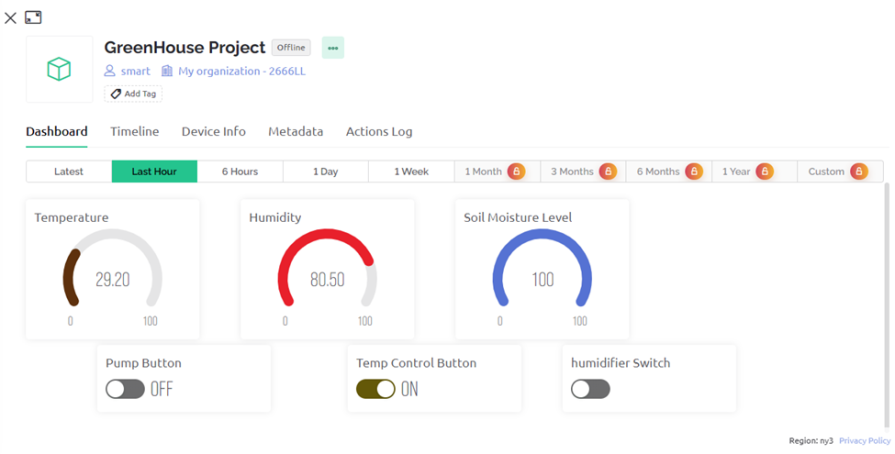
This is displayed widgets on the web app. It has three (3) controls namely, the pump button which is a widget that controls the state of the DC pump of the greenhouse model, the temperature control button, which is responsible for turning on the DC fans; and the humidifier button, which controls the humidifier device in the greenhouse model farm. The Blynk web app has three (3) display widgets to monitor and track the state of the temperature, the humidity, and the soil moisture level. This is shown in the image above. The control widgets use a separate function code to send signals to the NodeMCU when they are switched or they change state while the display widgets use a different function in the program code to write to the Blynk cloud to only display.
Thinning, Soldering and Casing the IoT Based Greenhouse Project
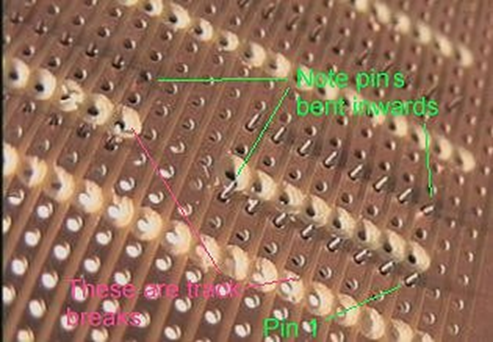
Thinning involves the smooth scrapping of terminal components, either by knife or sand paper, before soldering.
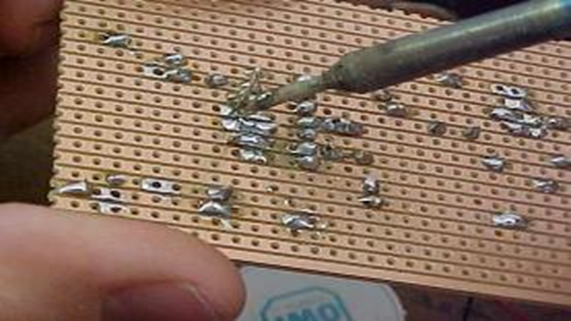
Soldering involves the joining of the conductors or components terminals to the circuit board by means of soldering iron and soldering wire. This process was carried out after the terminals of the component have been thinned and positive results have been obtained from the testing of the component.
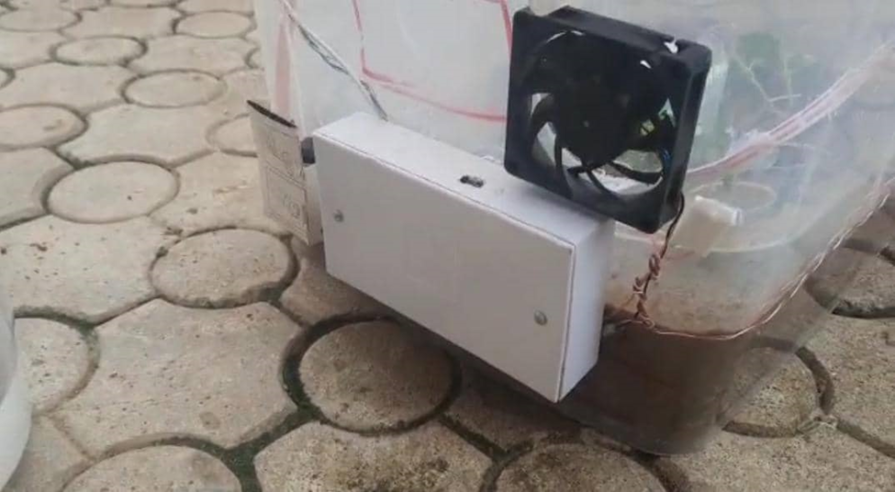
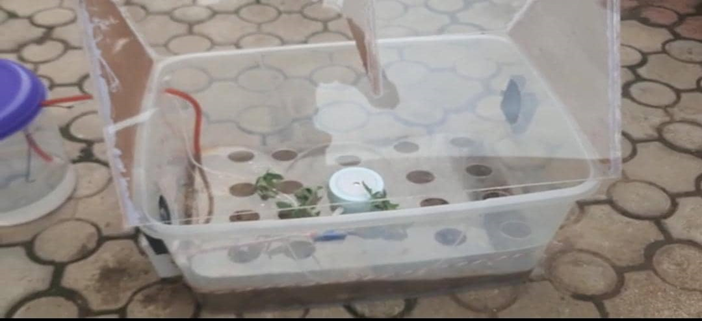
The casing was made to be a house for some of the components. The casing encased the most of the components and modules use in the project design. It was made from a (3×6) inch pattress box.
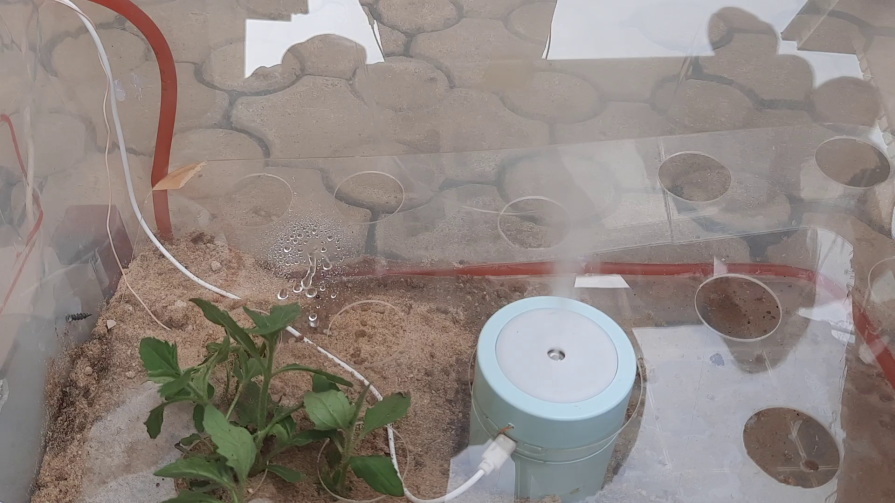
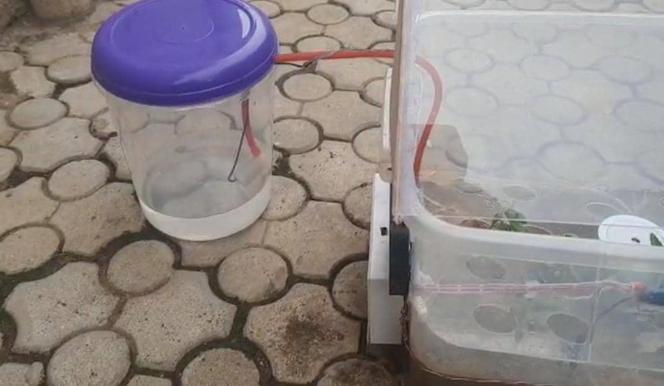
The greenhouse model was made using a transparent encasing as shown above. It measured 50cm x 60cm x 40cm in dimension. The model roof was an acrylic glass that was also transparent. The inside of the box was modelled to perform underground irrigation by placing hose running beneath a soil layer. Two openings were cut for the fan inflow of air and outflow of air. This was to control the temperature through natural means. When the greenhouse model was hot or above optimum temperature, cool air was supplied inside.
The Result
The IoT based greenhouse project was made to control the humidity of the plants inside the model greenhouse by increasing the level of moisture around the plants through the spraying of moist air using a humidifier. This is remotely controlled also through the Blynk IoT app. And also controlled automatically by the brain of the project which is the microcontroller. As shown in the image above, the level of water in the soil will determine if the pump should turn on automatically or remain turned off. The user can also control these parameters by online dashboard.
Conclusion
The IoT-based Green House Project has been designed and tested to work. Let us know in the comment section if you were able to replicate this project or if you made some modifications of your own to it.
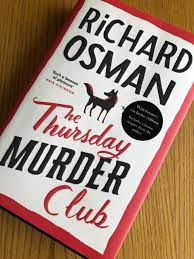
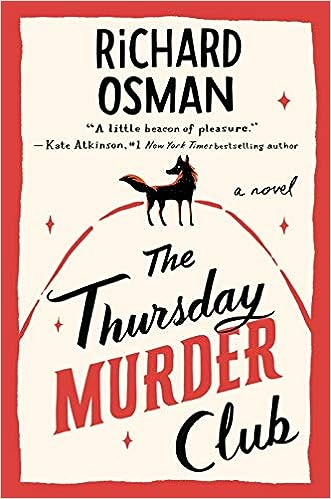
The Thursday Murder Club is a mystery novel set in a retirement village in the UK. The story follows a group of four elderly residents who meet every Thursday to discuss unsolved murders. When a local man is found dead, the group decides to investigate the case themselves. Despite their advanced age, they are determined to solve the crime and bring the killer to justice.
The novel is narrated by Elizabeth, one of the members of the Thursday Murder Club. She is a former MI5 agent who is still sharp as a tack. The other members of the group are Joyce, a retired librarian; Ibrahim, a former doctor; and Ron, a former military man. Together, they use their skills and experience to piece together the clues and solve the mystery.
The Thursday Murder Club is a charming and heartwarming mystery novel that will appeal to fans of Agatha Christie and other classic whodunits. It is a story about friendship, community, and the power of the human spirit.
About the Author of The Thursday Murder Club
Richard Osman Author of The Thursday Murder Club
Author, producer, and television host Richard Osman all work in the media. He published his debut book, this very one. He is well known for the TV programs Richard Osman’s House of Games and Pointless. Richard has served as an executive producer on many series, including Deal Or No Deal and 8 Out of 10 Cats, while serving as the creative director of Endemol UK. He frequently appears on panel and game shows including Taskmaster, Would I Lie To You, and Have I Got News For You.
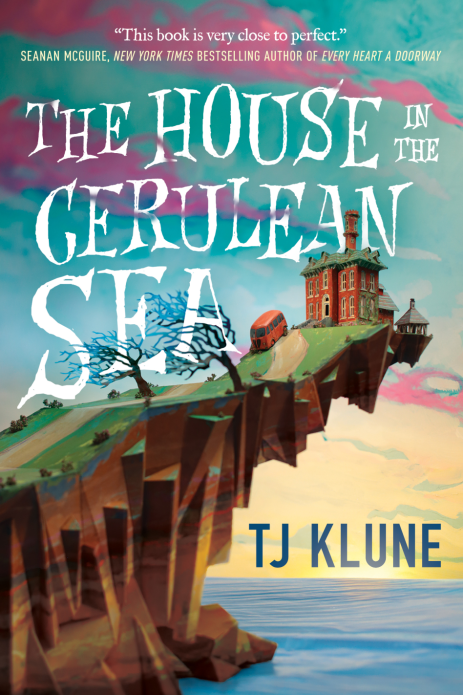
Linus Baker is a caseworker in the Department in Charge of Magical Youth. He is sent to an orphanage on a remote island to investigate six dangerous magical children who may be a threat to the world. However, when he arrives, he finds that the children are not dangerous at all. They are just a group of misfits who have been misunderstood and rejected by society. Linus soon realizes that he has found a new family in these children, and he must fight to keep them safe.
The House in the Cerulean Sea is a heartwarming story about the power of love and acceptance. It is a reminder that everyone deserves to be loved, no matter how different they may be. The book has been praised for its humor, its heartwarming story, and its positive message. It has won numerous awards, including the 2021 Alex Award and the 2021 RUSA Reading List: Fantasy Winner.
About the Author of The House in the Cerulean Sea Book, T.J. Klune
TJ KLUNE is a former claims investigator for an insurance firm and the Lambda Literary Award-winning author of “Into This River I Drown.” The Extraordinaries and The House in the Cerulean Sea are two of his books. Being queer himself, TJ thinks it’s critical to have truthful, affirming, and LGBTQ representation in stories today more than ever.
Conclusion
In summary, here are some of the things that make The House in the Cerulean Sea a special book:
The characters are well-developed and relatable. Linus is a kind and caring person who is slowly learning to open up his heart. The children are all unique and lovable, and they quickly win the reader’s affection.
The story is heartwarming and uplifting. It is a reminder that everyone deserves to be loved and accepted, no matter how different they may be.
The book is full of humor and charm. Klune’s writing style is witty and engaging, and he does a great job of balancing the serious moments with humor.
The book has a positive message. It is a reminder that love and acceptance are the most important things in the world.
If you are looking for a heartwarming and uplifting story, I highly recommend The House in the Cerulean Sea. It is a book that will stay with you long after you finish reading it.
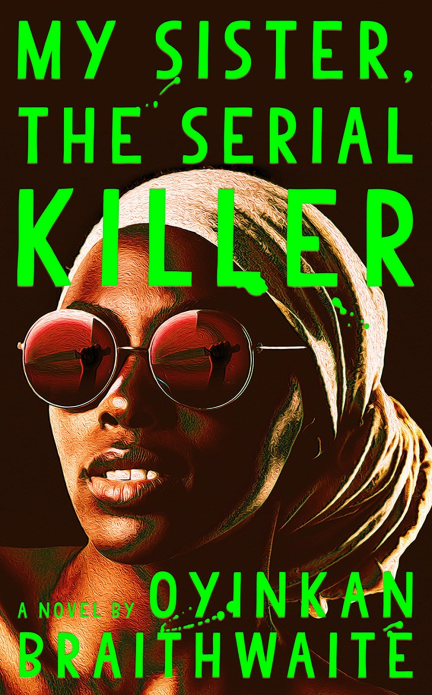
The novel my sister the serial killer spun off the scene that happened in the midst of Korede’s tranquil dinner, an abrupt distress call from her sister, Ayoola, shatters the calm, instantly triggering a familiar protocol: bleach, rubber gloves, unshakable nerves, and a stomach of steel. Ayoola’s record shows this as her third boyfriend dispatched under the guise of self-defense, leaving Korede with the unsettling responsibility of erasing the gory traces left behind. Despite the option of involving law enforcement for the betterment of Nigerian men at large, Korede’s unwavering affection for her sister prevails; the mantra of family first remains strong.
However, a new complexity arises when Ayoola initiates a romantic relationship with the doctor at Korede’s workplace, a hospital where she serves as a dedicated nurse. Korede’s veiled affection for the doctor comes to light, and she can’t bear the thought of him falling victim to Ayoola’s lethal tendencies. The heart-wrenching dilemma surfaces: to save one, the other must be forsaken.
My Sister the Serial Killer weaves a narrative that skillfully blends dark comedy with a reflection on the tenacity of familial bonds – ones that prove to be more indomitable, and more challenging to remove from the fabric of life, than mere water stains on a care
Oyinkan Braithwaite is a graduate of Creative Writing and Law from Kingston University. Following her degree, she worked as an assistant editor at a Nigerian Publishing House and has been freelancing as a writer and graphic designer since. She has had short stories published in anthologies and has also self-published work.
In 2014, she was shortlisted as a top ten spoken word artist in the Eko Poetry Slam. In 2016, she was shortlisted for the Commonwealth Short Story Prize.
She is the author of My Sister, the Serial Killer, which won the 2019 LA Times Award for Best Crime Thriller, the 2019 Morning News Tournament of Books, the 2019 Amazon Publishing Reader’s Award for Best Debut Novel, the 2019 Anthony Award for Best First Novel.
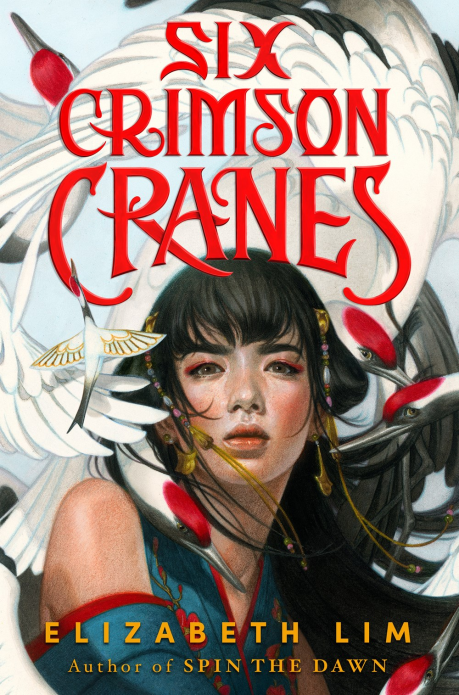
Penniless, voiceless, and alone, Shiori searches for her brothers, and, on her journey, uncovers a conspiracy to overtake the throne—a conspiracy more twisted and deceitful, more cunning and complex, than even Raikama’s betrayal. Six Crimson Cranes. Only Shiori can set the kingdom to rights, but to do so she must place her trust in the very boy she fought so hard not to marry. And she must embrace the magic she’s been taught all her life to contain—no matter what it costs her.
About the Author Elizabeth Lim
Elizabeth Lim grew up on a hearty staple of fairy tales, myths, and songs. Her passion for storytelling began around age 10, when she started writing fanfics for Sailor Moon, Sweet Valley, and Star Wars, and posted them online to discover, “Wow, people actually read my stuff. And that’s kinda cool!” But after one of her teachers told her she had “too much voice” in her essays, Elizabeth took a break from creative writing to focus on not flunking English.
A fantasy novel inspired by the legend of the crane wives, this story follows Akiko, a young woman who must find her way home after being banished from her kingdom.
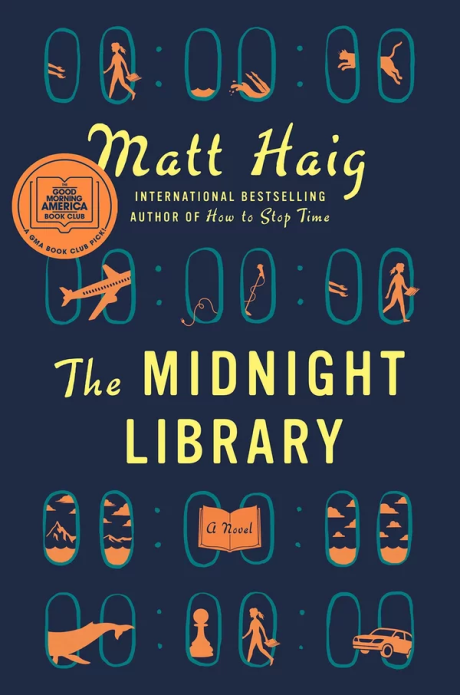
The Midnight Library is a story about a woman named Nora Seed who is feeling lost and unfulfilled in her life. She decides to end her life, but instead finds herself in a library where she can see all the other lives she could have lived. She explores these different lives, but ultimately realizes that her own life is worth living, even with all its flaws.
The midnight library book cover
The book explores the themes of regret, hope, and the meaning of life. It is a reminder that no matter how difficult things may seem, there is always hope for a better future. It is also a reminder that our lives are precious and should not be taken for granted.
About the Authur of Midnight Library, Matt Haig
Author of The midnight library Matt
The Humans and The Radleys, “How to Stop Time,” and six more critically praised adult novels by Matt Haig are among his best-selling works. He is also the author of “Reasons to Stay Alive,” “Notes on a Nervous Planet,” and “Reasons to Stay Alive.” His most recent work, “The Midnight Library,” is read aloud in the audiobook version by Carey Mulligan. Haig also writes acclaimed children’s stories, such as A Boy Called Christmas, which is being adapted into a star-studded movie. His works have been translated into more than forty languages, and he has sold more than a million copies in the UK.