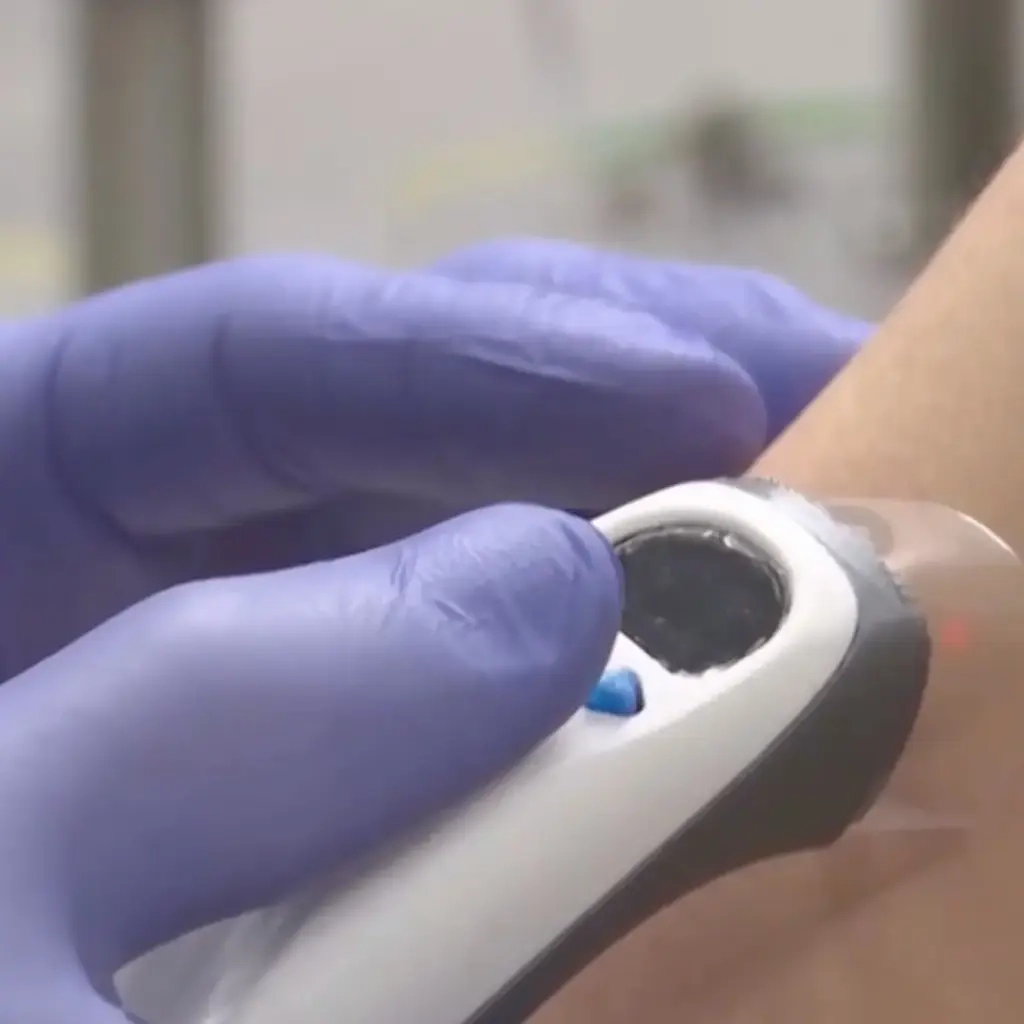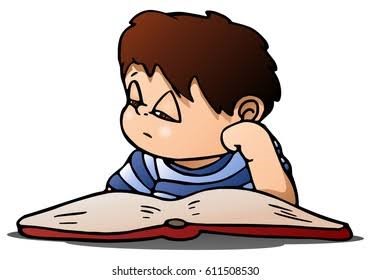
One common trait with we Nigerians is our laziness to read, even the small things/details, hence the popular saying that if you would hide something from an African, hide it in a book, because they’re certain that he wouldn’t read it. Sadly, it remains a common disease till date. One, great men with generations-worth of legacy such as Dr. David O. Oyedepo has dedicated a significant part of their lives to cure. Remember those terms and conditions you didn’t read and somehow feel like you got away with using the service unharmed, if you do, then you should know it’s a habit not worth risking your life on with medical labels on prescriptions. Needless to say your pharmacist could be wrong or your doctor could misdiagnose a health issue, and what may just save you at that moment is a bit of curiosity.
Medical labels on prescriptions are not just routine markings placed by pharmacists or doctors—they are critical safety instructions designed to protect your health and, in some cases, your life. Every prescription label contains important information such as dosage instructions, timing, warnings, and possible interactions. Ignoring or misunderstanding these labels can lead to serious health complications, overdosing, allergic reactions, or even life-threatening situations.
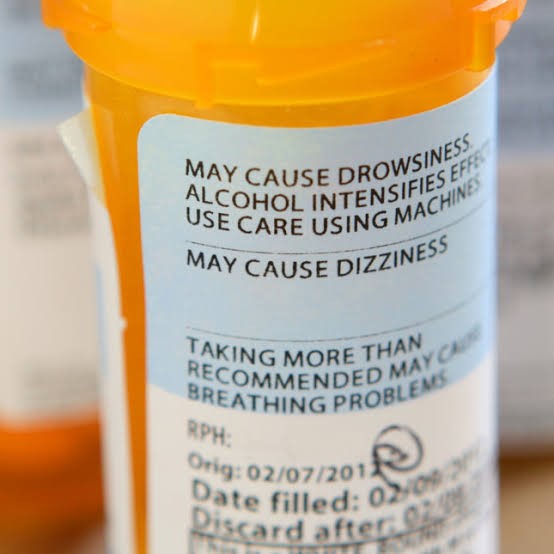
Many patients assume that once a drug is prescribed, it is automatically safe. However, medications behave differently in different bodies. Labels often warn against taking certain drugs with alcohol, specific foods, or other medications. They may also indicate whether a drug causes drowsiness, should be taken with food, or must be stored in a particular way. These details are included because failing to follow them can reduce effectiveness or cause harm.
Medical labels also help prevent dangerous medication errors. Some drugs look similar or have similar names but perform very different functions. Labels clearly identify the medication name, strength, and patient details to ensure the right drug is taken by the right person. This is especially important for children, the elderly, and individuals managing chronic conditions.
In emergency situations, medical labels can provide healthcare professionals with quick insight into what medications a patient is using. This information can guide urgent treatment decisions and prevent harmful drug interactions. Taking a few seconds to read and understand prescription labels is a simple habit that can significantly improve treatment outcomes and personal safety.
Read More
- How to Use Infrared Receivers to Control Home Remote
- Smart hydroponics Project
- Anti-Theft and Burglar System with SMS Notification
One thing some of us, and I bet many don’t know is that we can ask our doctors questions, they owe it to us to explain the functionality of medications and even their side effects, that way, when you read a drug label, you can alert your physician if you see any contradictory or inconvenient information. Have you been in a scenario were your physician prescribed medications for you, you failed to go through the labels, and so when the side effects of the drugs kicked in, you found out you were only as useful as a docked ship at work or you were drowsy and unable to achieve much or anything at all that day. Well, side effects are another important composition of the drug label, and so they should be read.
Prescription labels are created to guide patients on how to use medication correctly. They typically include the name of the drug, dosage instructions, timing, possible side effects, and important warnings. These details help prevent misuse, overdosing, or combining drugs that should not be taken together. Even something as simple as ignoring a “take with food” instruction can reduce the effectiveness of a medication or cause harmful side effects.
Medical labels also alert patients to allergies, drowsiness warnings, and activities to avoid while taking certain drugs. For example, some medications may impair alertness, making it unsafe to drive or operate machinery. Others may react negatively with alcohol or certain foods. Paying close attention to these warnings helps reduce unnecessary risks and ensures that treatment works as intended.
Taking time to read and understand prescription labels empowers patients to take control of their own health. When something is unclear, asking a pharmacist or healthcare provider for clarification can prevent mistakes. Awareness and caution when handling medications can make a significant difference in health outcomes.
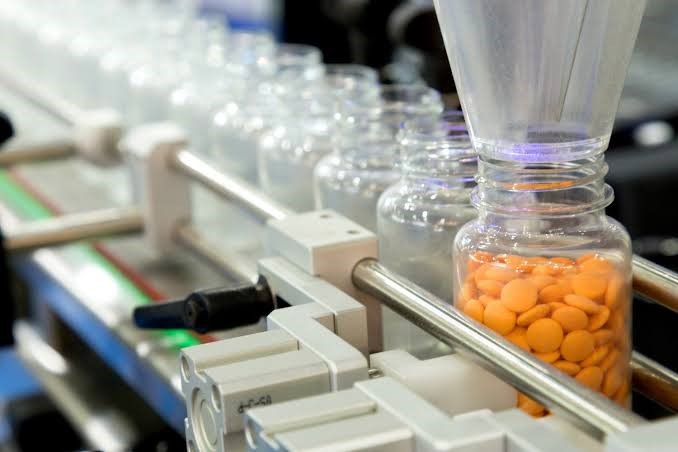
Drug manufacturers don’t just put labels on drugs for nothing or for doctors alone. For instance, how do you know to take Paracetamol when you have a headache?! I hope it’s not mere hearsay but an informed decision/action. We need to be careful at this point, before, a quack doctor or a mistake would mean the end, and we don’t pray for that either. Yes! Medical terms can be a headache when it comes to understanding them, but that shouldn’t worry or discourage you, details you ought to know are usually written primarily in plain English in a separate piece of paper that comes with the drug or sometimes on the drug itself, such as liquid medicines. There are some of us who check the expiry date of every packaged food we eat.
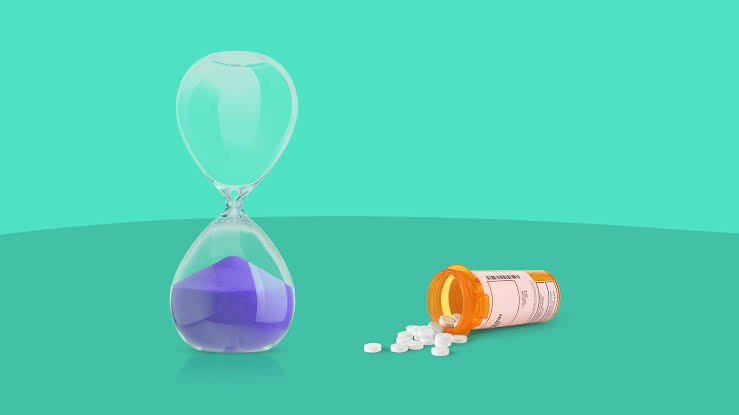
If you are one of such, kudos. Expiry dates are another thing to look out for on your drug labels, in fact, you shouldn’t accept any drug that doesn’t have an expiry date on it. If it’s something we do for the food we eat, why not for your medications too. I want to believe that I have been able to scare you enough or motivate you enough to read your drug labels before taking them. Cheers
Conclusion
Medical labels on prescriptions are more than routine information; they are essential safety tools designed to protect patients. By carefully reading and following prescription labels, individuals can avoid dangerous medication errors, improve treatment effectiveness, and safeguard their well-being. Developing the habit of checking medical labels before taking any medication is a simple yet powerful step toward better health and personal safety.
In this article, we have discussed how looking out for medical labels on prescriptions is very important.
P.S. Rumor has it that Michael Jackson died of misdiagnosis, so it could happen to anyone.
So let us know what you think? Do you think always looking out for label descriptions is a good thing, or should we all leave that to the medical practitioners? Have you had any dire experiences you would love to share? Let us know in the comment section below.