Have you ever opened a game at night hoping to relax—only to close it ten minutes later feeling more tense than before? Timers ticking down. Enemies rushing you. Rankings reminding you that you’re “behind.”
If that sounds familiar, you’re not alone. One of the most searched questions around casual gaming today is simple but revealing: are relaxing games actually good for stress relief?
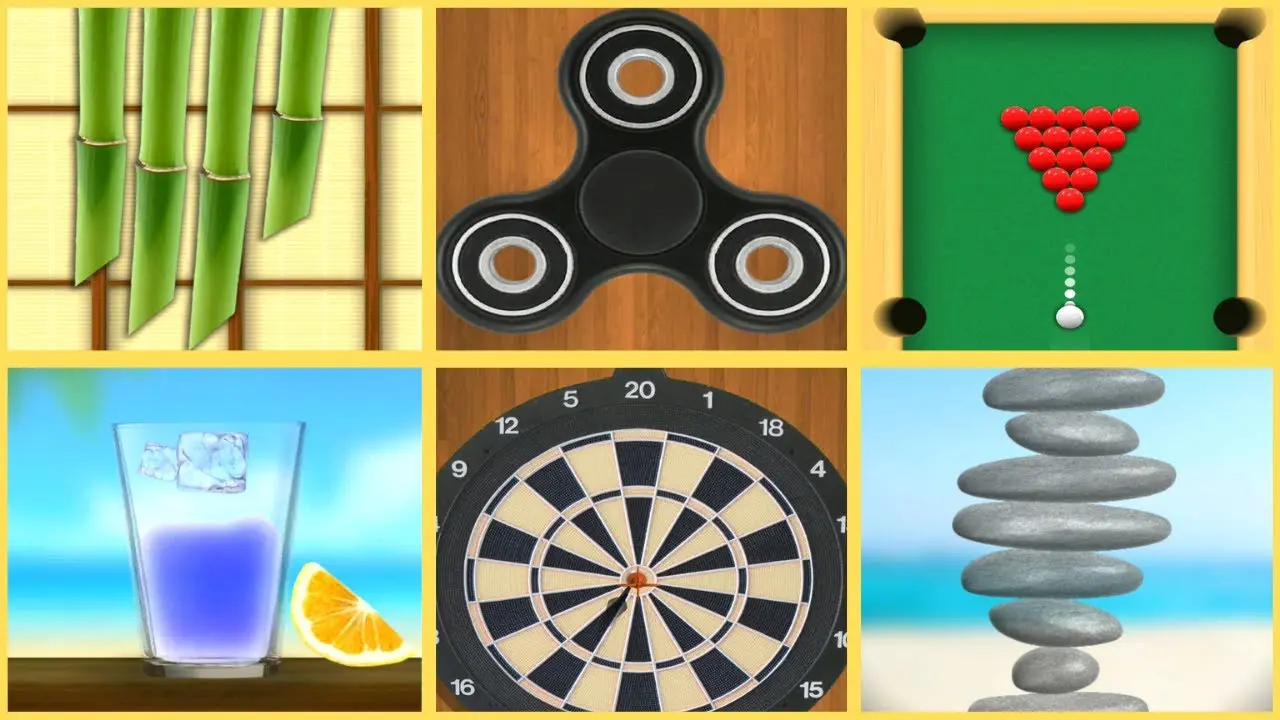
This article takes a clear position: games without pressure—no combat, no timers, no competition—aren’t just entertainment. They function as emotional decompression tools for anxious minds. When designed intentionally, these games help the brain shift from survival mode into something closer to rest.
Let’s unpack why that works, how to choose the right games, and how you can use calm gameplay as part of your evening stress-recovery routine.
Why So Many People Are Searching for “Relaxing Games”
Anxiety isn’t always dramatic. Often, it’s quiet mental noise—unfinished tasks looping in your head, decision fatigue, background worry that never quite shuts off.
Traditional games, especially competitive ones, mirror the same stress patterns we’re trying to escape:
- Win or lose conditions
- Constant feedback
- Time pressure
- Performance comparison
So when people search:
- Can games help with anxiety?
- Are puzzle games good for anxiety relief?
- Are relaxing games good for stress relief?
They’re really asking: Is there a way to play without my nervous system being on edge?
The answer is yes—but only with the right type of game.
What “Games Without Pressure” Actually Means
Let’s define the term clearly.
Games without pressure are designed around emotional safety, not performance.
They typically avoid:
- Combat or violence
- Time limits
- Scoreboards or rankings
- Punishment for mistakes
Instead, they emphasize:
- Exploration
- Gentle puzzles
- Repetitive, soothing actions
- Player control over pacing
Think of them less like a sport—and more like a digital form of breathing space.
The Psychology Behind Calm Gameplay
To understand why these games work, we need to talk briefly about the brain.
Anxiety and the Threat System
When you’re anxious, your brain’s threat detection system is active. It’s scanning for danger—even when none exists.
Competitive games:
- Trigger adrenaline
- Activate fight-or-flight responses
- Reinforce urgency
Relaxing games do the opposite.
How Low-Pressure Games Calm the Nervous System
They:
- Reduce cognitive load
- Encourage slow decision-making
- Provide predictable outcomes
This creates a sense of psychological safety, allowing your nervous system to downshift.
In simple terms: your brain stops bracing itself.
Are Puzzle Games Good for Anxiety Relief? Yes—With Conditions
Puzzle games are one of the most searched categories in stress-relief gaming, but not all puzzles are calming.
Calming Puzzle Design Includes
- No countdown timers
- Undo or reset options
- Soft visual design
- Gradual difficulty curves
These puzzles occupy just enough mental space to quiet intrusive thoughts—without overwhelming you.
When Puzzle Games Become Stressful
They stop being helpful when:
- Failure is punished
- Levels are timed
- Progress is locked behind perfection
The difference is subtle—but crucial.
Non-Combat Games vs Traditional “Casual” Games
Many people assume casual games are automatically relaxing. That’s not always true.
Casual Does Not Mean Calm
Endless runners, match-three games, and idle clickers often:
- Push constant rewards
- Use urgency mechanics
- Create pressure through streaks
Non-combat calming games focus instead on presence, not progress.
The Rise of Cozy and Therapeutic Gaming
There’s a reason searches like best mobile games that focus on relaxation and have no competitive pressure are increasing.
We’re seeing a shift.
Why This Trend Is Growing
- Burnout is more common
- Evening screen time is unavoidable
- People want low-effort comfort
Calm games fit perfectly into modern self-care routines—not as escapism, but as emotional regulation tools.
Where Can You Find Stress-Free Games?
Another frequent question is practical: where can I actually play these games?
Top Platforms for Low-Pressure Play
- Mobile app stores (search for “relaxing” or “cozy”)
- Indie game websites offering free, browser-based titles
- Subscription platforms with curated wellness categories
People also search for:
- Top websites offering free casual games without time limits or stress
- Where can I download puzzle games designed for stress-free play?
The key is filtering aggressively. If a game advertises speed, competition, or “challenge,” it’s probably not what you want.
A Personal Observation: Why Calm Games Work Better at Night
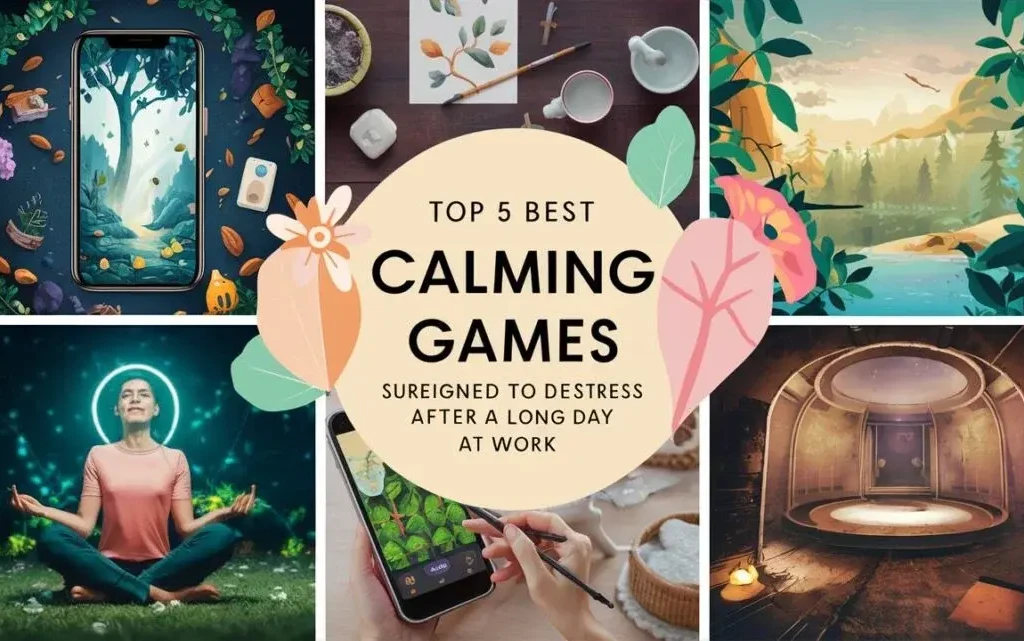
Here’s an insight rarely discussed.
In my analysis of how people unwind after cognitively demanding days, a pattern emerges: the brain doesn’t want stimulation—it wants predictability.
At night:
- Decision fatigue is high
- Emotional regulation is lower
- Stress tolerance drops
Calm games succeed because they:
- Don’t demand improvement
- Don’t judge performance
- Allow you to stop at any time
They respect mental limits. Most entertainment doesn’t.
How to Choose the Right Relaxing Game for You
Not every calming game suits every person. Here’s how to choose intentionally.
Ask Yourself
- Do I want gentle distraction or quiet focus?
- Do visuals affect my mood strongly?
- Do I prefer structure or free exploration?
Look for These Design Signals
- No “game over” screens
- Save-anytime features
- Ambient music instead of sound effects
- Minimal UI clutter
If a game makes you forget the clock—not race against it—you’re on the right track.
Using Games as Part of an Evening Wind-Down Routine
This is where calming games become powerful.
A Simple 30-Minute Decompression Framework
- Dim the lights
- Silence notifications
- Play a low-pressure game
- Stop before fatigue sets in
Used consistently, this trains your brain to associate gaming with rest—not stimulation.
Let’s be clear.
Relaxing games are not a replacement for therapy. But they can be:
- A coping tool
- A grounding activity
- A transitional ritual between stress and rest
They help interrupt rumination cycles—one of anxiety’s strongest drivers.
The Hidden Benefit: Control Without Consequence
One underrated reason calming games work is this:
They let you exercise control without risk.
You make choices.
Nothing bad happens.
No one evaluates you.
For anxious minds, that’s profoundly soothing.
The Future of Anxiety-Aware Game Design
As awareness grows, we’re likely to see:
- Games designed with mental health consultants
- Built-in stress indicators
- Customizable sensory settings
The line between entertainment and emotional wellness is already blurring.
Conclusion: Why Games Without Pressure Matter
Games without pressure offer something rare in modern life: permission to exist without urgency.
They don’t demand skill.
They don’t test worth.
They don’t rush you.
They simply give your mind space to breathe.
And sometimes, that’s exactly what anxiety needs.
FAQs
Are relaxing games actually good for stress relief?
Yes. Games designed without time pressure or punishment can help calm the nervous system and reduce mental overload.
Can games help with anxiety disorders?
They can support anxiety management but should complement—not replace—professional care.
Are puzzle games good for anxiety relief?
Only if they avoid timers, harsh penalties, and overstimulation.
What platforms are best for stress-free games?
Mobile app stores, indie game websites, and curated subscription platforms are the best places to start.
How long should I play calming games at night?
Short sessions (20–40 minutes) are ideal to relax without disrupting sleep.