Electricity supply remains a major concern for many Nigerian households and businesses. Between rising fuel prices, generator maintenance and unreliable grid power, more people are considering solar energy as a long-term alternative. However, one important question comes up before making the switch: What is the cost of solar installation in Nigeria?
The answer depends on your electricity consumption, system capacity, battery type and installation requirements. In this guide, we explore typical solar installation prices, the components involved and what to consider before investing in a solar system.
How Much Does Solar Installation Cost in Nigeria?
Solar installation prices vary depending on the size and quality of the equipment. A small system designed for lighting, fans and television will cost considerably less than one capable of powering refrigerators, freezers and air conditioners.
Based on published Nigerian 2026 price guides, indicative installed costs include:
| Solar system size | Estimated installation cost |
|---|---|
| Small 1kW system | ₦1.2m–₦2m |
| 2kW system | ₦2.2m–₦3.5m |
| 3–4kW system | ₦3.8m–₦6.5m |
| 6–8kW system | ₦8m–₦14m |
| 15–30kW commercial system | ₦20m and above |
These are indicative market estimates, not fixed quotations. Equipment brands, battery storage, location and installation complexity can significantly affect the final price.
For example, a complete 5kVA residential installation can fall within approximately ₦2.5 million to ₦6.5 million, depending on its specifications. A 5kVA inverter alone is not equivalent to a complete solar installation.
What Determines the Cost of Solar Installation in Nigeria?
Understanding the major components helps you know where your money goes and how to compare installation quotations.
1. Solar Panels
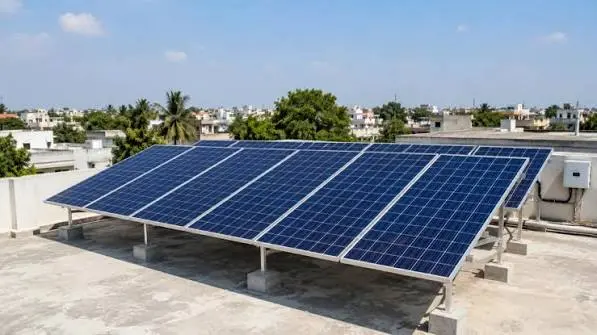
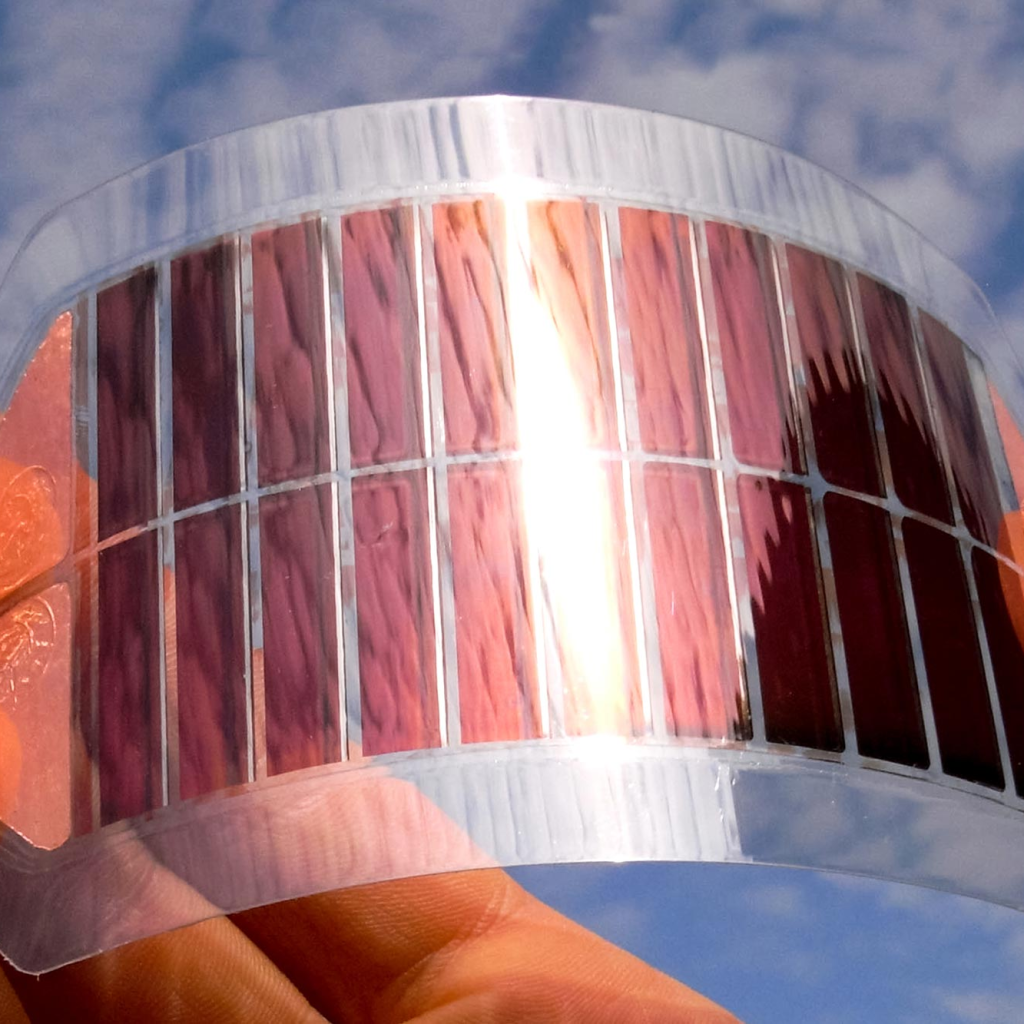
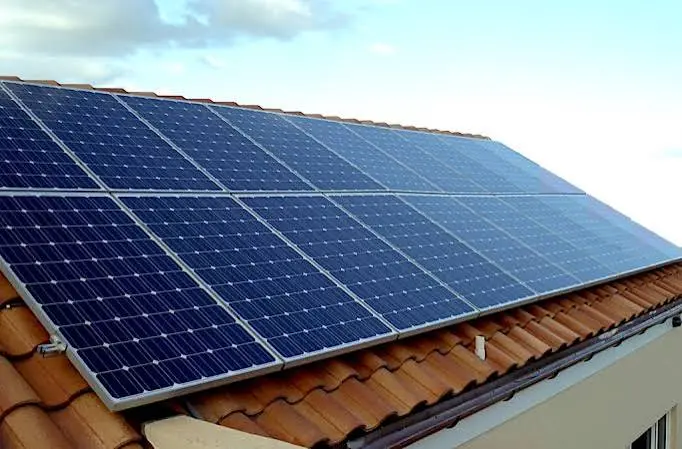
Solar panels convert sunlight into electricity. Their combined wattage determines how much power your system can generate during daylight hours.
In Nigeria, monocrystalline panels are a popular option because of their efficiency and relatively compact installation requirements. However, the number of panels required depends on your energy consumption and available roof space.
A larger panel array generally increases the initial installation cost but can improve daytime electricity generation.
2. Solar Inverter
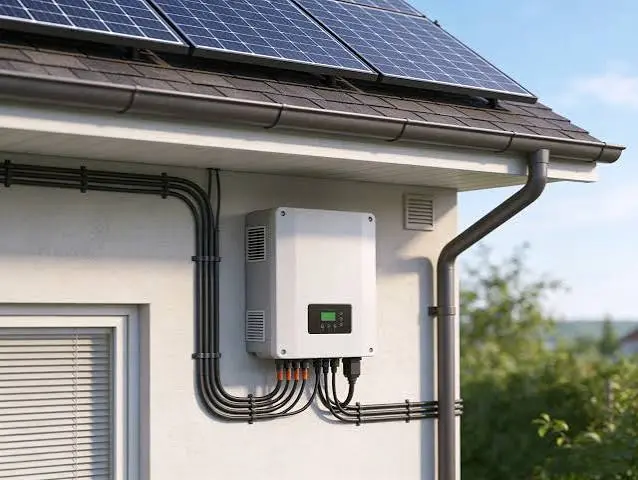
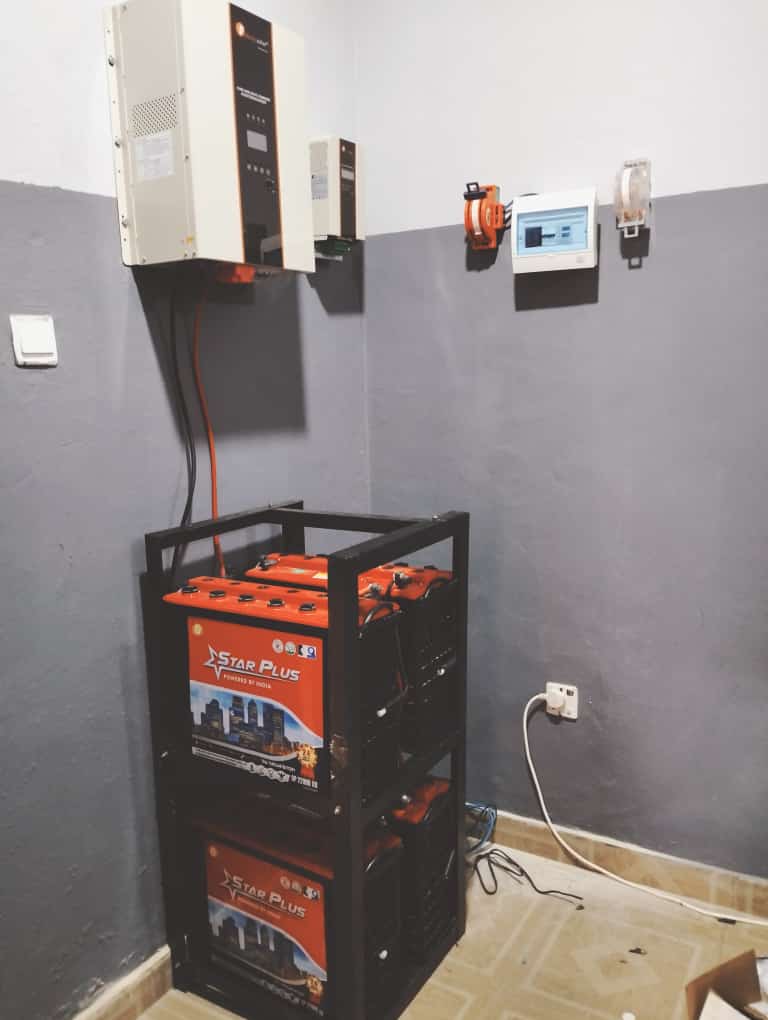
The inverter converts electricity generated by solar panels or stored in batteries into usable AC power for household appliances.
Common residential options include 3.5kVA, 5kVA and 10kVA systems. Your choice should depend on the appliances you intend to operate simultaneously.
Remember that inverter capacity determines how much power can be supplied at once, not how long your battery will last.
3. Solar Batteries
Batteries store electricity for use at night or when sunlight is insufficient. They are among the biggest contributors to the overall cost of solar installation.
Lithium batteries generally cost more initially but offer longer service life and greater usable capacity than traditional lead-acid batteries.
Your required battery capacity depends on how many appliances you want to power and how many hours of backup you need.
4. Installation Materials and Labour
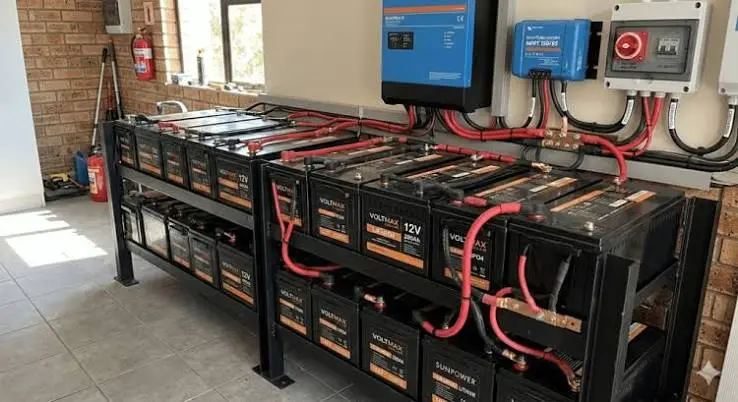
A complete installation also requires mounting structures, electrical cables, connectors, circuit breakers, surge protection and proper earthing.
Professional labour costs vary according to system size, roof structure, wiring requirements and installation location.
Choosing an experienced installer is important because poor wiring or inadequate protection can damage equipment and create safety risks.
How Much Solar Capacity Does Your Home Need?
The right system depends on your actual electricity consumption rather than the size of your building alone.
For example:
- Small apartments: A modest system can support lighting, fans, televisions, routers and phone charging.
- Family homes: A larger system may be necessary for refrigerators, freezers, multiple televisions and other household appliances.
- Homes with air conditioners: These generally require higher inverter capacity, more solar panels and substantial battery storage.
- Businesses: Offices, shops and commercial facilities may need larger systems depending on their operating hours and equipment.
Before purchasing anything, prepare a list of your appliances, their wattage and estimated daily usage. A professional installer can use this information to calculate your required inverter capacity, battery storage and panel output.
Is Solar Installation Worth the Investment in Nigeria?
Although the initial cost can be substantial, solar energy offers several long-term benefits.
First, it reduces dependence on petrol and diesel generators, helping households avoid recurring fuel expenses. It also provides quieter operation, eliminates generator exhaust and reduces the inconvenience of frequent fuel purchases.
Furthermore, a properly designed solar system can provide more predictable electricity for homes and businesses.
However, solar is not entirely maintenance-free. Batteries eventually require replacement, panels need occasional cleaning, and electrical connections should be inspected periodically.
The financial benefits will depend on your current electricity and generator expenses, equipment lifespan and the amount of power your solar system supplies.
How to Choose the Right Solar Installation Company
Before paying for an installation, compare quotations from different providers. Do not make your decision based solely on the cheapest offer.
Ask for a detailed breakdown showing inverter specifications, panel wattage and quantity, battery capacity, installation materials and labour.
Also, confirm the warranty on each major component and ask whether after-installation maintenance is available.
A reliable installer should inspect your property, assess your electricity requirements and recommend a system based on your actual needs. This is why you should choose Smartech!
Frequently Asked Questions
1. How much does it cost to install solar in Nigeria?
Small residential systems can start around ₦1.2 million, while larger installations can cost several millions or more. The final price depends on capacity, batteries, equipment quality and labour.
2. How much does a 5kVA solar system cost in Nigeria?
A complete 5kVA installation can cost approximately ₦2.5 million to ₦6.5 million, depending on battery capacity, panel quantity and equipment specifications.
3. How many solar panels are needed to power a house?
There is no fixed number. It depends on your daily electricity consumption, panel wattage, available sunlight and required charging time.
4. Is lithium better than lead-acid batteries for solar?
Lithium batteries generally offer longer lifespan, faster charging and greater usable capacity. Lead-acid batteries are often cheaper initially but may require more frequent replacement.
5. Can solar power run an air conditioner?
Yes. However, the inverter, solar panels and battery must be properly sized to support the air conditioner’s starting and running power requirements.
Conclusion
The cost of solar installation in Nigeria depends on how much electricity you need, the equipment you choose and the complexity of the installation. Rather than buying the cheapest available package, focus on getting a properly designed system that meets your household or business requirements.
With the right equipment and professional installation, solar energy can provide a dependable alternative to constant generator use while helping you manage long-term electricity expenses.