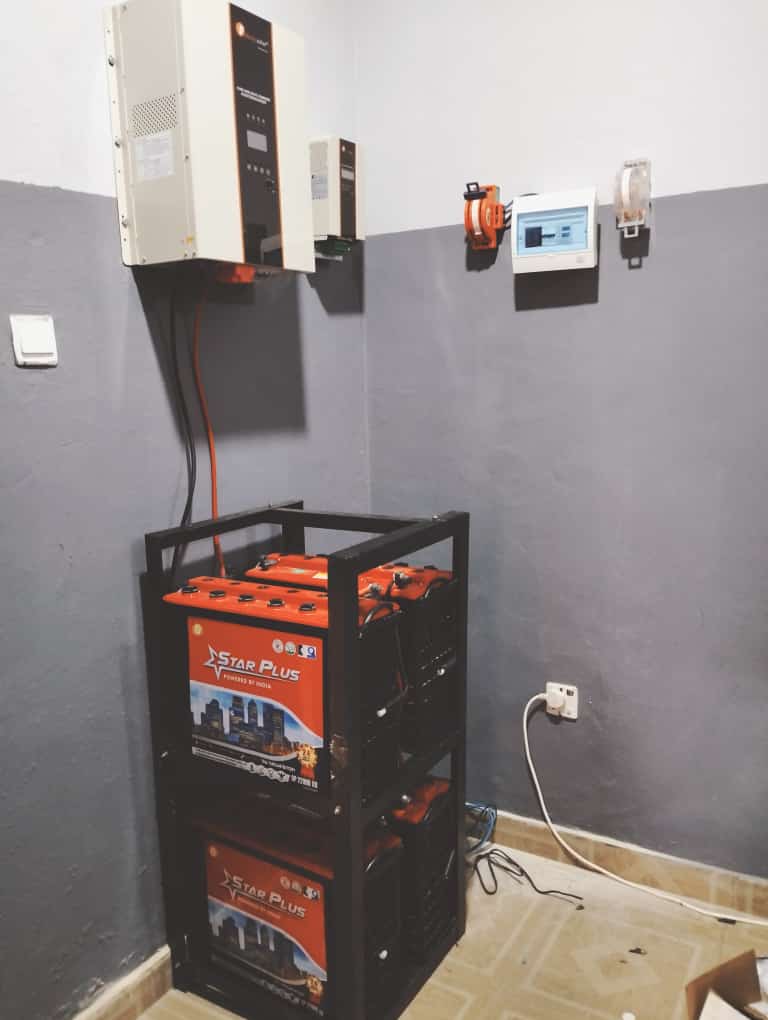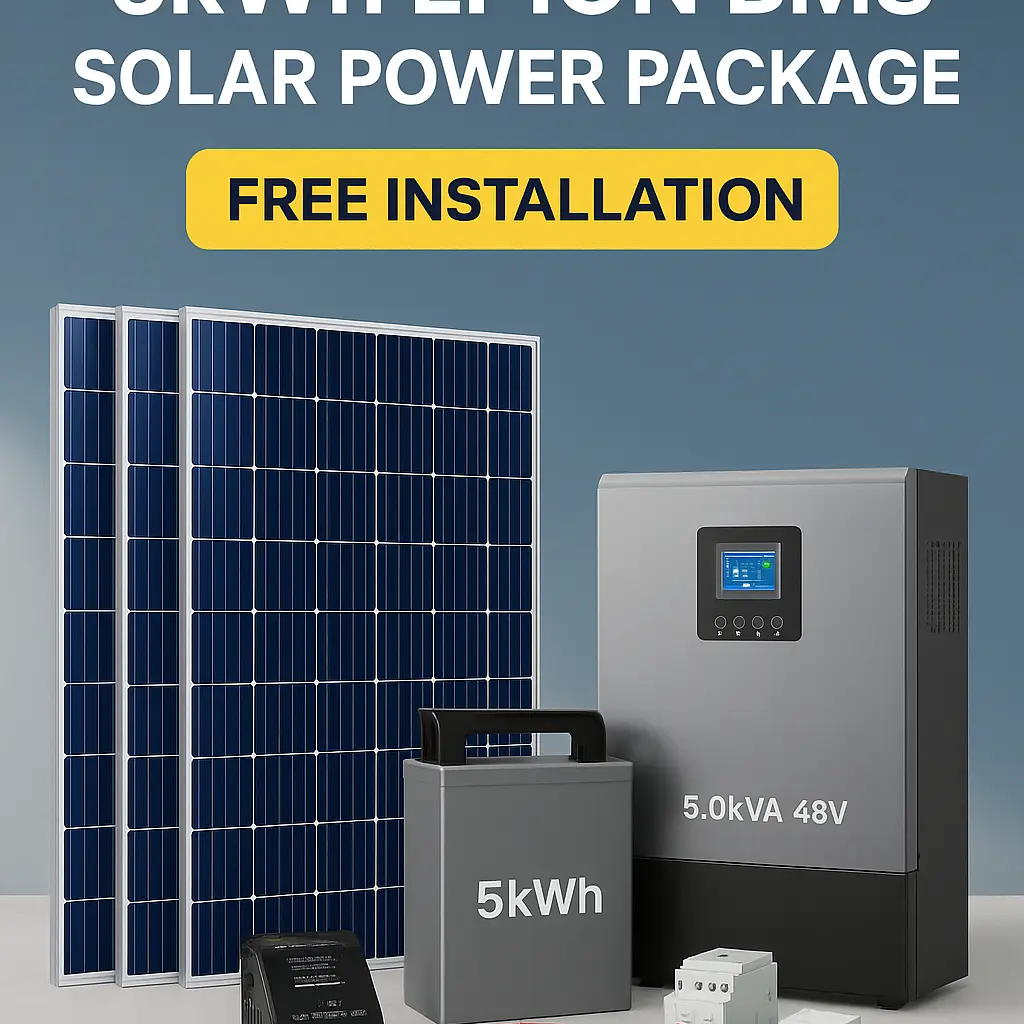
If you are planning to install solar power at home, one of the first questions you will ask is: how much does a 5kVA solar system cost in Nigeria? In 2026, a complete residential system can cost approximately ₦3 million to ₦6 million, although larger battery capacity, premium equipment and complex installations can push the price higher.
The important thing to understand is that a 5kVA inverter is only one part of the system. Your final cost depends on the solar panels, batteries, installation materials and the number of hours you want electricity available after sunset.
How Much Does a 5kVA Solar System Cost in Nigeria in 2026?
For budgeting purposes, these are reasonable indicative price ranges based on published Nigerian supplier listings and price guides. They are estimates, not guaranteed quotations.
| System configuration | Estimated installed cost |
|---|---|
| Basic 5kVA system with tubular batteries | ₦3 million–₦4.5 million |
| 5kVA system with a 5kWh lithium battery | ₦3 million–₦4.5 million |
| 5kVA system with larger lithium storage | ₦4.5 million–₦6 million+ |
Always confirm current prices and exactly what each package includes before making a payment.
What Determines the Cost of a 5kVA Solar System?
A complete installation typically includes the inverter, solar panels, batteries, protective equipment, wiring, mounting structures and labour.
1. The 5kVA solar inverter
The inverter converts electricity from your panels and batteries into usable power for household appliances. A 5kVA hybrid inverter may cost roughly ₦400,000–₦1 million, depending on its features, brand and specifications.
Hybrid models can work with solar panels, batteries and grid electricity. However, check the inverter’s actual output rating, solar input limits and battery compatibility rather than choosing by the kVA number alone.
2. Solar panels
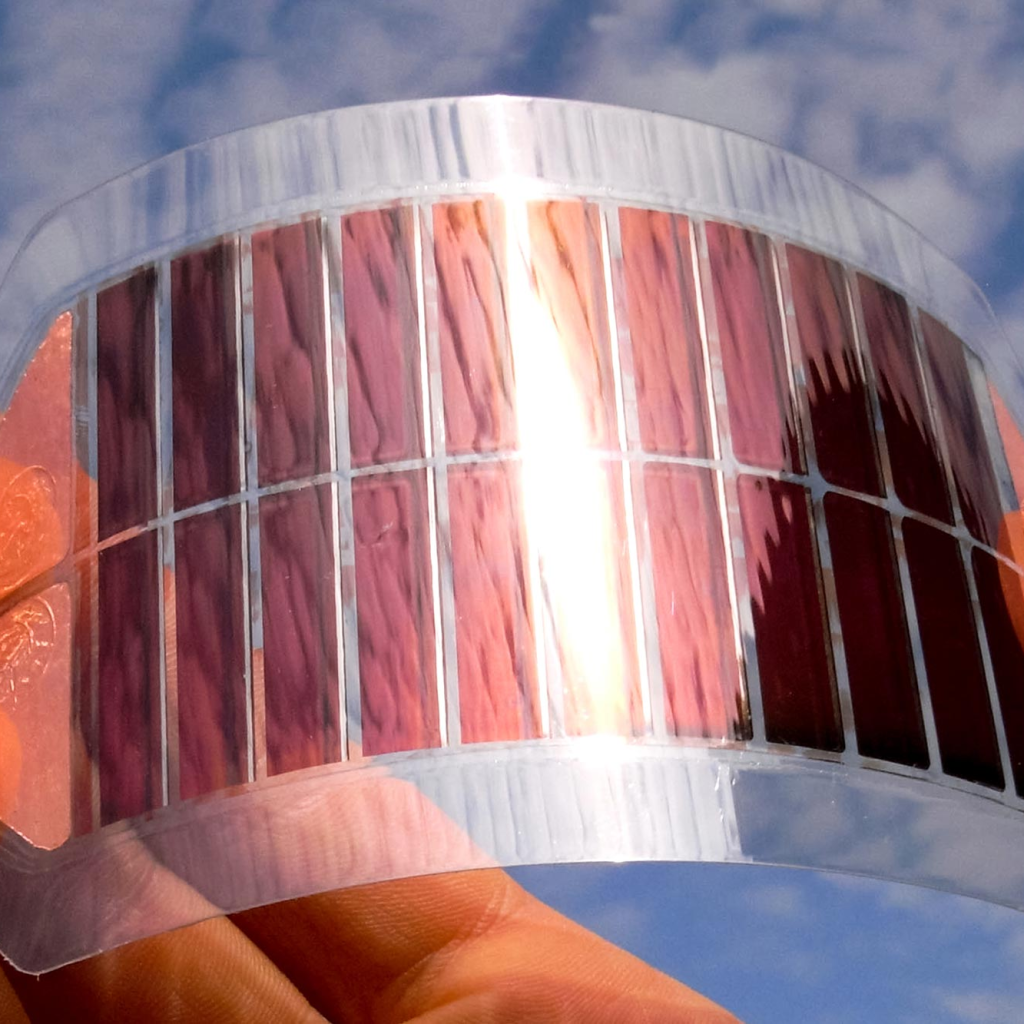
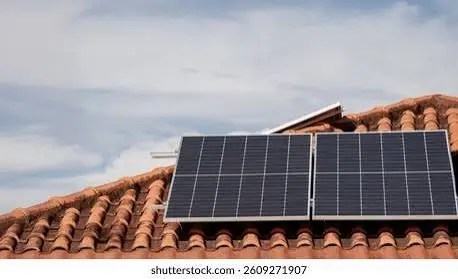
Panels generate electricity during daylight. A typical residential setup might use six to ten panels rated around 500–600 watts each, although the correct number depends on the inverter and your daily energy consumption.
Individual panels can cost approximately ₦100,000–₦170,000 or more, depending on their wattage and quality. Consequently, the panel array may account for a substantial part of your total budget.
3. Batteries
Battery storage is one of the biggest factors affecting the price of a 5kVA solar system in Nigeria.
- Tubular or lead-acid batteries: Generally cheaper upfront, but they usually require more careful charging and shallower discharge to maintain their lifespan.
- Lithium batteries: Typically more expensive initially, but many offer greater usable capacity, deeper discharge and longer cycle life.
A 5kWh lithium battery and a 10kWh battery are not equivalent purchases. The larger battery stores more energy, allowing you to run appliances for longer when the sun is down, assuming the appliances consume the same amount of power.
4. Installation and accessories
Do not budget for equipment alone. Cables, mounting rails, circuit breakers, surge protection, earthing and professional installation all contribute to the final bill.
Roof type, cable distance, electrical upgrades and transport can increase costs. Request an itemised quotation so you can see whether installation and essential safety components are included.
What Can a 5kVA Solar System Power?
A properly designed 5kVA system can support many everyday household appliances, including:
- LED lights and ceiling fans
- Televisions, laptops, routers and phone chargers
- A refrigerator or freezer
- A washing machine or microwave used selectively
- One appropriately sized air conditioner, depending on the total load and available battery capacity
However, 5kVA does not tell you how long the system will run. It describes the inverter’s apparent power rating, not the amount of energy stored in the battery.
Running an air conditioner, freezer, water pump and several other appliances together may exceed the system’s practical capacity. High-power appliances such as electric cookers and water heaters can also consume stored energy quickly.
Before buying, list your appliances, their wattage and the hours you use them daily. An installer can use this information to estimate your panel and battery requirements.
Is a 5kVA Solar System Enough for a Three-Bedroom Flat?

For many three-bedroom flats, a 5kVA system can be a useful option for reducing dependence on the national grid and petrol or diesel generators. It may support lighting, fans, entertainment devices, refrigeration and limited air-conditioning use.
Nevertheless, household size alone is not enough to determine the right system. A home with several air conditioners and large appliances may need more solar generation, battery storage or a larger inverter.
If your budget is limited, consider starting with essential loads and expanding the system later, provided the inverter and installation are designed to support that expansion.
How to Get the Best Value for Your Money
Before choosing a supplier, compare complete systems rather than inverter prices alone.
- Ask for a component-by-component quotation. Confirm panel wattage and quantity, inverter model, battery capacity, wiring, protection and labour.
- Check the warranty. Understand the coverage for the inverter, panels and battery, including the process for repairs.
- Verify usable battery capacity. Ask how much energy is available for everyday use, not just the battery’s advertised capacity.
- Choose a qualified installer. Correct cable sizing, protective devices and earthing matter for safety and reliable operation.
- Compare at least three quotations. Make sure each supplier is quoting a similar system before judging which is cheaper.
Prices can change with exchange rates, stock availability and supplier pricing. Treat online listings as starting points and request a written quotation based on your location and energy needs.
Frequently Asked Questions
How much is a 5kVA solar inverter alone in Nigeria?
A 5kVA inverter alone may cost around ₦400,000–₦1 million, depending on its brand, features and specifications. This excludes batteries, solar panels and installation.
How many solar panels do I need for a 5kVA inverter?
A system may use approximately six to ten panels rated 500–600W each. The appropriate number depends on the inverter’s solar input specifications, daily electricity use and available sunlight.
How long can a 5kVA solar system last at night?
Runtime depends primarily on usable battery capacity and the appliances running. A larger battery can supply energy for longer, but air conditioners and other high-consumption appliances will shorten runtime.
Is lithium better than tubular batteries for solar?
Lithium batteries often provide more usable energy and longer cycle life, although they cost more upfront. Tubular batteries may suit tighter budgets, but their maintenance and replacement costs should also be considered.
Conclusion
The cost of a 5kVA solar system in Nigeria depends on more than the inverter rating. For a practical starting budget, consider approximately ₦3 million–₦6 million for a complete residential installation, then refine the estimate using your preferred battery capacity, panel configuration and installation requirements.
Compare itemised quotations, check warranties and size the system around your actual electricity consumption. That way, you can choose a system that fits your budget without paying for equipment you do not need—or discovering that your battery cannot power your home for as long as expected.