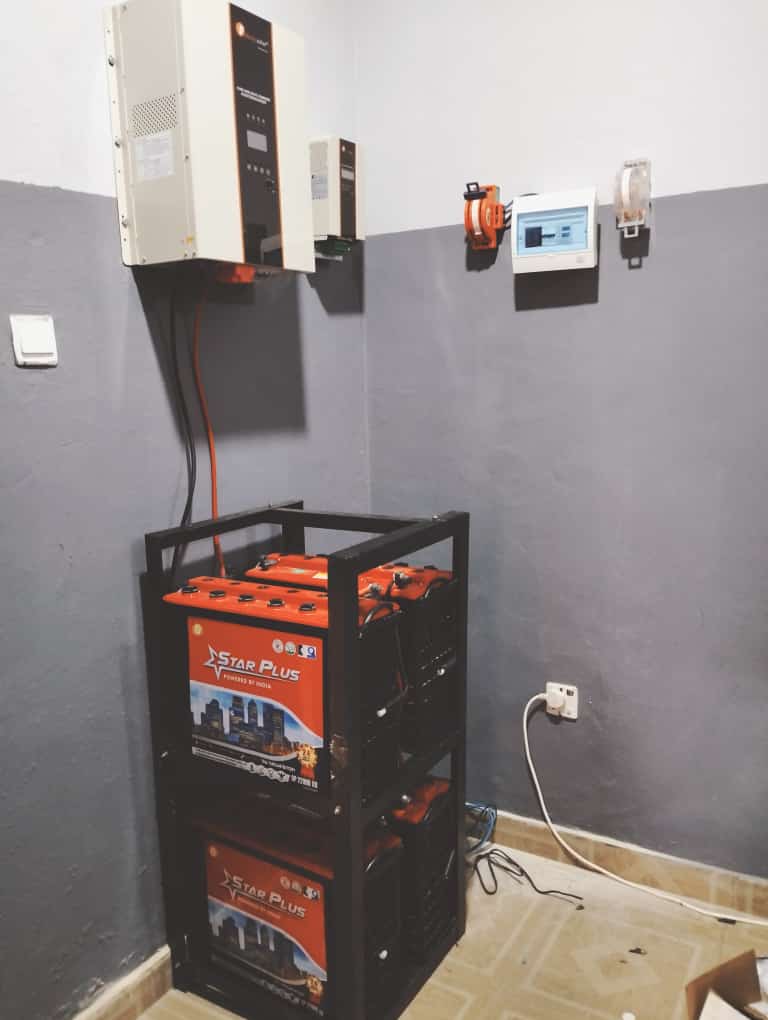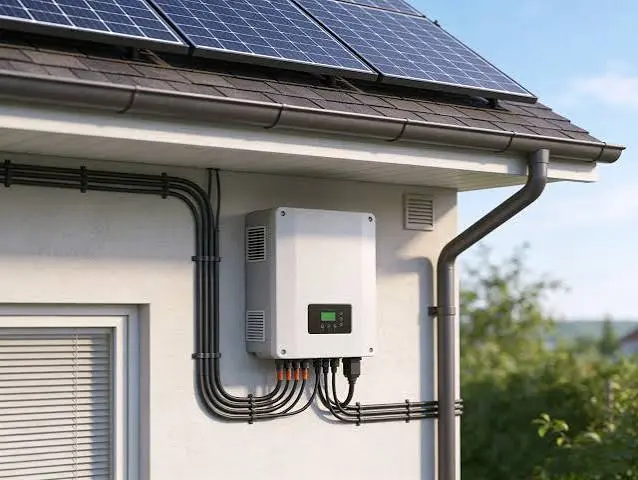
With the rising cost of fuel and unreliable electricity supply in many parts of Nigeria, more homeowners are turning to solar energy for a dependable power supply. However, choosing the right inverter can be confusing, especially when you are trying to decide between a regular inverter and a hybrid inverter.
Understanding the difference between a solar inverter vs hybrid inverter can help you make a better investment, reduce electricity expenses and enjoy more reliable power at home.
Although both systems can provide backup electricity, they differ in how they use solar panels, batteries and grid electricity. So, which is better for Nigerian homes?
What Is a Normal Inverter?
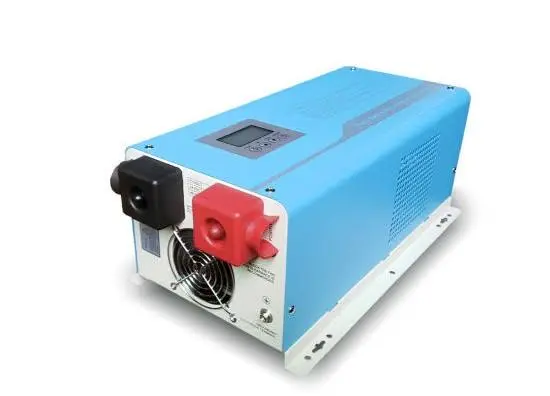
A normal inverter is a device that converts electricity stored in batteries from direct current (DC) to alternating current (AC), which is used by most household appliances.
It typically charges its batteries using electricity from NEPA or a generator. When the power supply goes off, it automatically switches to battery power, allowing you to continue using selected appliances.
A conventional inverter system is suitable for powering lights, televisions, fans, laptops and other essential appliances during power outages.
However, most conventional inverters cannot connect directly to solar panels without an additional solar charge controller. This means you may need extra equipment and wiring if you decide to add solar panels later.
What Is a Hybrid Solar Inverter?
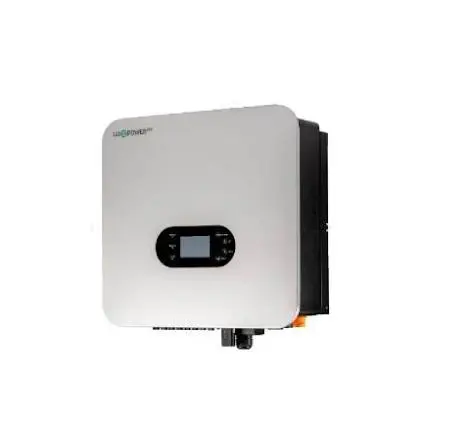
A hybrid inverter combines several power management functions in one device. It can manage electricity from solar panels, batteries and the national grid, depending on the model and configuration.
Unlike a conventional inverter, a hybrid inverter typically has a built-in MPPT solar charge controller, allowing solar panels to connect directly to it.
During the day, solar energy can power your appliances and charge your batteries. When solar production is insufficient, the inverter can draw electricity from the battery or grid, depending on your settings.
This flexibility makes hybrid inverters particularly useful for Nigerian households experiencing frequent power outages.
Solar Inverter vs Hybrid Inverter: Key Differences
Although both inverter systems can provide backup power, their features and capabilities differ.
Solar panel compatibility: A conventional inverter usually requires an external solar charge controller to work with solar panels. A hybrid inverter typically has an integrated MPPT controller, making solar integration easier.
Energy management: A normal inverter mainly relies on battery power during outages. A hybrid inverter can intelligently manage solar, battery and grid electricity based on available power and user settings.
Installation: Conventional inverter systems may require additional components when solar panels are introduced. Hybrid systems generally offer a more straightforward solar installation because several functions are integrated into one unit.
Cost: A conventional inverter may have a lower initial purchase price. However, adding a solar charge controller and other equipment can increase the overall cost. Hybrid inverters may cost more upfront but offer greater flexibility.
Future expansion: A conventional inverter may require additional equipment to support solar energy. A hybrid inverter is generally easier to integrate into a solar system, provided its specifications support the planned expansion.
Which Inverter Is Better for Nigerian Homes?
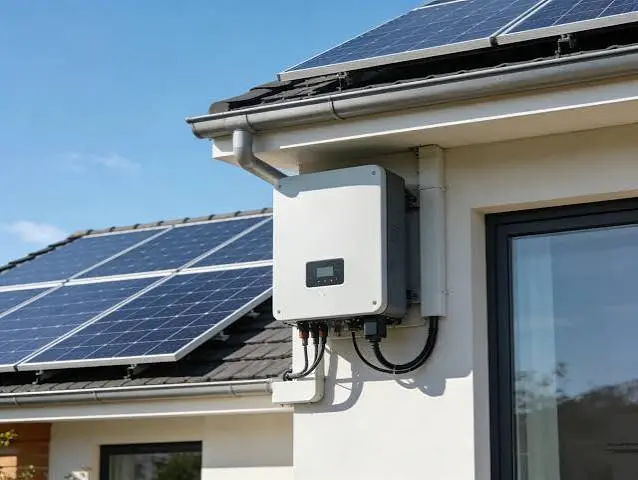
For most Nigerian households planning a new solar installation, a hybrid inverter is the better long-term investment.
Nigeria’s electricity supply can be unpredictable, and many homeowners want to reduce their dependence on generators and grid electricity. A hybrid inverter allows you to use solar energy during the day while storing excess electricity in batteries for later use.
For example, during sunny periods, your solar panels can power your refrigerator, television, fans and other appliances while charging your battery. When NEPA goes off, your system can continue supplying electricity using stored energy.
However, a conventional inverter remains a reasonable choice if you only need basic backup power and do not intend to install solar panels.
If your budget is limited, purchasing a conventional inverter may provide an affordable starting point. Nevertheless, consider the additional equipment you may need if you eventually want to convert it into a solar-powered system.
Benefits of Using a Hybrid Inverter in Nigeria
Hybrid inverters offer several advantages for homeowners.
Reduced electricity bills: Solar energy can reduce your reliance on grid electricity, especially when your household consumes significant power during daylight hours.
Less dependence on generators: With properly sized panels and batteries, you can reduce how frequently you use petrol or diesel generators.
Flexible power supply: Hybrid inverters can combine multiple power sources, giving you more flexibility during outages or periods of low solar production.
Better solar integration: Built-in MPPT technology helps optimise solar energy harvesting under varying sunlight conditions.
Room for expansion: Some hybrid inverter models support additional batteries, solar panels or parallel inverter connections, allowing you to expand your system when your energy needs increase.
What Should You Consider Before Buying an Inverter?
Before purchasing an inverter, consider the appliances you want to power, your budget and your daily electricity consumption.
First, calculate the total wattage of the appliances you intend to run simultaneously. This helps determine the inverter capacity you need.
Next, consider battery capacity. A larger battery can provide longer backup time, but the duration depends on your energy consumption and the usable battery capacity.
You should also check the inverter’s solar input capacity, battery compatibility, warranty, surge capability and availability of technical support in Nigeria.
Finally, choose an experienced installer. Poor installation, undersized cables and incorrect configurations can affect performance and safety.
Frequently Asked Questions
Can a normal inverter work with solar panels?
Yes. A conventional inverter can work with solar panels if you install a compatible solar charge controller and configure the system properly.
Is a hybrid inverter better than a normal inverter?
For households planning to use solar energy, a hybrid inverter is generally better because it integrates solar charging and energy management. However, a conventional inverter may be sufficient for basic backup needs.
Can a hybrid inverter work without solar panels?
Yes. Many hybrid inverters can charge batteries from grid electricity or a compatible generator even when solar panels are not installed.
Does a hybrid inverter reduce electricity bills?
Yes, when properly installed and configured, a hybrid inverter can help reduce electricity bills by using solar energy instead of grid power.
Conclusion
When comparing a solar inverter vs hybrid inverter, the better option depends on your household’s energy needs and budget.
A normal inverter is suitable for basic electricity backup, while a hybrid inverter offers greater flexibility, solar integration and long-term energy savings.
For most Nigerian homeowners planning to invest in solar energy, a hybrid inverter is a more practical choice. It allows you to take advantage of sunlight, reduce generator usage and enjoy a more reliable electricity supply.