Is There Really an AI That Can Handle Automating Technical Documentation Translation?

Have you ever opened a technical manual, engineering specification, or software document and thought, “This will take forever to translate or update”? You’re not alone. For decades, technical translation has been slow, expensive, and heavily dependent on highly specialized professionals until automating technical documentation translation with AI changed everything.
But today, AI-powered technical translation has changed the game completely.
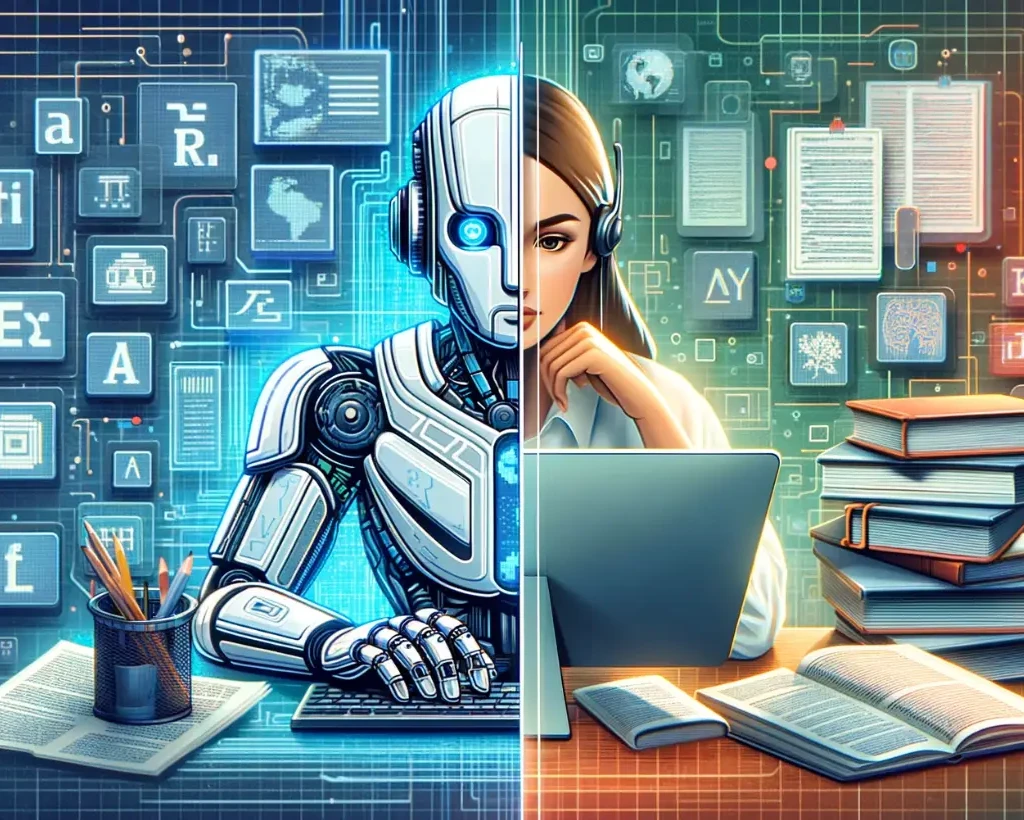
What once required hours—or even days—of professional effort can now be done in minutes using artificial intelligence. And no, this isn’t about cutting corners. It’s about using smarter tools that understand technical language, context, and structure in ways traditional translation workflows never could.
In this guide, we’ll explore how AI translates and modernizes technical documentation, where to find the right tools, how automation works, and why—based on real experience—AI is often the smartest first move for technical translation.
What Is Technical Translation Using AI for Automating Technical Documentation Translation?
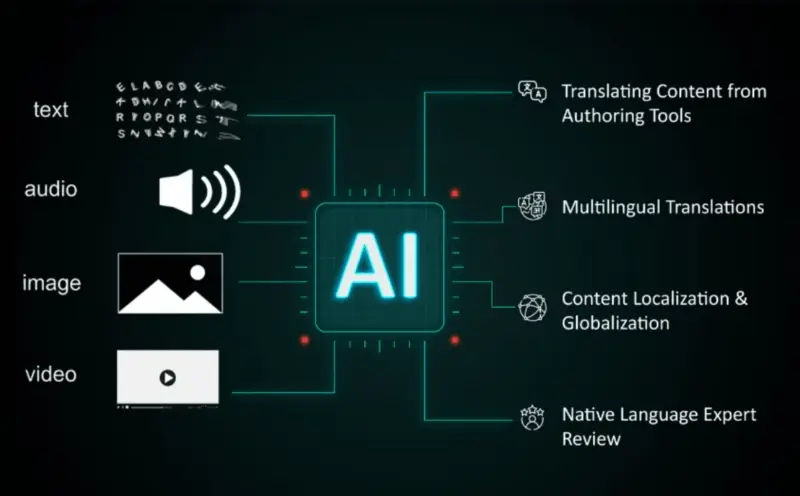
Technical translation involves converting specialized documents—such as manuals, scientific papers, or software guides—from one language to another without losing meaning, precision, or usability, and AI-powered technical translation now makes this process faster and more efficient.
Unlike general translation, technical content:
- Uses industry-specific terminology
- Requires structural accuracy
- Cannot tolerate ambiguity
AI systems trained on technical data sets understand these constraints surprisingly well.
How AI-Powered Technical Translation Actually Works
At its core, AI translation relies on machine learning and natural language processing (NLP).
From Word Matching to Context Understanding
Older tools translated word by word. Modern AI models:
- Analyze full sentences and paragraphs
- Understand technical context
- Preserve formatting, tables, and symbols
Think of it like the difference between a dictionary and an experienced engineer explaining a system.
Is There an AI That Can Translate Documents End-to-End?
Yes—and this is one of the most common questions people ask.
Today’s AI tools can:
- Upload full PDFs, Word files, or Markdown docs
- Translate entire documents at once
- Maintain layout and structure
This makes AI ideal for technical documentation workflows, not just quick translations.
Where to Find AI Tools Specialized in Translating Scientific Papers
Scientific content presents unique challenges: formulas, citations, and academic tone.
What to Look For in Scientific Translation AI
The best tools support:
- PDF and LaTeX formats
- Technical and academic vocabulary
- Consistent terminology across sections
AI doesn’t replace peer review but it dramatically reduces the time needed to make research accessible globally.
Best AI Tools for Translating Complex Technical Manuals
Technical manuals often include:
- Step-by-step procedures
- Warnings and safety notes
- Diagrams and tables
AI excels here because it’s consistent. It doesn’t get tired. It doesn’t skip steps.
Why AI Is Ideal for Manuals
- Repetitive terminology is handled perfectly
- Formatting stays intact
- Updates can be re-translated instantly
This is especially powerful for industries like manufacturing, electronics, and automotive engineering.
Top AI-Powered Translation Services for Software Documentation
Software documentation brings another layer of complexity.
What Makes Software Docs Different
- Code snippets must remain unchanged
- UI terms must stay consistent
- Markdown or HTML structure matters
Advanced AI tools understand this. They translate explanations while leaving code untouched—something human translators often struggle with at scale.
How AI Can Be Used for Documentation Beyond Translation
AI-powered technical translation doesn’t stop at language conversion.
Modernizing Outdated Documentation
AI can:
- Rewrite old manuals in clearer language
- Simplify overly complex explanations
- Adapt content for new audiences
This turns translation into documentation improvement, not just conversion.
How to Automate Technical Document Translation with AI Platforms
Automation is where AI becomes truly transformative.
How Automation Works
AI platforms can connect to:
- Content management systems (CMS)
- Documentation pipelines
- Cloud storage
Once set up:
- New documents are translated automatically
- Updates trigger instant re-translation
- Multiple languages stay synchronized
Translation becomes a background process—not a bottleneck.
Which AI Services Support Translation of Engineering Specifications?
Engineering specifications demand precision.
Why AI Works Well for Engineering Content
AI is excellent at:
- Maintaining numerical accuracy
- Preserving units and measurements
- Handling structured tables
The key is using AI as a first-pass engine, followed by expert validation.
Affordable AI Translation Software for Technical Content
Cost is one of AI’s biggest advantages.
Traditional vs AI Translation
Traditional technical translation:
- High hourly rates
- Long turnaround times
- Costly revisions
AI-powered technical translation:
- Subscription-based pricing
- Near-instant output
- Easy iteration
For startups, researchers, and small teams, AI makes global documentation realistic for the first time.
Comparing AI Solutions for Technical Writing Localization
Localization goes beyond translation.
What Localization Really Means
Localization includes:
- Language
- Regional standards
- Units and regulations
- Cultural expectations
Advanced AI tools now assist with localization by suggesting region-appropriate phrasing and terminology.
Can ChatGPT Do Live or Technical Translation?
This question shows up constantly.
ChatGPT’s Role in Technical Translation
ChatGPT can:
- Translate technical text
- Explain complex terminology
- Rewrite documentation clearly
- Compare translations
While it’s not a full CAT tool, it’s incredibly effective for draft translations and clarity improvements.
Is ChatGPT Better Than Google Translate for Technical Content?
It depends on your goal.
- Google Translate is fast and good for simple text
- ChatGPT understands context, tone, and technical nuance
For technical documentation, context often matters more than speed—giving ChatGPT a clear advantage.
Personal Insight: Why I Believe AI Is the Best Choice for Technical Translation
In my experience, I think using AI for technical translations especially automating technical documentation translation is the best option because it saves time, energy, and cost.
I’ve seen tasks that would take professionals hours completed in minutes with AI—without sacrificing clarity. AI doesn’t replace expertise; it amplifies it.
I see AI as:
A tireless assistant that handles the heavy lifting so humans can focus on accuracy and judgment.
Limitations of AI-Powered Technical Translation (And How to Handle Them)
AI isn’t perfect.
Where AI Can Struggle
- Highly regulated legal language
- Brand-specific terminology
- Context with multiple interpretations
Best Practice
Use AI for:
- First drafts
- Bulk translation
Then apply human review for final validation.
The Future of Technical Documentation Is AI-Assisted
We’re moving toward a world where:
- Documentation updates happen instantly
- Translation is automated
- Knowledge is globally accessible by default
AI-powered technical translation isn’t a trend—it’s the new standard.
Conclusion: Why AI Is the Smartest Way to Translate Technical Documentation
So, is AI the future of technical translation?
Absolutely.
AI allows you to translate faster, spend less, and scale documentation globally without burning out teams or budgets. What used to be slow and expensive is now efficient and accessible.
The real question isn’t “Can AI do this?”
It’s “Why are we still doing it the old way?”
FAQs
FAQ 1: What is AI-powered technical translation?
It is the use of artificial intelligence to translate specialized technical documents while preserving accuracy, structure, and terminology, enabling automating technical documentation translation at scale.
FAQ 2: Can AI fully replace human translators?
No. AI handles speed and scale, while humans ensure precision and compliance.
FAQ 3: Is AI accurate enough for engineering documents?
Yes, especially when combined with expert review.
FAQ 4: Can AI translate entire documents at once?
Yes. Many AI tools support full-document uploads and automation.
FAQ 5: Is AI translation affordable for small teams?
Very. AI significantly reduces costs compared to traditional services.