Introduction
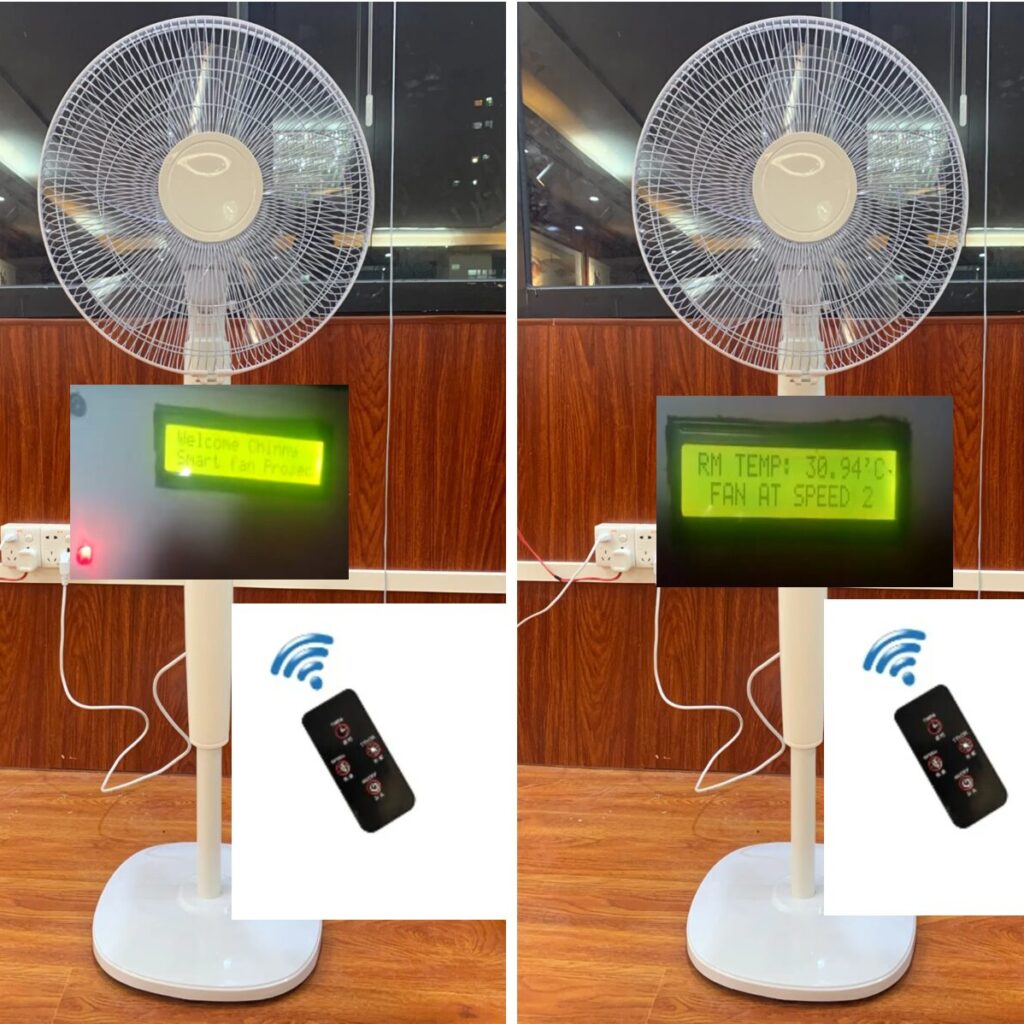
Imagine walking onto a small farm or a nature reserve, where tiny devices quietly collect data on soil moisture, air quality, temperature, and rainfall. These sensors aren’t just gadgets—they’re the eyes and ears of modern farming and environmental monitoring, helping farmers make better decisions and conservationists protect ecosystems. This is the world of the Smart Farming Sensor Setup, a system that blends technical skill with sustainability to optimize farm and environmental management.
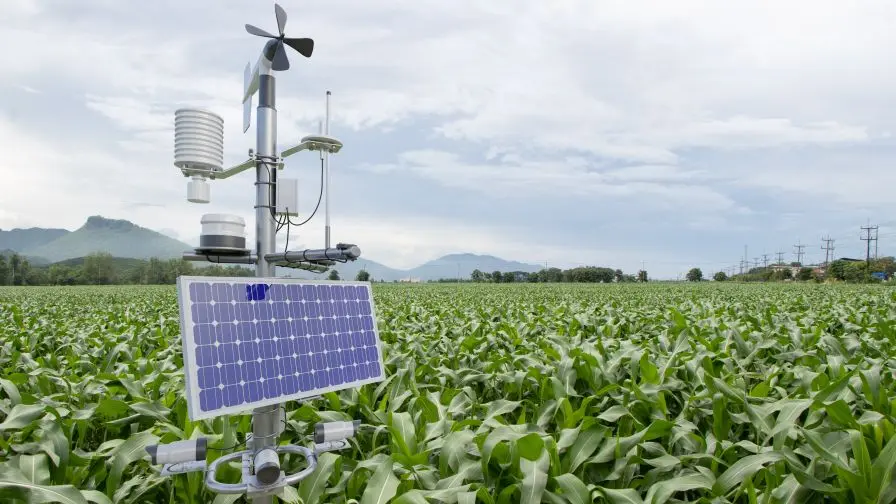
Becoming a sensor network installer allows you to work at the intersection of IoT technology, data science, and environmental stewardship, turning small farms and monitoring projects into smart, data-driven operations.
Who Benefits from Sensor Networks?
Sensor networks are transformative for multiple sectors:
- Small Farms: Track soil moisture, temperature, humidity, and crop growth to optimize irrigation and yield.
- Environmental Projects: Monitor air quality, river levels, wildlife movement, and ecosystem health.
- Research Organizations: Collect precise data for academic or field studies.
- Community Agriculture Initiatives: Local gardens or cooperatives can leverage sensors to maximize efficiency.
In short, anyone looking to make decisions informed by real-time data can benefit from sensor networks.
What Is a Sensor Network and How Does It Work?
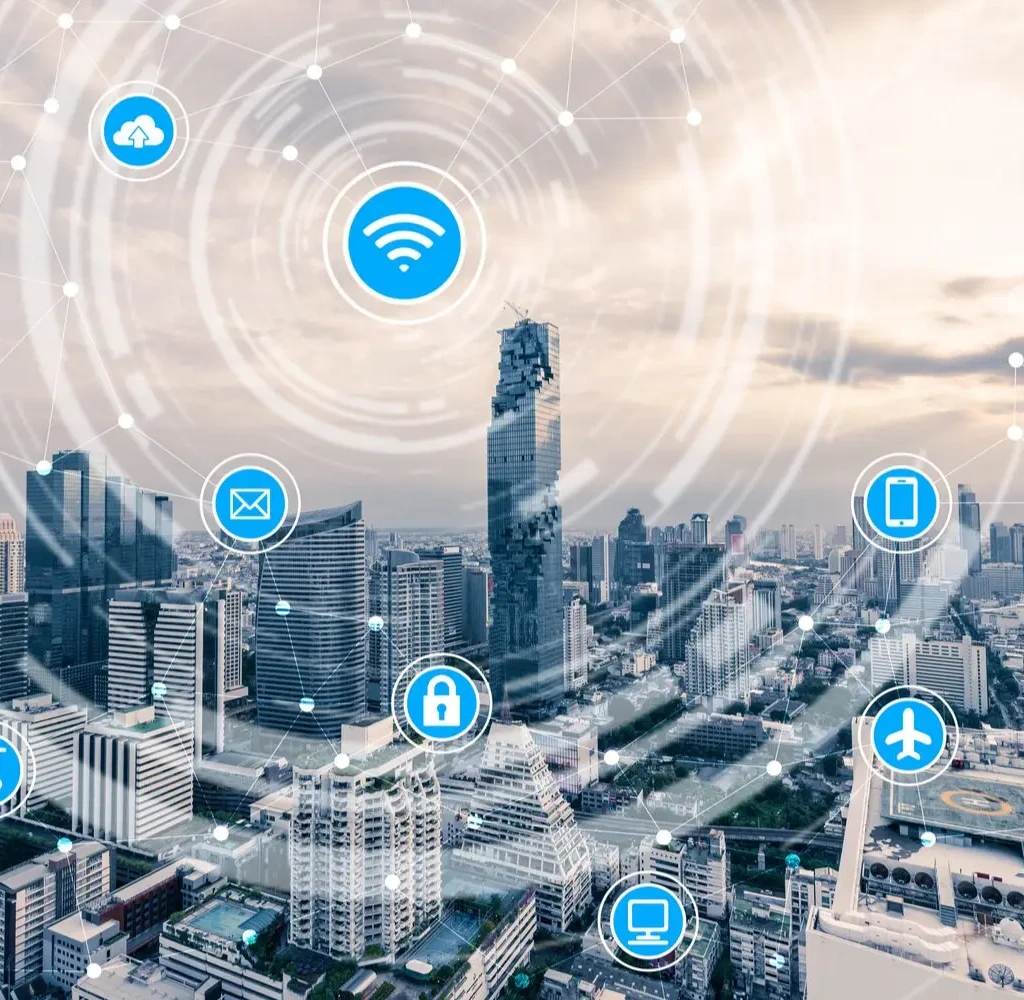
A sensor network consists of distributed devices that collect, transmit, and sometimes process data about their environment. These devices can communicate wirelessly, often using IoT protocols like LoRaWAN, Zigbee, or Wi-Fi, sending information to a centralized system for analysis.
How it works in practice:
- Sensors measure environmental variables (e.g., soil pH, air temperature).
- Nodes transmit data wirelessly or through mesh networks.
- Gateways collect data and relay it to cloud platforms.
- Software dashboards visualize information and trigger alerts or automated responses.
A well-installed sensor network becomes an autonomous intelligence layer, helping users optimize farming operations or environmental stewardship.
Types of Sensors Commonly Used
Different use cases require different sensors. Here are the most popular:
- Soil Sensors: Measure moisture, pH, and nutrients.
- Weather Sensors: Track temperature, rainfall, humidity, and wind.
- Air Quality Sensors: Detect CO2, particulate matter, and pollutants.
- Water Sensors: Monitor river levels, pH, turbidity, and flow rates.
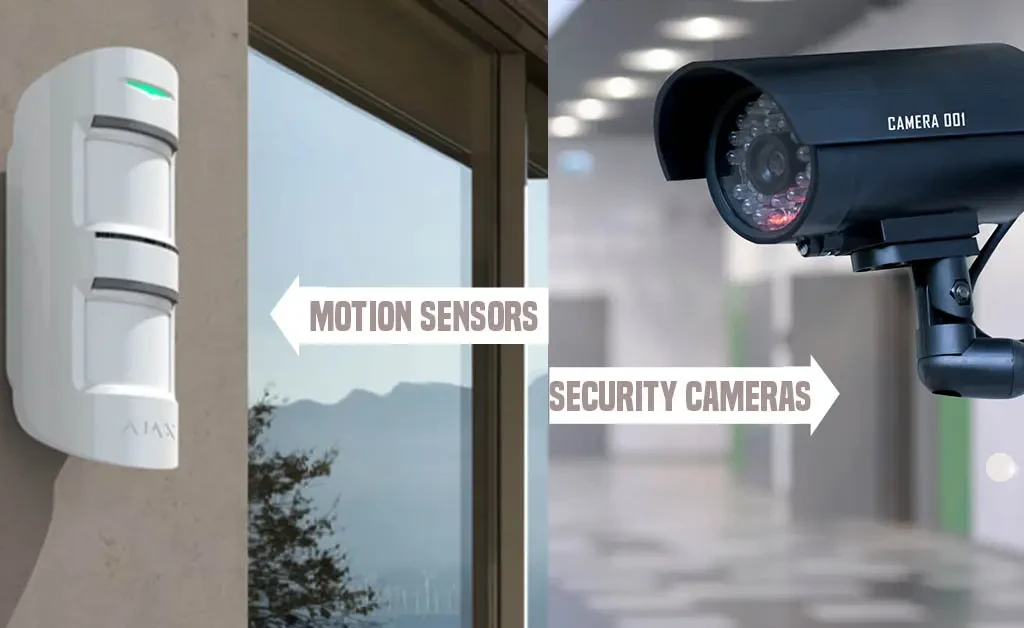
- Camera and Motion Sensors: Track wildlife or security.
For small farms or environmental monitoring, the combination of sensors must balance cost, precision, and ease of maintenance.
Where and When to Install Sensor Networks
Optimal installation locations:
- Small Farms: Near irrigation points, across different soil types, or around crop zones.
- Environmental Projects: Along riverbanks, forests, or protected areas.
- Greenhouses: Even distribution to monitor microclimates.
Timing considerations:
- Best installed before critical planting or seasonal cycles.
- Maintenance and recalibration are needed annually or after major environmental changes.
Proper placement ensures accurate data collection and minimal interference, crucial for decision-making.
Maintenance, Calibration, and Troubleshooting
Even the best sensor network can fail without regular upkeep:
- Calibration: Sensors drift over time and need recalibration to maintain accuracy.
- Firmware Updates: Keep devices updated for security and functionality.
- Battery Replacement: Most field sensors rely on long-life batteries.
- Data Integrity Checks: Periodically verify that collected data is accurate and complete.
A good installer doesn’t just deploy sensors—they provide ongoing support and guidance to ensure data reliability.
How to Become a Sensor Network Installer
Getting started requires a mix of technical knowledge, field experience, and business sense:
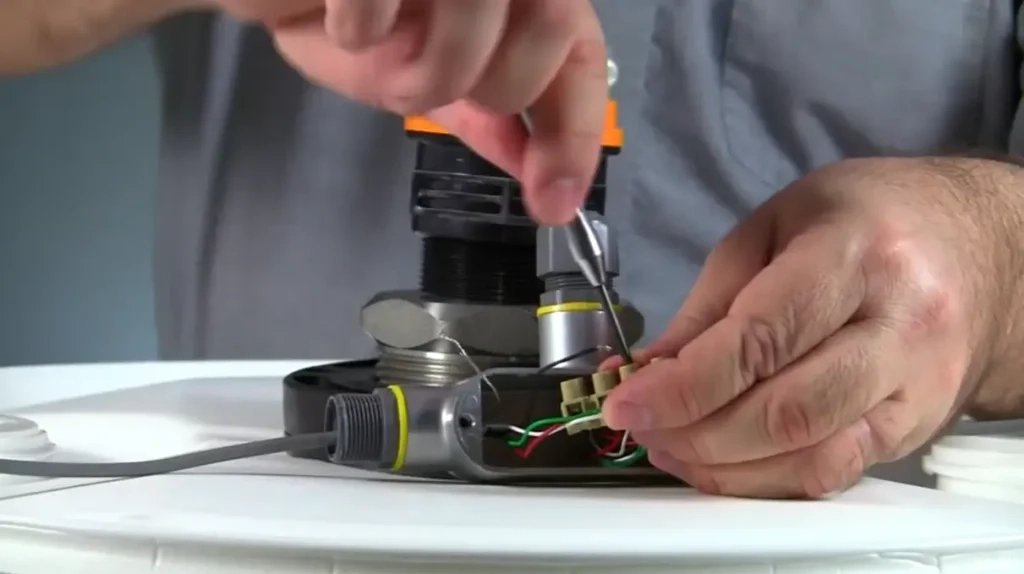
- Learn IoT Basics: Understanding wireless communication, protocols, and cloud platforms is essential.
- Gain Sensor Expertise: Know the types, use cases, and limitations of different sensors.
- Field Experience: Work with farms or environmental projects to understand real-world conditions.
- Certifications: Optional certifications in IoT, electronics, or environmental monitoring can boost credibility.
- Build a Portfolio: Document installations and projects to showcase expertise.
- Network and Find Clients: Partner with local farms, cooperatives, or environmental organizations.
Tools and Software You’ll Need
A professional installer relies on hardware and software tools for success:
- Sensors and Nodes: Soil probes, weather stations, motion detectors.
- Wireless Gateways: LoRa, Zigbee, or Wi-Fi hubs.
- Data Platforms: Cloud dashboards, data visualization, and analytics software.
- Maintenance Tools: Multimeters, calibration kits, battery testers.
These tools help ensure reliable data flow and minimal downtime.
Why Sensor Networks Are Important
Sensor networks provide measurable benefits:
- Data-Driven Decisions: Optimizing irrigation, fertilization, or resource allocation.
- Environmental Protection: Real-time alerts for pollution, flooding, or wildlife disturbance.
- Cost Savings: Reduce waste, improve yields, and prevent overuse of resources.
- Scalability: Networks can grow as farms or projects expand.
By installing sensor networks, you empower clients with actionable insights.
Common Challenges and How to Overcome Them
Even with technology, challenges arise:
- Connectivity Issues: Remote areas may need long-range networks like LoRaWAN.
- Sensor Drift: Regular calibration is essential.
- Power Supply: Solar panels or battery backups can mitigate outages.
- Data Overload: Proper dashboards help interpret large volumes of information.
A skilled installer anticipates these issues and designs networks for robustness and reliability.
My Personal Insight: Practical Applications
In my experience helping small farms adopt IoT solutions, the most successful Smart Farming Sensor Setup installations aren’t just about sensors—they’re about building trust and understanding the environment. Farmers or environmental managers often have local knowledge that guides sensor placement. Merging this human insight with technology creates systems that are accurate, sustainable, and truly actionable.
Think of a sensor network installer as a bridge between raw technology and practical, everyday use—you’re turning invisible data into visible, impactful decisions.
Conclusion: The Future of Sensor Network Installation
Becoming a Smart Farming Sensor Setup installer positions you at the forefront of IoT innovation and sustainability. By combining technical know-how, field experience, and environmental awareness, you can transform farms and conservation projects into smart, data-driven ecosystems.
The key takeaway? Technology alone isn’t enough—the real impact comes when sensors, software, and people work together in harmony.
FAQs
‘FAQ 1: Who installs and maintains sensor networks for small farms?
Technicians or consultants trained in IoT, agriculture, or environmental monitoring install and maintain Smart Farming Sensor Setup networks.
FAQ 2: What types of sensors are most commonly used in farming?
Soil moisture sensors, temperature probes, weather stations, and irrigation monitoring sensors are common.
FAQ 3: Why do some sensor networks fail?
Failures often result from poor placement, lack of calibration, connectivity issues, or inadequate maintenance.
FAQ 4: When should farms implement a sensor network?
Ideally before planting or major seasonal cycles and after assessing resource needs and environmental conditions.
FAQ 5: Where can installers find clients or resources?
Local farms, agricultural cooperatives, environmental NGOs, online IoT communities, and training workshops.