Remote work setup 2025 is no longer about having a laptop, Wi-Fi, and a quiet room. In 2025, remote work has evolved into a system—part technology, part psychology, part operational discipline. The most common question people ask today is simple: what does a high-performing remote work setup actually require now? The short answer is this: not more tools, but better alignment between tools, habits, and outcomes.
This article argues that the best remote workers in 2025 are not defined by where they work, but by how intentionally their work environment is designed. By synthesizing current search behavior, emerging trends, and pattern analysis from modern remote teams, we’ll build a practical, future-proof framework you can actually apply.
The Evolution of Remote Work Leading Into 2025
From Emergency Remote Work to Engineered Systems
Remote work began as a contingency. What started as an emergency response slowly matured into a viable long-term model. By 2025, the conversation has shifted away from whether remote work works, and toward how well it is designed.

The difference matters. Early setups were reactive. Modern remote work setups are engineered with intention, performance metrics, and sustainability in mind.
Why 2025 Is a Turning Point
In 2025, organizations expect remote workers to operate with autonomy, reliability, and consistency. At the same time, workers expect flexibility without sacrificing career growth. This mutual expectation raises the bar for what a “good” setup means.
What Makes a Good Remote Worker in 2025
Beyond Skills: Systems Thinking
A good remote worker in 2025 is not just skilled; they are system-aware. They understand that productivity emerges from repeatable processes rather than bursts of motivation.
This means designing workflows that reduce friction, decision fatigue, and unnecessary communication loops.
Ownership and Asynchronous Maturity
High-performing remote workers assume ownership by default. They document decisions, communicate asynchronously, and optimize for clarity. Their setup supports this behavior instead of fighting it.
Remote Work Setup 2025 Checklist: The Foundational Layer
Core Hardware Requirements
- Reliable primary laptop or desktop with headroom for multitasking
- Secondary monitor for cognitive offloading
- Noise-isolating headphones with clear microphone
- Ergonomic chair and desk configuration
Hardware in a remote work setup 2025 is not about luxury. It is about reducing physical and cognitive strain over long horizons.
Connectivity and Power Resilience
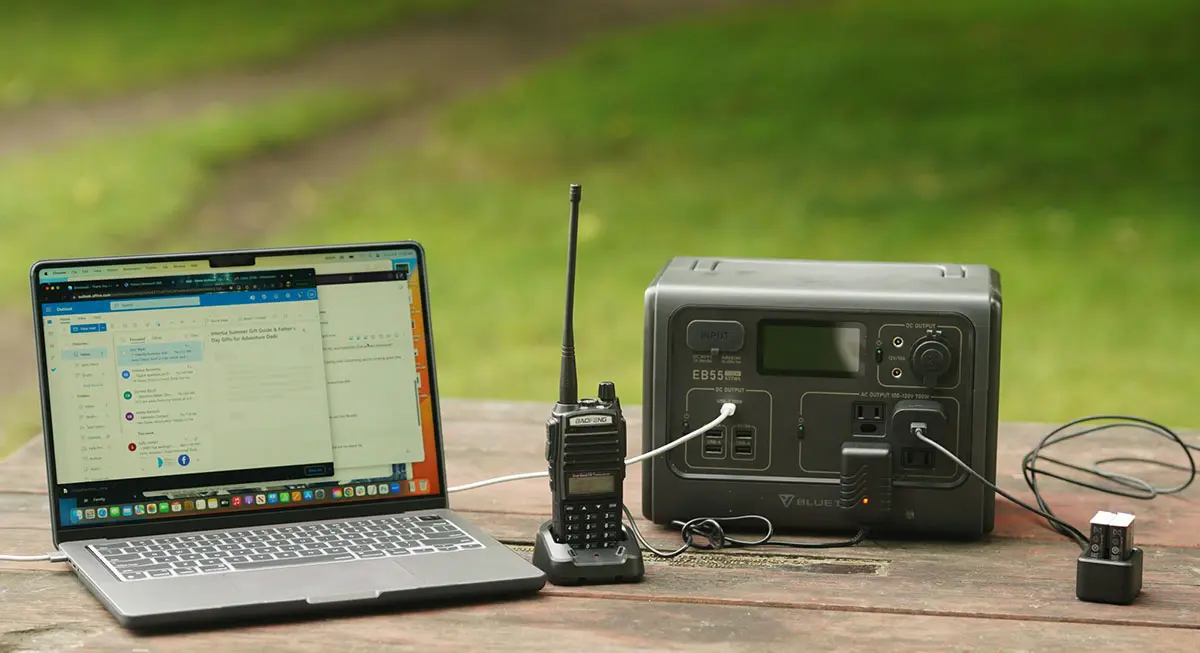
Stable internet is assumed in 2025. What differentiates professionals is redundancy. Backup internet options and power continuity separate reliable contributors from risky ones.
Software Stack: Tools and Equipment That Actually Matter
Communication and Collaboration Tools
The modern remote work setup 2025 prioritizes fewer tools used well over many tools used poorly. Email, chat, video, and documentation platforms must integrate seamlessly.
Asynchronous-first tools reduce meeting overload and protect deep work.
Task and Knowledge Management
High performers externalize memory. Task managers, shared documents, and knowledge bases act as extensions of the mind, enabling continuity across time zones.
Remote Work Setup 2025 for Productivity: The Hidden Layer
Environment Design and Cognitive Cues
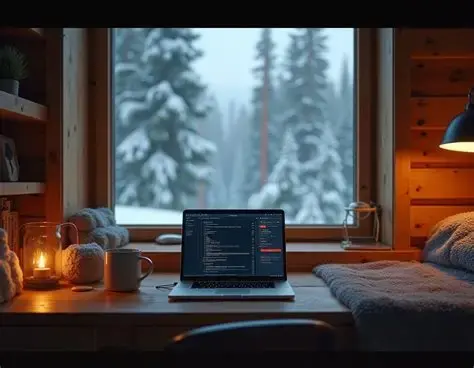
Productivity is heavily influenced by environmental signals. Lighting, desk orientation, and noise profiles shape focus without conscious effort.
The best setups minimize context switching and reinforce work identity.
Time-Boxing and Energy Mapping
Remote productivity in 2025 is less about hours worked and more about energy alignment. High-impact tasks are scheduled during peak cognitive windows.
The Performance Gap Most Articles Miss
Tools Don’t Create Performance—Systems Do
A close study of 2024–2025 search patterns reveals something interesting. People keep searching for tools, but performance differences come from systems.
This is the contrarian truth: two people with identical tools can have radically different outcomes.
The Role of Intentional Friction
High performers add friction where mistakes are costly and remove friction where speed matters. This design thinking is rarely discussed in typical remote work advice.
Applying Systems Thinking to Your Own Setup
Audit Before You Add
Before adding new software or equipment, audit your current workflow. Identify bottlenecks, repeated failures, and energy drains.
Optimization begins with subtraction.
Design for Failure, Not Perfection
The best remote work setup 2025 assumes disruptions will happen. Power cuts, network issues, and interruptions are planned for, not ignored.
Security and Reliability in Distributed Work
Data Protection as a Personal Responsibility
Remote workers increasingly act as independent security nodes. Password hygiene, device encryption, and secure backups are baseline expectations.
Trust Is Built on Consistency
Reliability compounds. When teammates trust your availability and output, autonomy increases naturally.
The Psychological Dimension of Remote Work
Isolation Versus Intentional Solitude
Remote work amplifies mental patterns. Without intentional social and feedback loops, isolation can quietly erode motivation.
Healthy setups include structured human connection.
Boundaries as Performance Infrastructure
Clear start and stop rituals protect long-term output. Burnout is not a failure of discipline, but of system design.
Future-Proofing Your Remote Work Setup

AI as a Cognitive Multiplier
In 2025, AI tools assist with summarization, planning, and prioritization. Used well, they reduce mental overhead rather than replace thinking.
Adaptability as a Core Skill
The most resilient setups evolve. Regular reviews ensure alignment with changing roles and expectations.
Conclusion: Designing for Sustainable Excellence
The defining feature of a successful remote work setup 2025 is intentionality. It is not about copying someone else’s desk or tool list. It is about designing a system that supports focus, reliability, and growth over time.
When your setup works for you quietly and consistently, performance stops feeling forced and starts feeling inevitable.
Frequently Asked Questions
What is the most important element of a remote work setup in 2025?
System design. Tools matter, but how they work together matters more.
Is a remote work setup 2025 expensive to build?
No. Strategic upgrades and workflow design often outperform costly equipment.
How often should I review my remote setup?
Quarterly reviews are ideal for maintaining alignment.
Do I need AI tools to stay competitive?
AI is an advantage, not a requirement, when used intentionally.
Can remote work remain sustainable long-term?
Yes, when boundaries, systems, and recovery are built into the setup.