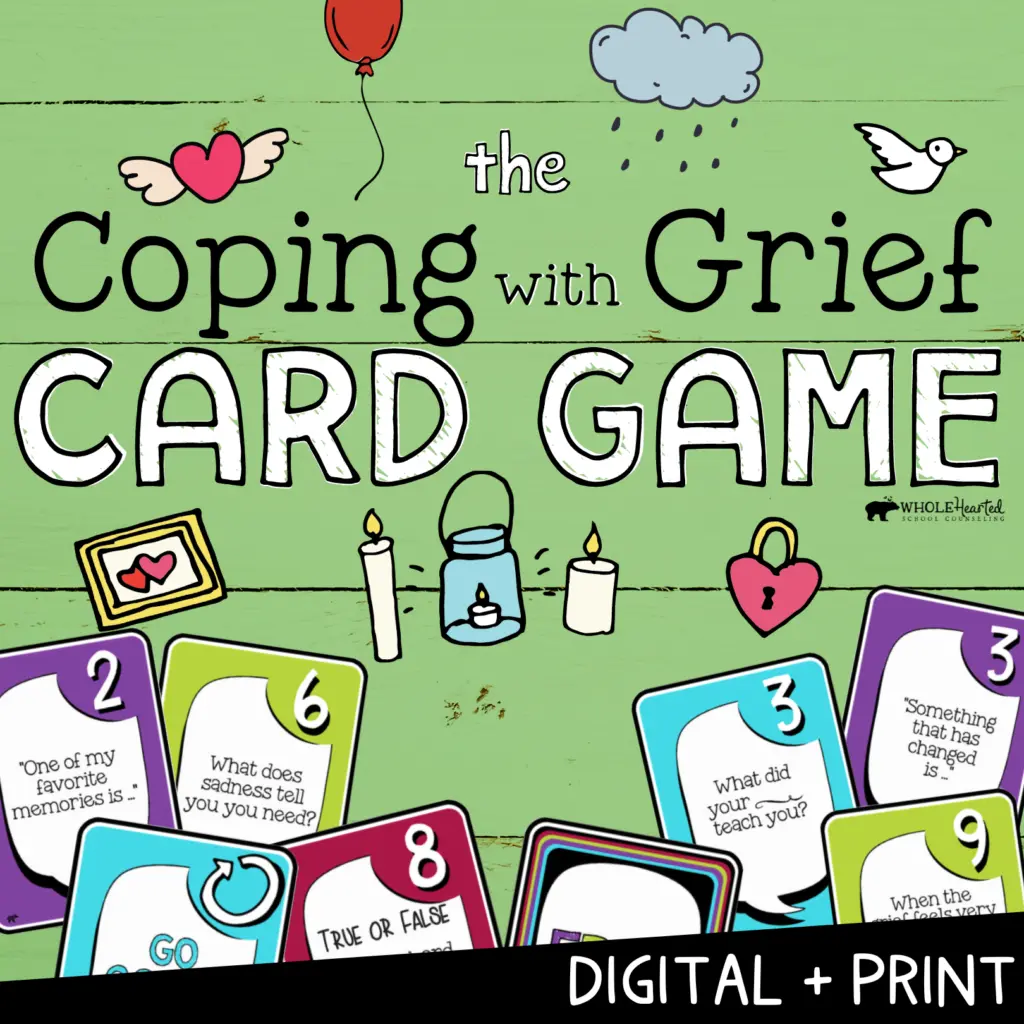
Games for Grieving may sound like a contradiction at first. Games are supposed to be fun, right? Grief, on the other hand, is heavy, quiet, and often unspeakable. Yet more people are discovering that interactive experiences can offer something traditional media cannot: a gentle, participatory space where grief is not rushed, fixed, or explained away, but simply allowed to exist.
If you have ever searched questions like “can video games help with grief?” or “what is a grief and loss game?”, you are not alone. These searches reveal a growing curiosity—and need—for new ways to cope with loss in a world that often struggles to talk about it.
This article explores how and why games for grieving work, what makes them different from ordinary games, and how you can use them intentionally as part of emotional healing rather than accidental escapism.
Why Grief Is So Hard to Process
Grief Is Non-Linear by Nature
One of the most difficult things about grief is that it does not behave logically. There are no stages you neatly complete. You do not “move on” in a straight line. You circle memories. You revisit emotions. You oscillate between numbness and intensity.
This is why advice-based coping often fails. Grief is not a problem to solve; it is an experience to live through.
Why Traditional Coping Tools Sometimes Fall Short
Books, films, and conversations can be powerful, but they are also passive. You consume them. Grief, however, often demands participation—some way to do rather than simply receive. This is where interactive media begins to matter.
What Are Games for Grieving?
Defining a Grief and Loss Game
Games for grieving are not defined by sadness alone. They are defined by intentional emotional design.
- Themes of loss, memory, absence, or impermanence
- Slow pacing and minimal pressure
- Symbolic storytelling instead of direct exposition
- Gentle mechanics that encourage reflection
They are less about achievement and more about presence. When people ask “what is a grief and loss game?”, they are usually expecting something clinical. In reality, most grief-focused games are works of art first—and that is why they resonate emotionally.
Are Games for Grieving the Same as Therapy Games?
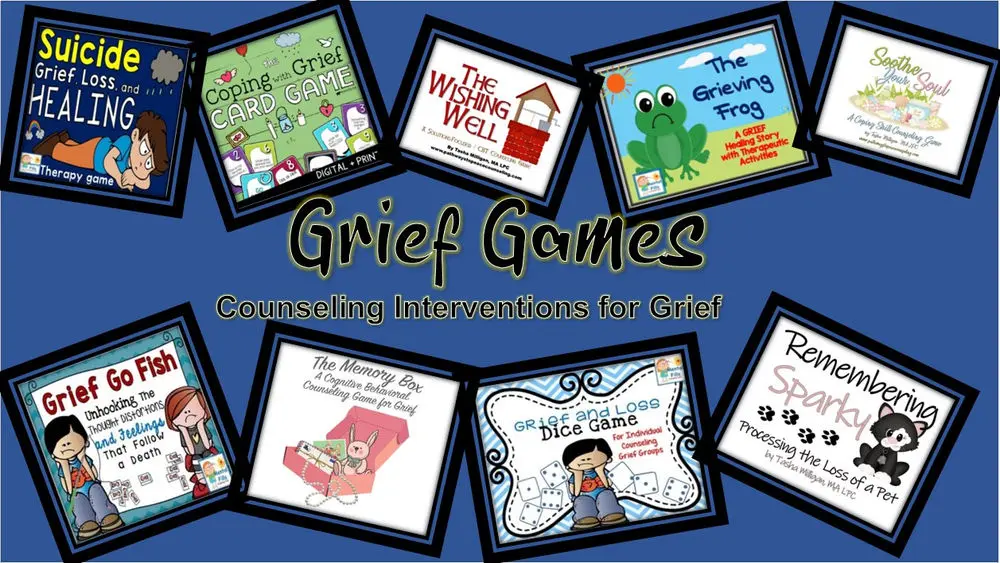
Not exactly. While some therapeutic games exist, most games for grieving are not designed as treatment tools. They do not diagnose or prescribe. Instead, they create emotional containers—safe, bounded spaces where grief can surface without overwhelming the player. Think of them as emotional environments rather than interventions.
Can Video Games Help You Cope With Grief?

The Psychological Case for Interactive Coping
Yes, gaming can help with grief—but not through distraction alone. Games support grief processing by offering:
- Agency when life feels out of control
- Structure during emotional chaos
- Safe repetition of themes like loss and letting go
- Embodied engagement, not just intellectual reflection
Unlike passive media, games ask you to move, choose, wait, and sometimes fail gently. These actions mirror emotional processes more closely than watching or reading ever could.
How Gaming Helps With Grief Without Avoidance
One concern people often raise is avoidance. “Is gaming just escapism?” It can be—but grief games are designed differently. Rather than pulling you away from pain, they:
- Slow you down
- Encourage stillness
- Invite contemplation
- Normalize quiet emotional states
The key difference is intentionality. Games for grieving do not erase grief; they sit beside it.
Why Games Are Uniquely Suited for Grief
Grief Needs Space, Not Solutions
Most social environments push grieving people toward recovery. Games, especially contemplative ones, do the opposite. They allow you to stay where you are. In a game, nothing demands emotional resolution. You can pause. You can wander. You can stop playing entirely. That freedom matters.
Control, Choice, and Emotional Safety
Loss often strips people of agency. Games quietly return it. Even small actions—walking through a landscape, arranging objects, choosing dialogue—restore a sense of autonomy. When grief makes the world feel unstable, controlled interactivity becomes grounding.
Types of Games for Grieving
Narrative-Driven Grief Games
These focus on storytelling, often through metaphor. Loss is rarely explained outright; instead, it is felt through environment, pacing, and silence. They are ideal for:
- Processing personal loss
- Reflecting on memory and absence
- Sitting with unresolved emotions
Exploration and Walking Simulators
These games emphasize movement without urgency. There is no combat, no timer, and often no clear objective beyond exploration. They work well for grief because they:
- Mirror emotional wandering
- Encourage mindfulness
- Reduce performance anxiety
Symbolic and Abstract Experiences
Some grief games abandon realism entirely. They use color, sound, and movement to represent emotional states that words cannot capture. These are particularly effective when grief feels confusing or overwhelming.
Answering Common Questions About Games for Grieving
Can Gaming Help With Grief Long-Term?
Games are not replacements for support systems, but they can be valuable complements. Many people return to grief-oriented games during anniversaries, quiet evenings, or emotionally heavy periods. Their re-playability allows grief to resurface safely when needed.
Are Games for Grieving Only for Gamers?
Not at all. Most grief games are intentionally accessible:
- Simple controls
- Short play sessions
- Minimal gaming literacy required
They are often better suited to non-gamers than mainstream titles.
Are There Risks to Using Games for Grief?
The main risk is unintentional avoidance—using any game, grief-focused or not, to suppress emotion entirely. To avoid this:
- Choose reflective, slow-paced games
- Set time boundaries
- Notice how you feel after playing
If a game leaves you numb rather than calmer or reflective, it may not be the right fit at that moment.
A Closer Look: Why These Games Actually Work
A Pattern Seen Across Grief Games
A close study of grief-centered games reveals a fascinating pattern: they remove pressure. There is often:
- No “game over”
- No scoring system
- No urgency to succeed
Instead, progress happens through presence. You advance by being there. This design mirrors grief itself—you do not overcome it; you live alongside it.
Why Silence and Slowness Matter
Many grief games are quiet. This is not accidental. Silence allows:
- Emotional projection
- Memory resurfacing
- Mental breathing room
In a noisy world that avoids grief, silence becomes radical.
How to Use Games for Grieving Intentionally
Choosing the Right Game for Your Emotional State
Ask yourself:
- Do I need comfort or expression?
- Am I overwhelmed or numb?
- Do I want guidance or freedom?
Different games serve different grief needs. There is no universal solution.
Creating a Ritual Around Play
Grief responds well to ritual. You might:
- Play only at night when the world is quiet
- Light a candle before starting
- Journal afterward
These small acts turn gaming into reflection rather than distraction.
Knowing When to Step Away
Games for grieving are tools, not obligations. If a game becomes emotionally draining rather than grounding, stepping away is an act of care, not failure.
The Cultural Shift Toward Emotional Gaming
Why We Are Seeing More Grief Games Now
Modern life leaves little space for grief. Work schedules, social media, and productivity culture push emotional processing aside. Games are filling that gap—not loudly, but gently. Developers are increasingly interested in:
- Emotional authenticity
- Mental health representation
- Slow, human-centered design
Grief, once considered unmarketable, is now being treated with artistic seriousness.
What This Means for the Future of Games
As emotional literacy grows, games for grieving may become:
- More mainstream
- More diverse in cultural expression
- More integrated into wellness conversations
They will not replace therapy or community—but they will continue to offer quiet companionship.
Conclusion: Why Games for Grieving Matter
Games for Grieving are not about turning pain into entertainment. They are about giving grief somewhere to rest. They offer:
- Presence instead of pressure
- Participation instead of passivity
- Space instead of solutions
In a culture uncomfortable with loss, these games do something radical: they stay with you. And sometimes, that is exactly what healing needs.
FAQs
FAQ 1: What are games for grieving?
Games for grieving are interactive experiences designed to explore themes of loss, memory, and emotional healing through slow, reflective gameplay.
FAQ 2: Can video games help with grief?
Yes. Certain games can support grief processing by providing emotional space, agency, and reflective engagement rather than distraction.
FAQ 3: Are games for grieving suitable for non-gamers?
Most are highly accessible, with simple controls and minimal gameplay complexity, making them suitable for non-gamers.
FAQ 4: Is gaming a healthy way to cope with grief?
It can be, when used intentionally and alongside other forms of support. The key is choosing reflective games rather than purely escapist ones.
FAQ 5: How do I know if a grief game is helping me?
Helpful games typically leave you feeling calmer, more reflective, or emotionally acknowledged—not numb or overstimulated.