Introduction: Are Farm Animals Actually Talking to Us?
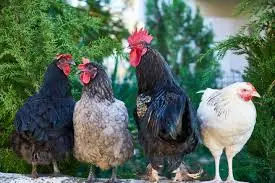
If you’ve ever heard a chicken squawk suddenly or a cow let out a long, low moo, you’ve probably wondered: What does that sound mean?
That question is more common than you might think. Farmers, animal scientists, and curious owners are increasingly searching for ways to decode animal vocalizations to better understand animal welfare, stress, and environmental conditions.
My angle is simple but powerful: animal sounds aren’t random. They’re real-time data. When we learn how to listen properly, chickens and cows become living sensors—constantly reporting on their surroundings, comfort, and needs.
Why Animal Vocalizations Matter More Than We Realize
Sound as a Survival Tool
For animals, vocalizations evolved as survival mechanisms. Sounds warn of danger, signal hunger, reinforce social bonds, or express discomfort.
Unlike humans, farm animals can’t adjust thermostats or file complaints. Sound is often their fastest and clearest feedback system.
Vocalizations vs. Visible Behavior
Behavioral cues like pacing or feather pecking take time to notice. Vocal changes often happen first.
That makes sound an early-warning signal—sometimes hours or days before visible stress appears.
How Chickens Communicate With Sound
Chickens Have a Surprisingly Rich Vocabulary
Research shows chickens produce over 20 distinct vocalizations, each tied to a specific context.
Common categories include:
- Alarm calls for aerial vs. ground predators
- Contented clucking during foraging
- Distress peeps from chicks
These sounds aren’t emotional noise. They’re functional communication.
What Chicken Sounds Reveal About Environment
When temperature rises, chickens increase panting-related vocalizations. In overcrowded conditions, sharp squawks become more frequent.
In calm, enriched environments, vocalizations tend to be:
- Softer
- Rhythmic
- Less frequent
Sound patterns directly reflect environmental quality.
Stress Signals Hidden in Chicken Vocalizations
Frequency and Pitch Changes
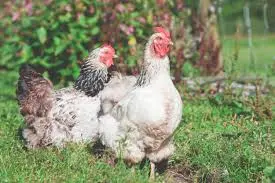
Stressed chickens often produce:
- Higher-pitched calls
- Faster repetition
- Abrupt sound bursts
These changes correlate strongly with heat stress, poor air quality, or sudden environmental disruption.
Why Humans Often Miss the Clues
https://smartechmolabs.com/?s=trained+systemsTo us, one chicken squawk sounds like another. But to trained systems—and attentive listeners—these variations are as meaningful as tone changes in human speech.
How Cows Use Vocalizations Differently
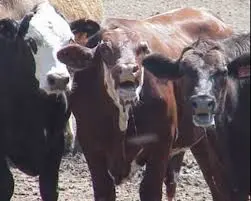
Mooing Is Context-Driven
Cows don’t moo constantly. They vocalize with intent.
Common triggers include:
- Separation from herd
- Hunger or delayed feeding
- Discomfort during milking
- Maternal bonding
Each situation produces slightly different acoustic patterns.
Vocal Patterns Reflect Welfare
Studies show cows in low-stress environments vocalize less frequently but more consistently.
In contrast, stressed cows exhibit:
- Longer moos
- Irregular timing
- Increased volume
Sound becomes a mirror of welfare.
The Science Behind Decoding Animal Sounds

Bioacoustics and Pattern Recognition
Animal vocalization research relies on bioacoustics—the study of sound frequency, duration, and rhythm.
Scientists analyze:
- Pitch
- Harmonics
- Repetition rate
- Sound energy
These features allow researchers to link vocal patterns to emotional and physical states.
Why This Goes Beyond Guesswork
This isn’t anecdotal farming wisdom. Controlled studies consistently link vocal changes to measurable stressors like heat, illness, or hunger.
Sound data often aligns closely with heart rate and cortisol levels.
Technology Is Learning to Listen Too
AI and Smart Barns
Modern farms increasingly use microphones paired with AI systems to monitor animal vocalizations continuously.
These systems can:
- Detect early illness
- Flag heat stress
- Identify overcrowding
- Alert farmers before visible symptoms appear
Sound becomes a form of automated welfare monitoring.
Why Sound Data Is So Valuable
Unlike cameras, microphones work:
- In darkness
- Through dust
- Without line of sight
That makes vocal monitoring one of the most practical tools for real-world farming.
Chickens vs. Cows: Key Communication Differences
Social Structure Shapes Sound
Chickens use sound heavily for immediate alerts and social coordination. Their calls are short and frequent.
Cows, being herd animals with strong social bonds, use longer vocalizations that carry over distance.
Environmental Sensitivity
Chickens are highly sensitive to temperature and air quality, which quickly alters vocal behavior.
Cows vocalize more in response to routine disruptions—feeding delays, separation, or handling.
Why Decoding Animal Vocalizations Improves Welfare
Listening Changes Decision-Making
When farmers tune into sound patterns, they:
- Adjust ventilation sooner
- Modify feeding schedules
- Reduce overcrowding
Small changes can dramatically improve comfort.
Welfare and Productivity Are Linked
Animals experiencing lower stress vocalize less erratically. Those same animals also tend to:
- Eat more consistently
- Grow better
- Produce higher-quality milk or eggs
Sound-based insight benefits both animals and humans.
The Ethical Dimension of Listening
Animals Are Already Communicating
The ethical shift isn’t about teaching animals to talk. It’s about acknowledging they already are.
Ignoring vocal signals is often unintentional—but it still has consequences.
Listening as Respect
Decoding animal vocalizations reframes farming as a dialogue rather than control.
It’s not about sentimentality. It’s about awareness.
Conclusion: The Barn Is Always Talking—Are We Listening?
Chickens and cows don’t speak our language, but they constantly communicate information about their environment, comfort, and stress.
By decoding animal vocalizations, we gain access to a stream of insight that’s always been there—waiting to be understood.
The powerful takeaway is this: better listening leads to better care. When we treat sound as data, animals become partners in shaping healthier, more humane environments.
FAQs
Can animal vocalizations really indicate stress?
Yes. Changes in pitch, frequency, and repetition strongly correlate with physiological stress markers.
Do chickens recognize different types of threats vocally?
They do. Chickens use distinct alarm calls for aerial predators versus ground threats.
Are cows more vocal than chickens?
Not necessarily. Cows vocalize less frequently, but their sounds often carry more contextual information.
Can vocal monitoring replace human observation?
No. It works best as a complement, providing early alerts before visible signs appear.
Is vocal analysis useful for small farms?
Absolutely. Even without advanced tech, attentive listening can reveal valuable environmental clues.