Have you ever opened a technical manual, engineering specification, or software document and thought, “This will take forever to translate or update”? You’re not alone. For decades, technical translation has been slow, expensive, and heavily dependent on highly specialized professionals. But today, AI-powered technical translation has changed the game completely.
In this article, we’re going to explore how artificial intelligence can translate and modernize technical documentation in minutes, not days or weeks. We’ll look at the best AI tools, how automation works, where AI shines (and where it still needs human help), and why—based on real experience—AI is often the smartest first step for technical translation.
If you work with scientific papers, engineering manuals, software documentation, or technical specifications, this guide will help you understand how to do more, faster, and cheaper without sacrificing accuracy.
Introduction: Is There Really an AI That Can Translate Technical Documents?
Let’s start with the most common question people ask online:
Is there an AI that can translate documents?
Short answer: Yes—and it does much more than simple translation.
Modern AI translation tools don’t just convert words from one language to another. They:
- Understand technical context
- Preserve formatting and structure
- Recognize industry-specific terminology
- Help modernize outdated documentation
What used to take a professional translator hours or even days, AI can now do in minutes. That doesn’t mean humans are obsolete—but it does mean the workflow has fundamentally changed.
And this is where our core idea comes in:
Using AI for technical translation isn’t just faster—it’s smarter, more scalable, and far more cost-effective.
What Is Technical Translation Using AI?
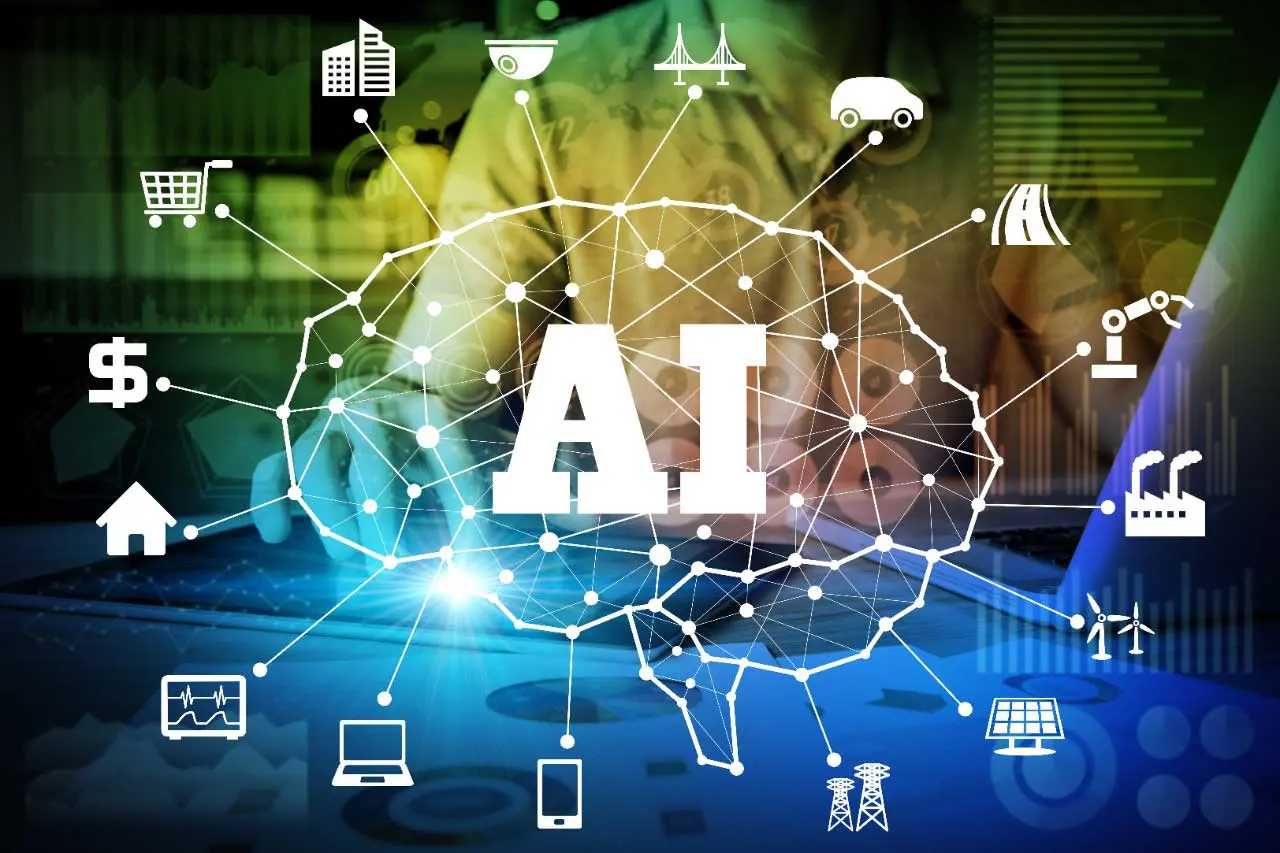
Technical translation involves converting specialized documents—such as manuals, scientific papers, or software guides—from one language to another without losing meaning, precision, or usability, and AI-powered technical translation now makes this process faster and more efficient.
How AI Changes Traditional Technical Translation
Traditional technical translation looks like this:
- Hire a subject-matter expert
- Translate line by line
- Manually check terminology
- Revise formatting
- Proofread multiple times
AI flips this process on its head.
With AI:
- The first full translation happens instantly
- Terminology consistency is automated
- Formatting is often preserved
- Updates can be applied repeatedly with minimal effort
Think of AI as a high-speed assistant that handles the heavy lifting, while humans focus on refinement and validation.
How Can AI Be Used for Documentation Beyond Translation?
AI-powered technical translation doesn’t stop at language conversion.
AI for Documentation Modernization
AI can:
- Simplify outdated technical language
- Rewrite documentation for clarity
- Adapt content for different audiences
- Localize documentation for regional standards
For example, a 2005 engineering manual can be:
- Translated
- Rewritten in modern terminology
- Adapted for a new market
—all in one workflow.
AI for Continuous Documentation Updates
Software and engineering documents change constantly. AI allows you to:
- Re-translate updates instantly
- Maintain consistency across versions
- Scale documentation globally without starting over
Best AI Tools for Translating Complex Technical Manuals
Not all AI tools are created equal—especially for technical content.
AI Tools Specialized in Scientific and Technical Translation
Some tools excel because they are trained on domain-specific data:
- Scientific papers
- Engineering texts
- Medical and industrial documentation
These tools understand:
- Units of measurement
- Technical symbols
- Formal academic tone
AI-Powered Translation Services for Software Documentation
Software documentation has unique challenges:
- Code snippets
- UI labels
- API references
Top AI platforms handle this by:
- Leaving code untouched
- Translating comments and explanations
- Maintaining markdown and HTML structure
This is a huge win for developers and SaaS companies scaling internationally.
Where to Find AI Tools for Translating Scientific Papers
If you work with research or academic content, this question matters:
Where can you find AI tools specialized in translating scientific papers?
Key Features to Look For
When choosing an AI tool for scientific translation, look for:
- Support for PDF and LaTeX
- Terminology memory
- Citation and formula preservation
- Multi-language academic support
AI doesn’t replace peer review—but it drastically reduces the time between research creation and global accessibility.
Automating Technical Document Translation with AI Platforms
Automation is where AI truly shines.
How Automation Works
AI platforms can be connected to:
- Content management systems (CMS)
- Documentation pipelines
- Cloud storage
Once set up:
- New documents are translated automatically
- Updates trigger re-translation
- Multiple languages stay synchronized
Benefits of Automation
- Faster release cycles
- Reduced human error
- Massive cost savings
- Scalable global documentation
In simple terms, automation turns translation into a background process, not a bottleneck.
AI for Translating Engineering Specifications
Engineering specifications demand extreme accuracy.
Why AI Works Well for Engineering Content
AI models are excellent at:
- Repeating precise terminology
- Handling structured data
- Preserving tables and schematics
They don’t get tired. They don’t skip steps. And they don’t “interpret” specs emotionally.
Human Review Still Matters
AI handles 90% of the work.
Engineers validate the final 10%.
That balance is what makes AI-powered technical translation both fast and safe.
Affordable AI Translation Software for Technical Content
One major reason AI adoption is exploding? Cost.
AI vs Traditional Translation Costs
Traditional technical translation:
- High hourly rates
- Long turnaround times
- Expensive revisions
AI translation:
- Subscription-based or pay-per-use
- Near-instant results
- Easy iteration
For startups, researchers, and small engineering teams, this makes global documentation possible for the first time.
Comparing AI Solutions for Technical Writing Localization
Localization isn’t just translation—it’s adaptation.
What Localization Really Means
Localization includes:
- Language
- Measurement units
- Regulatory terms
- Cultural context
Advanced AI solutions now:
- Adapt phrasing regionally
- Suggest alternative terms
- Align content with local standards
Choosing the Right AI Solution
The “best” AI depends on:
- Your industry
- Document complexity
- Languages involved
- Level of automation needed
There is no one-size-fits-all—but AI gives you options that didn’t exist before.
Can ChatGPT Do Live Translation?
This question shows up everywhere—and for good reason.
ChatGPT as a Translation Tool
ChatGPT can:
- Translate documents
- Explain technical terms
- Rewrite documentation clearly
- Compare translations
While it’s not a dedicated CAT (Computer-Assisted Translation) tool, it’s incredibly powerful for:
- Draft translations
- Technical explanations
- Quick iterations
Is ChatGPT Better Than Google Translate?
It depends on the task.
Google Translate:
- Fast
- Good for simple text
- Less context-aware
ChatGPT:
- Understands technical context
- Explains meaning
- Adapts tone and clarity
For technical documentation, context often matters more than speed alone giving ChatGPT a real edge.
Personal Insight – Why I Believe AI Is the Best Choice for Technical Translation
Let me be honest.
In my experience, using AI for technical translations is one of the smartest decisions you can make.
Why?
Because I’ve seen how much:
- Time it saves
- Energy it preserves
- Cost it eliminates
What would take a professional translator hours—sometimes days—AI now handles in minutes. That doesn’t reduce quality; it increases efficiency.
I see AI as:
A tireless assistant that never complains, never delays, and never forgets terminology.
You still need human expertise. But AI gives you a massive head start—and in today’s fast-moving technical world, that head start matters.
The Real Risks and Limitations of AI Translation
No technology is perfect.
Where AI Can Struggle
- Highly ambiguous language
- Legal or regulatory nuance
- Brand-specific terminology without training
How to Mitigate Risks
- Use AI for first drafts
- Apply human review
- Train AI with custom glossaries
When used wisely, AI’s limitations are manageable and far outweighed by its benefits.
Conclusion: The Future of Technical Translation Is Already Here
So, where does this leave us?
AI is no longer a “nice-to-have” tool. It’s becoming the foundation of modern technical documentation workflows.
Whether you’re translating:
- Scientific papers
- Engineering manuals
- Software documentation
- Technical specifications
AI allows you to move faster, spend less, and reach a global audience with confidence.
The real question isn’t “Should we use AI for technical translation?”
It’s “How long can we afford not to?”
FAQs
FAQ 1: What is technical translation using AI?
It is the use of artificial intelligence to translate specialized technical documents while preserving accuracy, structure, and terminology.
FAQ 2: Can AI fully replace human technical translators?
No. AI handles speed and scale, while humans ensure accuracy, compliance, and nuance.
FAQ 3: Is AI translation accurate for engineering documents?
Yes, especially when combined with human review and proper terminology management.
FAQ 4: How can AI help with documentation updates?
AI can instantly re-translate updated sections, keeping all language versions synchronized.
FAQ 5: Is AI translation affordable for small teams?
Absolutely. AI tools dramatically reduce costs compared to traditional translation services.