Blog

  • Interestingly comparable stone tools used by early humans and monkeys

    Interestingly comparable stone tools used by early humans and monkeys

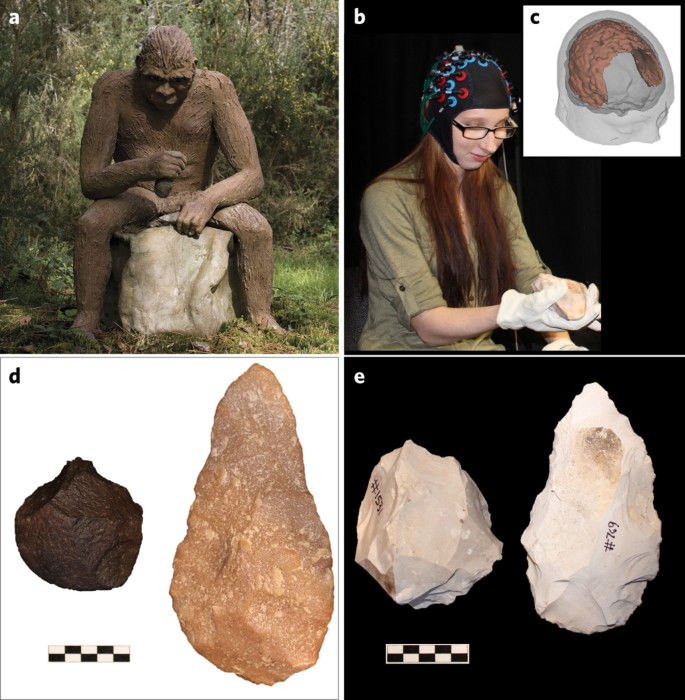
    New analysis of stone tools used by long-tailed macaques in Thailand’s Phang Nga National Park served as the foundation for this study. These monkeys use comparable stone tools to break open nuts with tough shells. Throughout that process, the monkeys frequently crack their anvils and hammerstones. The resulting collection of broken stones is enormous and dispersed far across the environment. Additionally, several of these artifacts share the same traits that are frequently used to distinguish deliberately manufactured stone tools in some of the earliest archaeological sites in East Africa. “Understanding how and when this occurred is a significant subject that is normally studied through the study of ancient artifacts and fossils. The capacity to purposely manufacture sharp stone flakes is viewed as a crucial stage in the evolution of hominins. Our research demonstrates that humans and our predecessors are not the only species capable of making stone tools “According to Tomos Proffitt, the principal author and a researcher at the Max Planck Institute for Evolutionary Anthropology. “It is not surprising that these macaques utilize tools to prepare nuts because they also do so to reach different kinds of shellfish. What’s intriguing is that they unintentionally create a significant archaeological record of their own, some of which can be confused with artifacts from hominins.”
    Early stone age tools

    The researchers were able to demonstrate that many of the artifacts generated by monkeys fall within the range of those often associated with early hominins by comparing the inadvertently formed stone fragments made by the macaques with those from some of the earliest archaeological sites. Jonathan Reeves, co-lead author, emphasizes: “The spectrum of behaviors we associate with sharp edged flakes in the archaeological record has implications for the fact that these artifacts can be produced through nut breaking. The recently found macaque stone tools provide new insights into how the first technology may have begun in our oldest ancestors and suggest that its origin may have been connected to comparable nut-cracking behavior that may be much older than the first archaeological records. “Some have proposed that a possible forerunner to the development of stone tools was the intentional cracking of nuts with stone hammers and anvils, akin to what some primates still do today. The possibility of later being able to recognize such an archaeological signature is made possible by this study and earlier ones published by our group “Lydia Luncz, senior author of the study and director of the Max Planck Institute for Evolutionary Anthropology’s Technological Primates Research Group, makes this statement.


    Human Evolution

    Read More

  • Uncovering new insights about cosmic explosions is the brightest gamma-ray

    Uncovering new insights about cosmic explosions is the brightest gamma-ray

    A new discovery source, designated GRB 221009A in honor of the time it was found, turned out to be the brightest gamma-ray burst (GRB) ever observed. In a new study published today in the Astrophysical Journal Letters, observations on new insights about cosmic explosions from radio waves to gamma rays, including crucial millimeter-wave observations with the Center for Astrophysics | Harvard & Smithsonian’s Submillimeter Array (SMA) in Hawaii, shed new light on the decades-long quest to understand the origin of these extreme cosmic explosions. For more than 300 seconds, GRB 221009A’s gamma-ray emission was visible. Such “long-duration” GRBs, according to astronomers, are the birth cry of a black hole, which is created when the star’s core collapses under the weight of a huge and fast spinning object. Strong plasma jets are sent out by the developing black hole at speeds that are almost as fast as light, piercing the collapsing star and emitting gamma rays in the process. The main question was what would occur after the initial burst of gamma-rays because GRB 221009A was the brightest burst ever observed. According to main author of the study Tanmoy Laskar, assistant professor of physics and astronomy at the University of Utah, “when the jets collide into gas surrounding the dying star, they produce a dazzling ‘afterglow’ of light throughout the entire spectrum.” The afterglow diminishes quite quickly, so we must be quick and nimble to capture the light before it vanishes and takes its secrets with it.

    Discovery on enigmatic cosmic explosion

    Edo Berger and Yvette Cendes of the Center for Astrophysics (CfA) used the SMA to acquire data quickly as part of an effort to use the greatest radio and millimeter telescopes in the world to analyze the afterglow of GRB 221009A. Edo Berger, professor of astronomy at Harvard University and the CfA, adds that because of the burst’s brightness, “we did not want to miss it! It offered a rare opportunity to examine the intricate behavior and evolution of an afterglow with unprecedented clarity.” The first GRB I ever saw was as amazing as this one, and I’ve been studying these occurrences for more than twenty years. Garrett Keating, SMA project scientist and CfA researcher, notes that the SMA’s short response time allowed for a speedy turn to the location of GRB 221009A. The afterglow of this GRB, which could be observed for more than 10 days until it faded, surprised the crew with its brightness. The astronomers were baffled after examining and merging the data from the SMA and other telescopes around the globe: the millimeter and radio wave measurements were significantly brighter than anticipated based on the visible and X-ray radiation. The millimeter and radio data simply don’t behave as expected, according to one of the most comprehensive datasets ever gathered, according to CfA research associate Yvette Cendes. “A few GRBs have previously displayed a brief excess of millimeter and radio emission, which is assumed to be the signature of a shockwave in the jet itself, but in GRB 221009A the excess emission behaves significantly differently than in these earlier examples,” the authors write.

    Exceptional cosmic collision

    We have probably found a brand-new method for producing more millimeter and radio waves, the author continues. The strong jet created by GRB 221009A may be more complicated than in most GRBs, according to Cendes, which is one possibility. It’s probable that one part of the jet generates visible light and X-rays, while another part generates early millimeter waves and radio waves. Berger continues, “Thanks to this afterglow’s brightness, we will be able to continue studying its radio emission for months, if not years. “We expect to unravel the enigmatic origin of the early excess emission with this considerably longer time period,” the author writes. The capacity to react quickly to GRBs and comparable occurrences with millimeter-wave telescopes is a crucial new skill for astronomers, regardless of the specifics of this GRB in particular. The most violent explosions in the cosmos could have been discovered, but we would have missed them without quick-acting radio and millimeter telescopes like the SMA, according to Berger. We must be as receptive as we can be if we want to benefit from these gifts from the cosmos because we can never predict when such events will occur.

    The shortest supernova discovered

    Read More

  • Genomics

    Genomics

    Genomics

    What is Genomics?

    focuses on the structure, function, evolution, mapping, and editing of genomes. It is an interdisciplinary area of biology. A genome is an organism’s whole set of DNA, which includes all of its genes and the three-dimensional, hierarchical structural organization they are organized into.

    Genomic science tries to characterize and quantify all of an organism’s genes, their interactions, and influences on the organism as a whole, as opposed to genetics, which studies specific genes and their functions in inheritance. Enzymes and messenger molecules can work with genes to direct the creation of proteins. Proteins, in turn, build up bodily tissues and organs, regulate chemical processes, and transmit messages between cells.

    Genomics

    In order to assemble and evaluate the structure and function of complete genomes, genomics also entails the sequencing and analysis of genomes using high throughput DNA sequencing and bioinformatics. Systems biology and discovery-based research have undergone a revolution as a result of advances in genomics, making it easier to comprehend even the most intricate biological systems, like the brain.

    Types Of Genomics


    1.Structural Genomics :

    DNA sequencing, sequence assembly, sequence organization, and sequence management are all topics covered by structural genomics. In essence, it is the initial phase of genome analysis, which entails creating high-resolution genetic, physical, or sequence maps of the organism.

    An organism’s ultimate physical map is its entire DNA sequence. The idea of structural genomics has reached a transitional stage as a result of the quick development of DNA technology and the completion of numerous genome sequencing initiatives over the past few years.

    The systematic determination of the 3D structure of proteins present in living cells is now also a part of it. Because every group of people has different proteins, there would also be different genome sequences.

    2.Functional Genomics :

    The next stage is to reconstruct genome sequences and determine the function of the genes using the data from structural genomics. This knowledge also supports the design of an experiment to determine the roles that a particular genome plays. The field of biological research has expanded thanks to the functional genomics approach.

    Genomics

    This approach is based on the methodical examination of a single gene or protein up to all genes or proteins. Therefore, the functional genomics is characterized by large-scale experimental techniques and statistically analysed/computed outcomes. As a result, the novel knowledge about the genome is provided by functional genomics.

    This makes it simpler to comprehend how genes work, how proteins function, and how proteins interact. Scientists are now discovering a plethora of information about this hidden tale because to the advancements in proteomics and microarray technology.

    These two methods made it possible to investigate the simultaneous activities of every gene expressed in a cell or tissue under various environmental conditions, such as temperature, pH, etc.

    Click Here to Get the Further notice

    Read More

  • Robotic Process Automation (RPA) A New Tecnology For Automation

    Robotic Process Automation (RPA) A New Tecnology For Automation

    Robotic Process Automation (RPA)

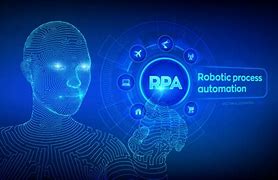
    RPA is a technique that employs software robots to simulate human act ions on digital hardware and software.

    Using internal application programming interfaces (APIs) or specialized scripting languages, a software developer creates a list of actions to automate a process and connect with the back end system in traditional workflow automation technologies. RPA systems, on the other hand, create the action list by observing the user carry out the task in the graphical user interface (GUI) of the program, and then carry out the automation by repeating those actions directly in the GUI. In products that might not otherwise have APIs for this purpose, this can lessen the barrier to the usage of automation.

    RPA tools and graphical user interface testing tools are very comparable in terms of technology. These technologies also automate user interactions with the GUI, frequently by mimicking a user’s demonstration actions. In contrast to these systems, RPA tools enable the handling of data in and between many applications. For instance, receiving an email containing an invoice, extracting the data, and then entering it into a bookkeeping system are just a few examples of how this is possible.

    Two Type of (RPA): Attended and unattended

    Robotic Process Automation (RPA)

    Consider the two different kinds of automation—attended and unattended—when investigating RPA as a workflow automation solution before selecting which is best for your business.

    Attended automation

    You may concentrate on more high-value work throughout your organization by using attended automation. This is accomplished by automating laborious, time-consuming front-office tasks and by simulating mouse clicks made on a desktop or browser by recording and replaying these actions in real time.

    Unattended Automating

    Unattended automation, in comparison, doesn’t require a person to be in front of a computer, as the name suggests. Unattended bots take over, independently recording and replaying behaviors. They’re perfect for increasing the automation of high-volume processes throughout your organization because they support triggers and automated event scheduling.

    The benefits of utilizing RPA

    Robotic Process Automation (RPA)

    Repetitive, tiresome jobs aren’t actually the best use of a human’s cognitive powers, as anyone who has ever had to copy and paste the contents of one enormous spreadsheet to another will agree. Not only is it tedious for the individual doing the work, but the likelihood of mistakes in the finished product is substantially higher. Additionally, it will probably take a lot longer than if a robot were used to complete the task.

    Herein lay two of the principal benefits of employing RPA: improved accuracy and productivity. Workers are given more time to do tasks of higher value, elevating the nature of the work they accomplish. Robots that have been programmed once always follow the rules. They never grow bored or fatigued, they never make mistakes, and they always produce solid results.

    Bots also make it easy for businesses to scale up or down fast, making it possible to easily adapt seasonal workflows and/or surges across business units, locations, and desktop to cloud environments.

    Click Here Further notice

    Read More

  • Danger on the deep ocean currents near Antarctica

    Danger on the deep ocean currents near Antarctica

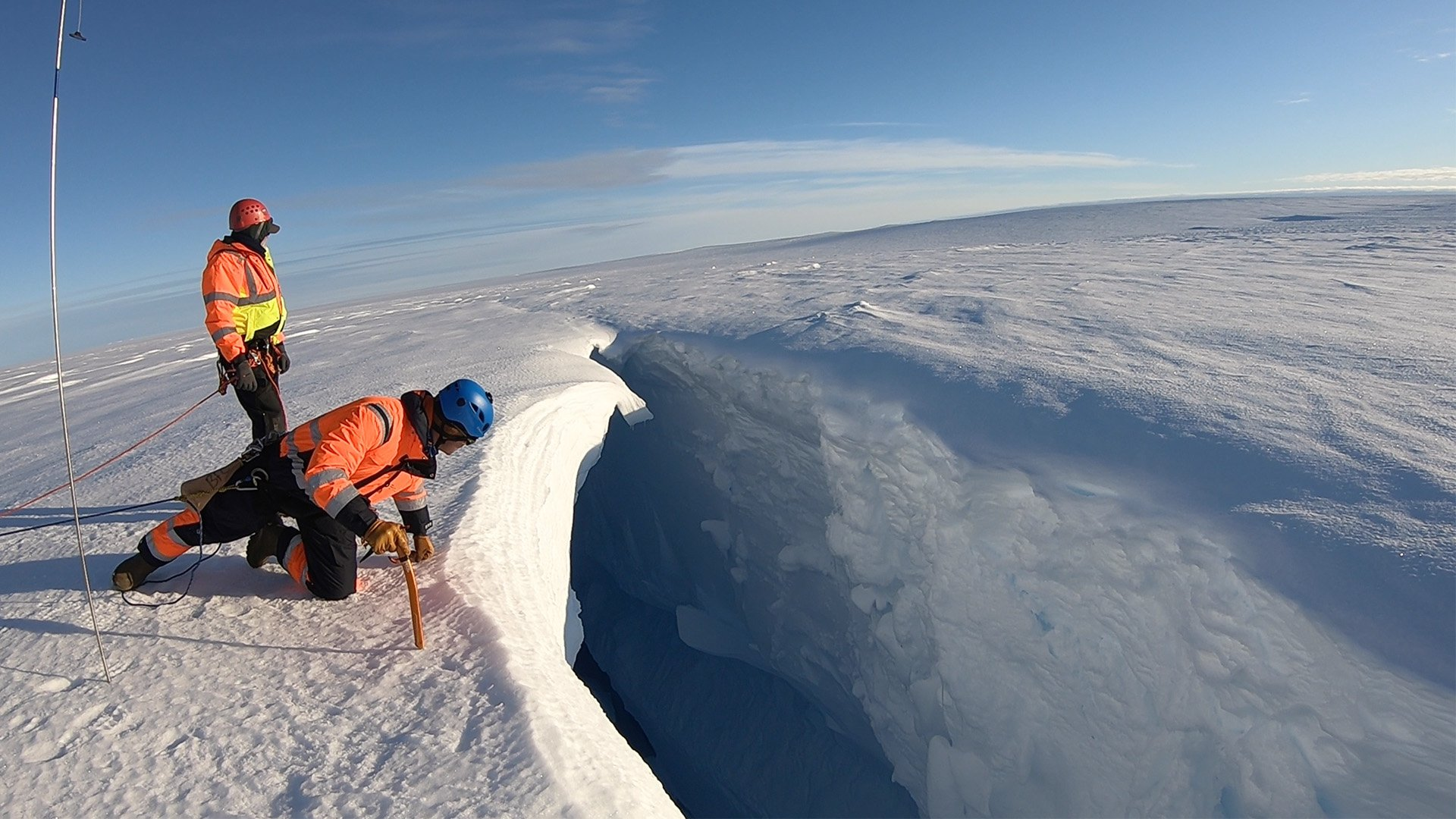
    According to scientists, the deep ocean currents circulation that develops around Antarctica may soon collapse. The stagnation of the ocean floor caused by this loss in ocean circulation will have long-term effects on the climate and marine ecosystems. The findings are described in a recent study conducted by Scientia Professor Matthew England, Deputy Director of the ARC Centre for Excellence in Antarctic Science (ACEAS) at UNSW Sydney. Lead author Dr. Qian Li, formerly of UNSW and now at MIT, as well as co-authors from the Australian National University (ANU) and CSIRO contributed to the work, which was published today in Nature. The overturning circulation, a network of currents that covers the world’s oceans, is driven by cold water that dips close to Antarctica and produces its deepest flow. The globe is turned over, dispersing heat, carbon, oxygen, and nutrients. This affects the climate, sea level, and marine ecological production. According to Prof. England’s modeling, the Antarctic overturning would decelerate by more than 40% in the following 30 years if global carbon emissions keep increasing at the current rate. This trajectory appears to be heading in the direction of collapse.

    Antarctica’s iceberg separates

    Simulation of the deep ocean

    Each year, water that is frigid, salty, and oxygen-rich sinks near Antarctica. The oxygen from this water subsequently travels northward into the deep Indian, Pacific, and Atlantic Oceans. According to Prof. England, if the seas had lungs, this would be one of them. The volume of Antarctic deep water produced under the IPCC’s “high emissions scenario” up until 2050 was modeled by the multinational team of scientists. The model includes theories about how glacier meltwater may affect circulation, as well as features of ocean dynamics that earlier models were unable to account for. Even while the Antarctic overturning has largely remained steady for thousands of years, it is predicted that due to growing greenhouse gas emissions, it will dramatically slow down during the next few decades.

    The depth of the water near Antarctica

    Effects of less frequent Antarctic overturning

    The oceans below 4,000 meters would become stagnant if this deep ocean current ceased to exist. Prof. England claims that this would “trap nutrients in the deep ocean, limiting the nutrients available to support marine life near the ocean surface.” The Australian Antarctic Program Partnership’s Dr. Steve Rintoul, a co-author, claims that the model simulations demonstrate a slowdown of the overturning, which subsequently results in a rapid warming of the deep ocean. The deep ocean is actually already warming, according to Dr. Rintoul’s own measurements. According to the study, as Antarctica’s ice melts, the ocean waters nearby become less thick, slowing the overturning circulation there. As the earth warms, it is predicted that the melting of the Antarctic and Greenland ice sheets would quicken. Dr. Adele Morrison, an associate professor at ACEAS and the ANU Research School of Earth Sciences, adds that “our study reveals that the melting of the ice sheets has a profound impact on the overturning circulation that regulates Earth’s climate.” It’s feasible that an iconic water mass will go extinct in the long run, according to Prof. England. The oceans will be significantly harmed for millennia to come by such huge changes in the ocean’s overturning of heat, freshwater, oxygen, carbon, and nutrients.

    Read More

  • Discovery on a molecular mechanism linked to type 2 diabetes by researchers

    Discovery on a molecular mechanism linked to type 2 diabetes by researchers

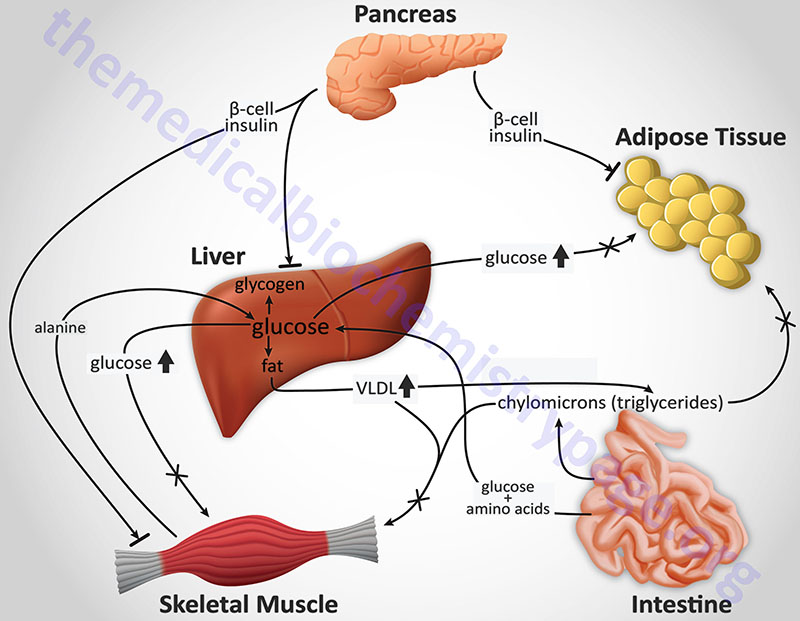
    A chronic condition known as type 2 diabetes occurs when the body either does not create enough insulin or does not utilize it effectively. Millions of people worldwide are impacted by this condition, which is brought on by the interaction of a genetic propensity for obesity, sedentary lifestyles, and poor eating habits. A molecular mechanism implicated in the progression of this disease has now been discovered by researchers from the University of Barcelona (UB), the Institute for Research in Biomedicine (IRB), and the Diabetes and Related Metabolic Disorders Networking Biomedical Centre (CIBERDEM). A decrease in mitochondrial proteins that produce intricate respiratory chain subunits has been seen in type 2 diabetes patients and animal model samples, according to a study published in the journal Redox Biology. The researchers hypothesize that using the relationship between this decline in proteins and the rise in intracellular nitric oxide as a technique of illness diagnosis.

    Type 1 and type 2 diabetes

    The organelles known as mitochondria are responsible for generating cellular energy, and research has linked their failure to insulin resistance, a hallmark of type 2 diabetes. The purpose of the investigation was to ascertain whether this mitochondrial malfunction was caused by changes in the intricate components of the mitochondrial respiratory chain. The next step was for the researchers to determine whether nitric oxide, a chemical that exists in mitochondria and functions as a cell messenger in many physiological and pathological processes, was connected to these changes. The obese patients with type 2 diabetes, which typically manifests around the age of 55, the obese patients with early diabetes, which manifests around the age of 25, and samples of model animal samples with diabetes were all examined by the researchers for their muscle composition.

    Treating type 2 diabetes with glucose metabolism

    Read More

  • What Does Datafication Means in Science?

    What Does Datafication Means in Science?

     the meaning of Datafication
    the meaning of Datafication

    Is a technological development called “datafication” converts many parts of our lives into data, which is then converted into information and realized as a new kind of value.

    In 2013, the words “datafication” and “Viktor Mayer-Schönberger” were first used in a larger context. [4] Datafication had previously been used to describe the study of data-based representations of our lives, but not on the current scale. Big data’s influence and predictive analytics’ access to computational power were the main causes of this transformation.

    Datafication differs from digitization, which transforms analog content, such as books, movies, and images, into digital information, or a series of ones and zeros, which computers can interpret. Datafication is a much bigger activity that involves converting all facets of life into data. When something is data filled, its function can be changed, and the information can then be used to create new types of value[2].

    Example

    Twitter’s datafication of stray thoughts and LinkedIn’s and other companies’ datafication of HR are two examples of datafication as it relates to social and communication media. Aspects of the built environment, design using engineering and/or other tools, and data connections to formal, functional, or other physical media results are just a few other examples. An example of data gathering and processing for optimal control is shape optimization.

    Impact

    Human resources
    Data obtained from mobile phones, apps or social media usage is used to identify potential employees and their specific characteristics such as risk taking profile and personality. This data will replace personality tests. Rather using the traditional personality tests or the exams that measure the analytical thinking, using the data obtained through datafication will change existing exam providers. Also, with this data new personality measures will be developed.[6][7]
    Insurance and Banking
    Data is used to understand an individual’s risk profile and likelihood to pay a loan.
    Customer relationship management
    Various industries are using datafication to understand their customers better and create appropriate triggers based on each customer’s personality and behaviour. This data is obtained from the language and tone a person uses in emails, phone calls or social medias.[8]

    Street lamps in Amsterdam have been upgraded to allow municipal councils to dim the lights based on pedestrian usage.[9]
    Smart city
    Through the data obtained from the sensors that are implemented into the smart city, issues that can arise might be noticed and tackled in areas such as transportation, waste management, logistics, and energy. On the basis of real-time data, commuters could change their routes when there is a traffic jam. With the sensors that can measure air and water quality, cities can not only gain a more detailed understanding of the pollution levels, but may also enact new environmental regulations based on real-time data.[10]

    Read More

  • Increased hunger-related synapses in the brain

    The yo-yo effect is well known to many dieters: following the diet, the pounds are swiftly added back on. Now, scientists from Harvard Medical School and the Max Planck Institute for Metabolism Research have demonstrated in mice that synapses in the brain communication changes during a diet: The nerve cells that mediate the feeling of hunger receive stronger signals, causing the mice to eat significantly more after the diet and gain weight more quickly. These discoveries may eventually aid in the creation of medications that stop this amplification and support the maintenance of a decreased body weight following dieting. “The short-term results of dieting have received the majority of attention. In order to determine how the brain alters over time, “explains Henning Fenselau, the study’s principal investigator and a researcher at the Max Planck Institute for Metabolic Research.

    How can we change the brain’s dietary patterns?

    In order to achieve this, the researchers fed mice different diets while monitoring how certain brain circuits changed. They focused on the AgRP neurons in the hypothalamus, a set of neurons known to regulate the sensation of hunger. They were able to demonstrate that when the mice were on a diet, the neural pathways that trigger AgRP neurons delivered more messages. Long after the diet, this dramatic shift in the brain may still be seen. Also, the scientists were able to specifically disrupt the mouse brain pathways that activate AgRP neurons. After the diet, there was a noticeably smaller weight gain as a result. According to Fenselau, this may present an opportunity to lessen the yo-yo impact. “Our long-term objective is to discover treatments for people that could support keeping off weight reduction following dieting. We are still investigating strategies to prevent the neuronal circuits in humans from becoming stronger in order to do this.”

    A direct link between the gut and the brain

    “This research deepens our understanding of how hunger is controlled by brain wiring patterns. A significant group of upstream neurons that physically synapses with and stimulates AgRP hungry neurons have already been identified by us. In the current study, we discover that dieting and weight loss significantly increase the physical neurotransmitter connection between these two neurons, a process known as synaptic plasticity, which causes persistently excessive hunger “co-author Bradford Lowell of Harvard Medical School offers his thoughts.

    Read More

  • What is Quantum Computing?

    What is Quantum Computing?

    Quantum Computing
    Quantum Computing

    A new technology known as quantum computing exploits the strange laws of quantum physics to solve challenging tasks more quickly than traditional computers.

    Qubits, the building blocks of quantum computing, can exist in superpositions of two states, like a coin that is simultaneously heads and tails.

    Qubits can also be entangled, which means they can share information instantly across any distance, like two twins who feel each other’s emotions.

    Quantum Computing

    It can run quantum algorithms, which exploit these properties to perform tasks like encryption, optimization, simulation, and machine learning. Quantum computers can run quantum algorithms, which exploit these properties to perform tasks like encryption, optimization, simulation, and machine learning.

    Since they are still in their infancy, quantum computers must overcome various difficulties like noise, error correction, scaling, and programming.

    What is a qubit?

    Bits are a sequence of electrical or optical pulses that represent 1s or 0s and are used by modern computers. Your tweets, emails, iTunes music, and YouTube movies are all basically just lengthy lines of these binary digits.

    Qubits, on the other hand, are typically subatomic particles like electrons or photons and are used in quantum computers. Qubit generation and management is a difficult engineering and scientific problem. Superconducting circuits are used by several businesses, including IBM, Google, and Rigetti Computing, which are chilled to temperatures colder than deep space. Others, like IonQ, use ultra-high vacuum chambers to trap individual atoms in electromagnetic fields on silicon chips. The objective is to isolate the qubits in a regulated quantum state in both scenarios.

    Quantum Computing

    A connected set of qubits can offer significantly more processing power than the same number of binary bits due to some peculiar quantum features. These characteristics include entanglement and superposition, respectively.

    Click here to get the full details

    Read More

  • What is Edge Computing?

    What is Edge Computing?

    What is Edge Computing
    What is Edge Computing

    Edge computing enables remote devices to process data at the network’s “edge,” either on-board or through a local server. Also, only the most crucial data is transported to the central datacenter when processing of data is required, reducing latency.

    Why is edge computing used in businesses?

    What is Edge Computing

    Edge computing helps businesses gain deeper, more timely insights from device data and speed up the response times of their remote devices. Edge computing eliminates bottlenecks on the networks and datacenters that serve edge devices and enables real-time computation in places where it would not otherwise be possible.

    Without edge computing, the enormous amount of data that edge devices generate would overload the majority of today’s commercial networks, impairing all network functions. The price of IT may rise. Customers who are not satisfied might shop elsewhere. Valuable equipment may suffer damage or just perform less well. Most importantly, the security of employees may be jeopardized in fields where intelligent sensors are used to keep them safe.

    How is edge computing implemented?

    What is Edge Computing

    To make real-time functionality possible for smart apps and IoT sensors, edge computing solves three interrelated challenges:

    • Connecting a device to a network from a remote location.
    • Slow data processing due to network or computing limitations.
    • Edge devices causing network bandwidth issues.

    Advancements in networking technologies, like 5G wireless, have made it possible to solve these challenges on a global, commercial scale. 5G networks can handle vast amounts of data—going to and from devices and datacenters—in near-real time. (There’s even a wireless network that uses cryptocurrency to encourage users to extend coverage to harder-to-reach areas.)

    But advances in wireless technology are only part of the solution for making work at scale. Being selective about which data to include and exclude in data streams over networks is also critical to reducing latency and delivering real-time results.

    An example of edge computing:

    A security camera in a remote warehouse uses AI to identify suspicious activity and only sends that specific data to the main datacenter for immediate processing. So, rather than the camera burdening the network 24 hours per day by constantly transmitting all of its footage, it only sends relevant video clips. This frees up the company’s network bandwidth and compute processing resources for other uses.

    Click here to get the full details of this post

    Read More