Introduction: Why Most Discord Bots Feel Useless (And Why That’s Changing)
If you’ve ever managed or joined a growing Discord server, you’ve probably asked yourself a frustrating question: why do most bots built for AI-powered community management still feel dumb?
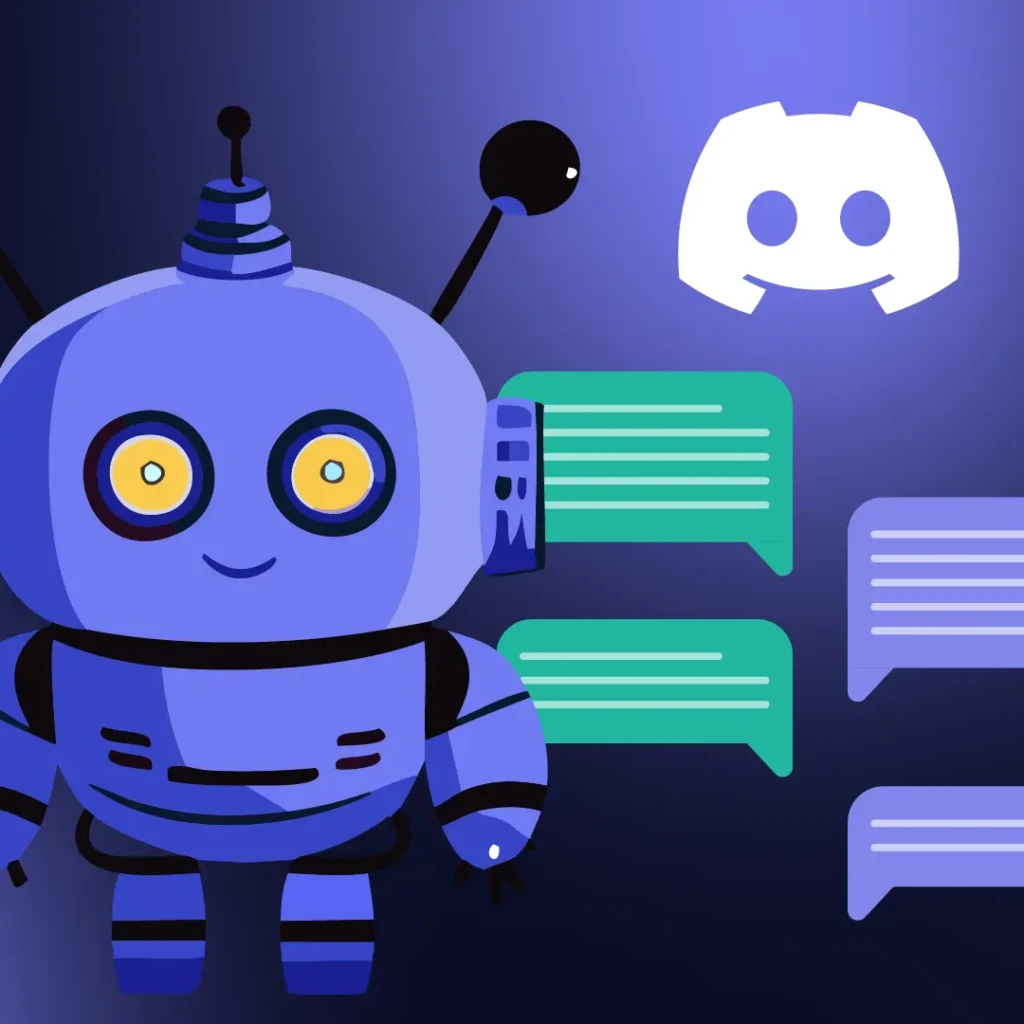
They respond to commands. They assign roles. They delete spam—sometimes too aggressively, sometimes not at all. But they don’t understand what’s happening inside the community.
That’s the core problem.
Most Discord bots today are built as tools. But the future—and the real monetization opportunity—lies in building integrated AI agents. Bots that don’t just react, but observe, decide, and act intelligently across moderation, engagement, and organization.
This article is about that shift.
Not just how to build an AI-powered Discord bot—but how to think about it as a product, a system, and ultimately, a business.
The Big Shift: From Command Bots to AI Agents
Let’s start with a mindset reset.
Traditional bots work like vending machines:
- You press a button (
!mute) - You get a result
AI-powered bots work more like junior community managers:
- They watch behavior over time
- They detect patterns
- They take context-aware actions
This difference is everything.
When bots move beyond basic commands into integrated AI agents, they unlock use cases that server owners will pay for.
Understanding Search Intent: What People Really Want From AI Discord Bots
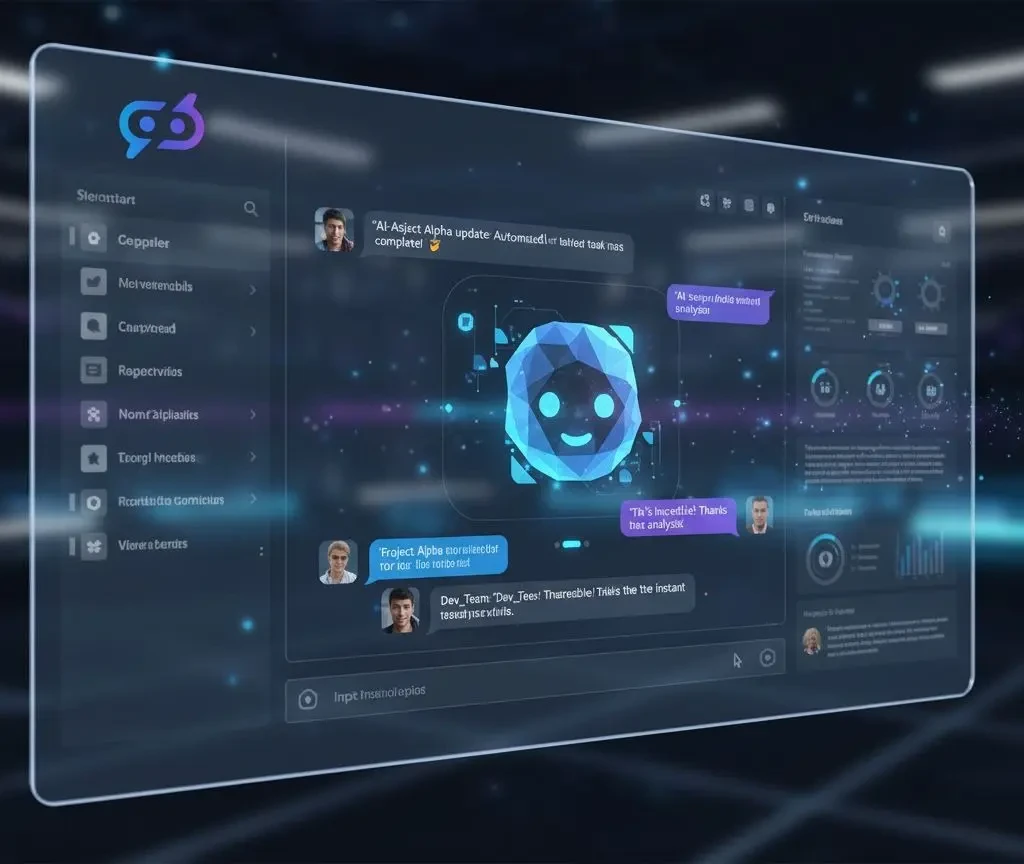
When you look at search behavior around AI Discord bots, the intent clusters clearly fall into four buckets:
1. Moderation & Control Intent
People want to know:
- How AI-powered Discord bots automate server moderation
- Which AI bots offer the best spam detection
- Whether Discord itself has AI moderation
Translation: “I’m overwhelmed. Can a bot reduce chaos without killing community vibes?”
2. Setup & Integration Intent
Common questions include:
- How to integrate AI into a Discord bot
- How to build a Discord AI bot
- How to manage roles and permissions automatically
Translation: “This sounds powerful, but how hard is it really?”
3. Engagement & Content Intent
Searchers also ask:
- Can Discord AI generate content?
- Can bots manage events and conversations?
- What AI tools help communities stay active?
Translation: “I don’t just want safety—I want energy.”
4. Monetization Intent
And finally:
- How do I monetize my Discord bot?
- Can you make money building Discord bots with AI?
Translation: “This seems valuable. Can it be a business?”
We’ll answer all four—without turning this into a shallow how-to list.
AI-Powered Moderation: Moving Beyond Keyword Filters
Why Traditional Moderation Bots Fail
Keyword-based moderation is brittle.
Users evade filters.
Context is ignored.
Sarcasm gets punished.
Bad actors adapt faster than rule sets.
AI changes this by shifting moderation from rules to patterns.
How AI Discord Bots Actually Moderate Communities
Modern AI moderation systems analyze:
- Message frequency spikes
- Repeated behavioral signals
- Semantic meaning, not just words
- Historical user behavior
Instead of asking “Does this message contain a banned word?” the bot asks:
“Does this behavior match known disruption patterns?”
This is where spam detection, harassment control, and raid prevention become predictive, not reactive.
And yes—this is why people search for AI bots that offer the best spam detection features for Discord. They’re tired of babysitting.
Engagement: AI Bots as Community Glue

Moderation keeps communities alive.
Engagement makes them thrive.
Can Discord AI Generate Content? Yes—But That’s Not the Point
AI-generated messages alone won’t save a dead server.
The real value is context-aware engagement, such as:
- Reviving dormant threads with relevant prompts
- Summarizing long discussions for latecomers
- Suggesting events based on community behavior
- Nudging conversations instead of spamming them
Think of an AI bot less like a megaphone and more like a conversation facilitator.
Organization: The Silent Killer of Discord Servers
Most servers don’t fail because of trolls.
They fail because:
- Channels are chaotic
- Roles are confusing
- Events get lost
- New users feel overwhelmed
How AI Bots Organize Communities Intelligently
AI-powered bots can:
- Assign roles dynamically based on participation
- Auto-tag expertise based on user behavior
- Schedule and remind events intelligently
- Summarize rules and onboarding steps for newcomers
This directly answers the search intent behind:
“How can I integrate an AI bot to handle user roles on my Discord server?”
Because at scale, manual organization collapses.
How to Integrate AI Into a Discord Bot (Without Overengineering)
Let’s demystify this.
You don’t “add AI” all at once. You layer it.
The Practical Architecture
At a high level:
- Discord Bot Framework (e.g., Discord.js or Pycord)
- Event listeners (messages, joins, reactions)
- AI processing layer (LLMs, classifiers, embeddings)
- Decision logic (rules + AI outputs)
- Action layer (moderation, replies, roles)
AI should assist decisions, not replace logic entirely.
That’s how you avoid hallucinations, abuse, and chaos.
The Writer’s Insight: Why Most AI Discord Bots Will Fail
Here’s the uncomfortable truth.
Most AI Discord bots fail not because of tech—but because of product thinking.
A close study of existing bots reveals a pattern:
- They bolt AI onto existing features
- They don’t redesign workflows around intelligence
- They chase “cool” instead of “useful”
Communities don’t pay for AI.
They pay for reduced effort, reduced stress, and better outcomes.
The moment your bot feels like an assistant instead of a gadget, monetization becomes natural.
Monetization: Turning an AI Discord Bot Into a Business
How Do You Monetize a Discord Bot?
There are only three models that work long-term:
1. Tiered SaaS Subscriptions
- Free: Basic moderation
- Pro: AI moderation + engagement
- Premium: Advanced analytics, customization
This aligns perfectly with server growth.
2. Usage-Based Pricing
Charge based on:
- Messages processed
- AI calls
- Server size
This works best for enterprise or creator communities.
3. White-Label or B2B Licensing
Sell your bot as:
- A branded community tool
- A management layer for DAOs, schools, or companies
This is where serious money lives.
Does Discord Have AI Moderation Built In?
Discord has some automated safety tools—but they are platform-level, not community-specific.
That’s the gap.
Server owners want:
- Custom moderation styles
- Cultural nuance
- Control over thresholds
Your bot exists because Discord can’t tailor AI to every community.
Which Discord Bot Is Best for Moderation?
This question appears everywhere—but it’s the wrong one.
The real question is:
“Which bot understands my community best?”
And that’s why custom AI bots outperform generic ones over time.
Building for Scale: What Separates Hobby Bots From Products
If you want monetization, you must think about:
- Rate limits
- Cost control (AI calls aren’t free)
- Explainability (“Why did the bot act?”)
- Trust and transparency
AI without trust kills adoption.
Conclusion: The Future Is Agent-Based Communities
The future of Discord bots isn’t more commands.
It’s intelligent agents that:
- Understand context
- Reduce mental load
- Scale human moderation
- Enhance—not replace—community culture
If you build your bot as an AI-powered teammate instead of a tool, monetization stops being awkward.
It becomes obvious.
FAQs
FAQ 1: How hard is it to build an AI-powered Discord bot?
Technically moderate, conceptually challenging. The real difficulty in AI-powered community management lies in designing intelligent workflows, not writing code.
FAQ 2: Can AI Discord bots replace human moderators?
No—but they dramatically reduce moderator workload and burnout.
FAQ 3: Are AI Discord bots safe to use?
Yes—when AI-powered community management is combined with rule-based logic, transparency, and human oversight.
FAQ 4: What AI models work best for Discord bots?
Lightweight classifiers for moderation and LLMs for summarization and engagement work best together.
FAQ 5: Is building an AI Discord bot profitable?
Yes—if AI-powered community management solves real community pain points and is priced based on value, not novelty.