Introduction: Why Everyone Is Suddenly Talking About AI Game Assets
If you’ve spent even five minutes around game developers lately, you’ve probably heard the same question asked in different ways: “Can AI really handle game assets?” AI-generated game assets—icons, textures, and sound effects—were once a futuristic idea, but today they’re quickly becoming practical tools that help developers move faster, cut costs, and reduce creative bottlenecks that used to slow projects down.
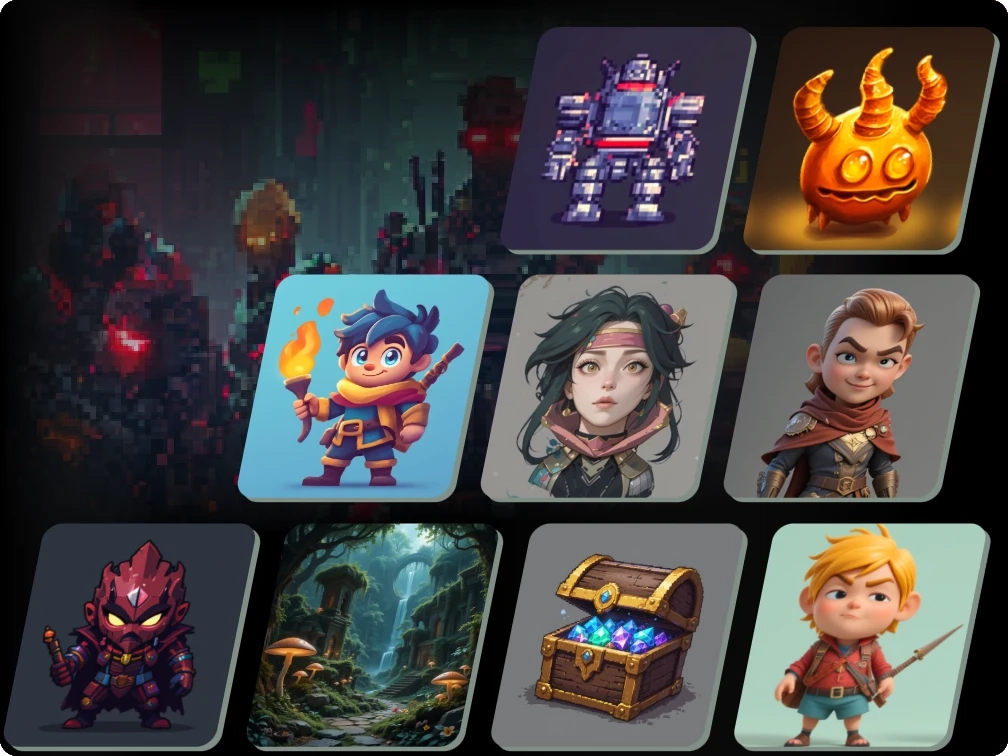
But here’s the part most articles gloss over: creating and selling AI-generated asset packs is not just about prompting a tool and uploading files. It’s a streamlined commercial venture only when you understand the balance between automation, human refinement, legal protection, and smart distribution.
That’s the angle we’re taking here.
Not hype. Not fear. A practical, business-first breakdown of how AI-generated asset packs actually work in the real game development economy.
The Foundation: What Are AI-Generated Asset Packs?
At their core, AI-generated asset packs are collections of game-ready resources created using artificial intelligence and then refined for real-world use.
These packs typically include:
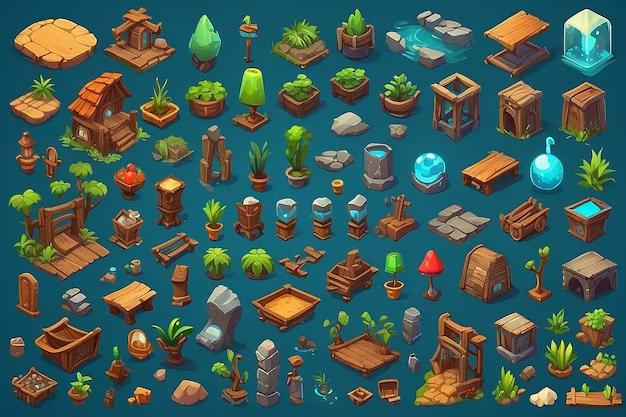
- Icons (UI elements, buttons, inventory items)
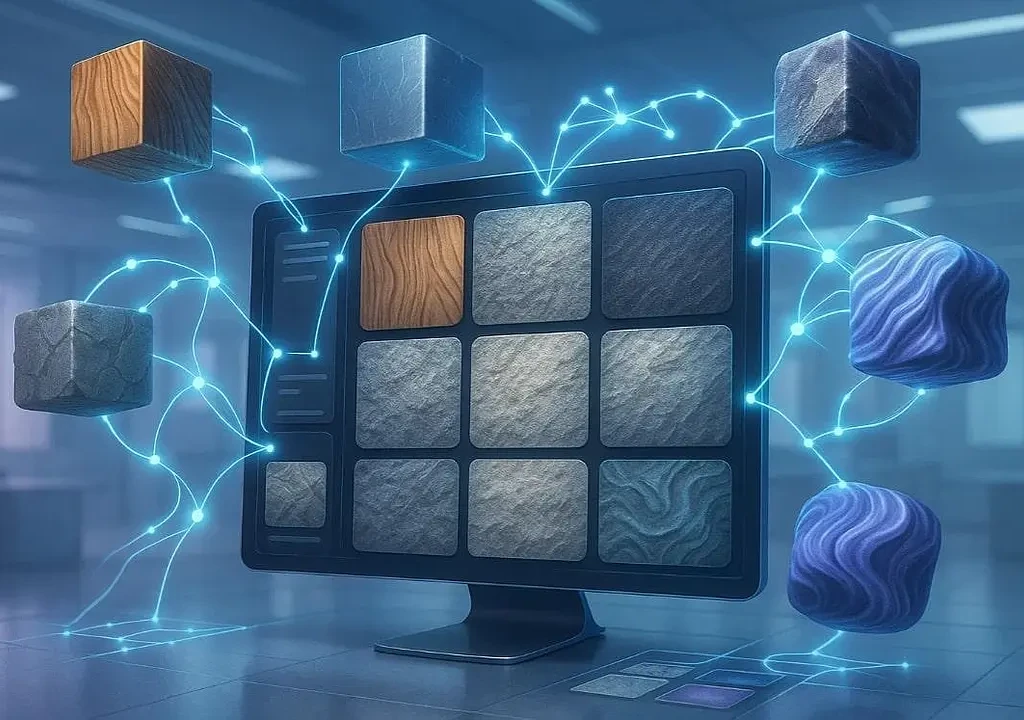
- Textures (terrain, materials, surfaces)
- Sound effects (UI clicks, footsteps, ambient noise)
Think of them like prefab components in architecture. Developers don’t always want to design everything from scratch. They want reliable building blocks that save time without sacrificing quality.
AI simply accelerates the first draft.
Why Game Developers Are Using AI-Generated Asset Packs
Let’s answer the “why” before the “how.”
Speed Beats Perfection (Most of the Time)
Indie developers, game jams, and small studios live on tight deadlines. AI-generated assets:
- Reduce production time
- Allow rapid prototyping
- Enable faster iteration cycles
For many developers, “good enough now” beats “perfect later.”
Budget Reality Is Brutal
Hiring a professional artist or sound designer is expensive. AI assets offer:
- Lower upfront costs
- Predictable pricing
- Access to visuals and sounds that would otherwise be out of reach
This is especially attractive to:
- Solo devs
- Student developers
- Mobile game creators
Who Actually Benefits From AI-Generated Game Asset Packs?
This isn’t a one-size-fits-all solution.
The Biggest Beneficiaries
- Indie game developers
- Prototype-focused studios
- Game jam participants
- Mobile and casual game creators
- Educational projects
Who Often Avoids Them
- AAA studios with strict art direction
- Narrative-heavy games requiring bespoke aesthetics
- Studios with legal departments that dislike gray areas
AI assets are tools—not replacements for vision.
What Types of Game Assets Can AI Generate Well (And Poorly)?
Not all assets are created equal.
Assets AI Is Excellent At
- Flat UI icons
- Pattern-based textures
- Ambient sound effects
- Stylized, non-realistic visuals
Assets AI Struggles With
- Character animation rigs
- Emotion-driven facial expressions
- Highly specific narrative props
- Signature art styles
The sweet spot? Foundational assets that don’t carry emotional storytelling weight.
The Legal Reality: Copyright, Ownership, and the “30% Rule”
Here’s where most creators get sloppy—and vulnerable.
Who Owns AI-Generated Game Assets?
Ownership depends on:
- The AI tool’s license
- Your level of human modification
- The marketplace’s policies
Many platforms operate under an informal “30% rule”—meaning assets must be significantly altered by a human to qualify as original work.
Why Human Refinement Isn’t Optional
Human refinement:
- Strengthens copyright claims
- Reduces similarity risks
- Increases marketplace acceptance
- Improves commercial value
In practice, this means:
- Editing textures manually
- Re-drawing icon edges
- Layering and mixing sound effects
- Adjusting color palettes
AI gives you raw clay. You still need to sculpt.
Which AI Tools Are Best for Creating Game Assets?
There’s no single “best” tool—only best use cases.
For Icons & Visual Assets
- Diffusion-based image generators
- Vector-focused AI tools
- Prompt-to-style engines
For Textures
- AI texture tiling tools
- Material-map generators
- Seamless pattern AIs
For Sound Effects
- Procedural sound generators
- Text-to-audio AI models
- AI audio layering tools
The winning strategy? Combine tools, not rely on one.
How to Create AI-Generated Textures for Games (The Right Way)
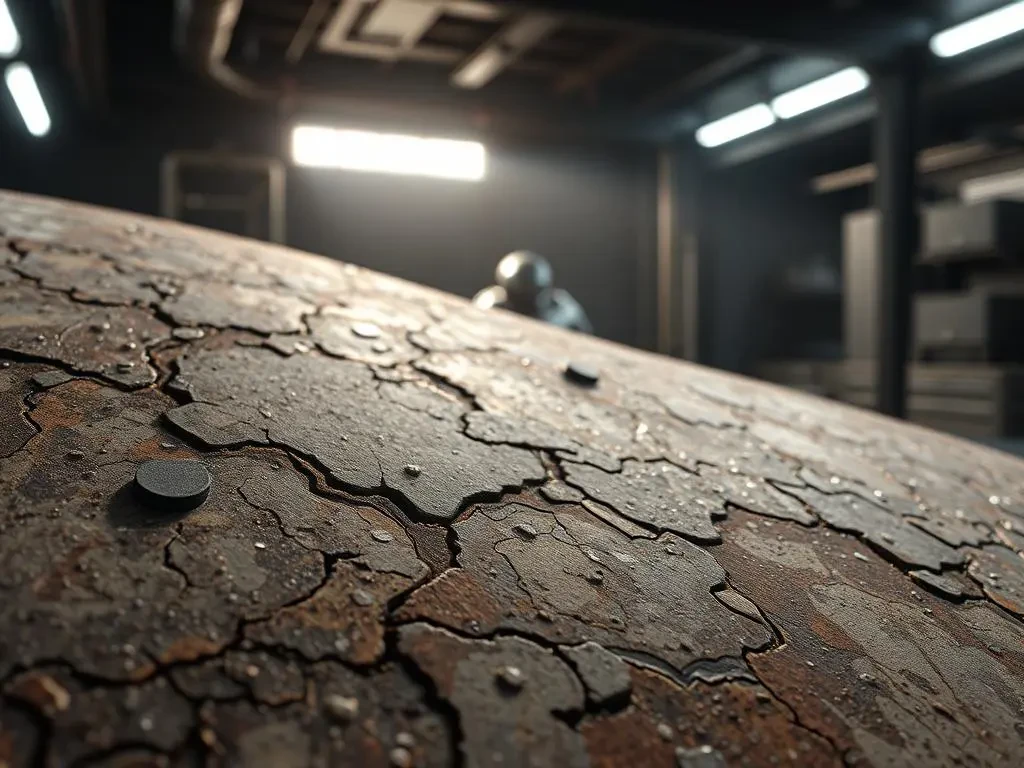
Textures are where AI shines—but also where mistakes show fast.
A practical workflow:
- Generate base texture with AI
- Test tiling and repetition
- Manually correct seams
- Adjust resolution and compression
- Export in engine-friendly formats
The difference between amateur and professional AI assets is post-processing discipline.
When Should Developers Use AI Assets Instead of Custom Ones?
AI assets work best when:
- Speed matters more than uniqueness
- Budget is limited
- Assets are non-narrative
- Prototyping or MVPs are the goal
Custom assets win when:
- Brand identity is critical
- Visual storytelling drives engagement
- Long-term IP value matters
Smart developers mix both.
When Is It Appropriate to Sell AI-Generated Asset Packs?
Short answer: When they solve a real problem.
Good AI asset packs:
- Target a specific game genre
- Follow engine requirements
- Are consistently styled
- Include clear licensing terms
Bad ones are just random outputs zipped together.
Where Can You Sell AI-Generated Asset Packs?
Distribution matters more than generation.
Top platforms include:
- Game engine marketplaces
- Indie asset stores
- Creator-focused digital marketplaces
- Direct-to-developer websites
Each has different:
- Licensing rules
- Revenue splits
- Quality standards
Always read the fine print.
Why Some Developers Still Avoid AI-Generated Assets
It’s not ignorance—it’s caution.
Common concerns include:
- Legal uncertainty
- Overused visual styles
- Ethical objections
- Market saturation
Ironically, human-refined AI assets solve most of these issues.
Can AI-Generated Assets Replace Traditional Artists?
No—and that’s the wrong question.
The real shift is this:
- Artists move from creation → direction
- AI handles drafts → humans finalize
- Value shifts to taste, curation, and refinement
AI replaces tasks, not talent.
My Practical Insight: Why This Works Like a Micro-SaaS Business
Here’s my personal observation after studying digital product markets closely:
AI-generated asset packs behave less like art and more like micro-software products.
The winners:
- Solve narrow problems
- Ship updates
- Maintain consistency
- Build trust with buyers
The losers chase novelty instead of usefulness.
Treat asset packs like products—not art portfolios.
How to Monetize AI-Generated Asset Packs Effectively
Monetization isn’t about volume—it’s about clarity.
Effective strategies include:
- Niche-specific packs
- Modular asset bundles
- Engine-optimized versions
- Tiered pricing
- Ongoing updates
Recurring trust beats one-off sales.
Conclusion: The Real Opportunity Isn’t AI—It’s Execution
Creating AI-generated asset packs for game developers isn’t magic. It’s process.
AI handles speed.
Humans handle judgment.
Markets reward usefulness.
If you combine:
- The right tools
- Legal awareness
- Human refinement
- Smart distribution
You don’t just create assets—you build a scalable digital product business.
That’s the real opportunity.
FAQs
FAQ 1: Can I use AI-generated sound effects in commercial games?
Yes—if the tool’s license allows it and you apply human modification where required.
FAQ 2: What types of game assets are easiest to generate with AI?
Icons, textures, ambient sounds, and UI elements are the easiest AI-generated game assets to produce and monetize because they’re less style-sensitive and easier to refine.
FAQ 3: Can ChatGPT make game assets?
ChatGPT can help plan, prompt, and structure workflows for AI-generated game assets, but it can’t directly produce final visual or audio assets without specialized tools.
FAQ 4: Where can I find AI tools to create game assets?
Most AI tools are available as web apps, plugins, or standalone software tailored to visuals or audio.
FAQ 5: How do I avoid copyright issues with AI assets?
Use licensed tools, apply human refinement, and sell on platforms with clear AI policies.