Category: CCTV Surveillance Systems installation

  • DIY Surveillance System Installation: A Step-by-Step Guide

    DIY Surveillance System Installation: A Step-by-Step Guide

    Setting up a surveillance system yourself can be a cost-effective way to enhance security.

    The Role of AI in Modern Surveillance Systems

    Read More: The Role of AI in Modern Surveillance Systems

    Whether for your home or business, a DIY installation allows for customization and control. Follow these steps to successfully install your CCTV system.

    1. Plan Your Surveillance Setup

    Plan Your Surveillance Setup

    Before installation, determine key areas to monitor. Focus on:

    • Entry points such as doors, windows, and garages
    • Driveways, backyards, and parking areas
    • Indoor spaces with high foot traffic
    • Blind spots that intruders might exploit

    Consider whether you need 24/7 monitoring or motion-triggered recording.

    2. Choose the Right CCTV System

    Select a system based on your needs:

    • Wired Systems: Offer reliability but require professional-level installation.
    • Wireless Systems: Easy to install and connect to Wi-Fi but may have signal interference.
    • IP Cameras: Provide high-resolution video and remote access via apps.

    Ensure the cameras support night vision, motion detection, and cloud or local storage.

    3. Gather Installation Tools and Equipment

    DIY Surveillance System Installation: A Step-by-Step Guide

    You’ll need:

    • A drill, screws, and mounting brackets
    • Power cables or rechargeable batteries
    • Network cables (for wired setups)
    • A DVR/NVR for recording footage
    • A smartphone or PC for configuration

    4. Install the Cameras

    Mount cameras at least 8–10 feet high to prevent tampering while ensuring a clear view. Angle them toward entry points and high-risk areas, avoiding obstructions like trees or walls. Use weatherproof housings for outdoor cameras.

    5. Run Cables and Connect the System

    DIY Surveillance System Installation: A Step-by-Step Guide

    Read More: How to Integrate Your Surveillance System with Smart Home Devices

    For wired setups, route cables discreetly along walls or ceilings. If using a wireless system, ensure a stable Wi-Fi connection and minimal interference.

    6. Set Up Storage and Monitoring

    • DVR/NVR: Best for wired setups with large storage capacity.
    • Cloud Storage: Allows remote access but may require a subscription.
    • SD Cards: Convenient for standalone wireless cameras.

    7. Test and Adjust the System

    • Verify video quality and camera angles.
    • Test night vision and motion detection.
    • Set up remote access via a mobile app.

    Conclusion

    A DIY surveillance system is an affordable way to boost security. With proper planning and installation, you can effectively monitor your property without professional assistance.

  • The Role of AI in Modern Surveillance Systems

    The Role of AI in Modern Surveillance Systems

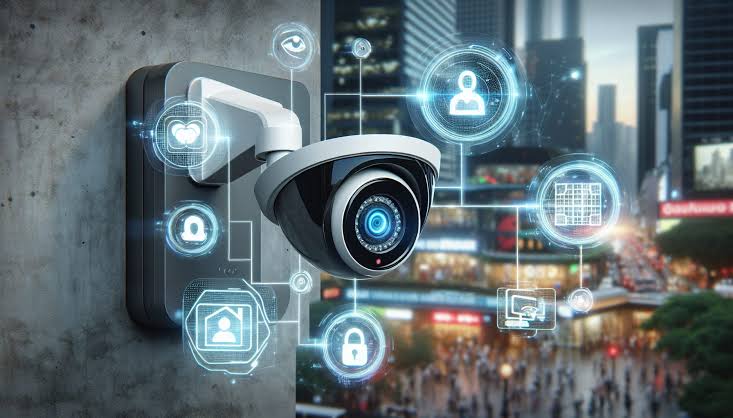
    Artificial intelligence (AI) is revolutionizing surveillance technology, making security systems smarter, faster, and more efficient.

    The Role of AI in Modern Surveillance Systems

    Read More: How to Integrate Your Surveillance System with Smart Home Devices

    AI-powered surveillance enhances safety by automating threat detection, improving video analysis, and reducing human error. Here’s how AI is transforming modern surveillance systems.

    1. Facial Recognition for Enhanced Security

    The Role of AI in Modern Surveillance Systems

    Read More: How to Keep Your Surveillance System Secure from Hackers

    AI-driven facial recognition can identify individuals in real time, making it useful for law enforcement, businesses, and residential security. This technology helps detect unauthorized persons, track repeat offenders, and grant access to authorized individuals.

    2. Motion Detection and Smart Alerts

    Traditional surveillance systems rely on continuous recording, which can be inefficient. AI improves this by detecting movement patterns, distinguishing between humans, animals, and objects, and sending real-time alerts only when suspicious activity is detected.

    3. Behavioral Analysis and Threat Prediction

    The Role of AI in Modern Surveillance Systems

    Advanced AI algorithms analyze behavior patterns to identify potential threats. For example, AI can detect loitering, aggressive movements, or unusual activities and trigger alerts before a crime occurs, allowing for proactive security measures.

    4. License Plate Recognition (LPR)

    The Role of AI in Modern Surveillance Systems

    AI-powered cameras can read and store license plate information, making them ideal for parking management, toll collection, and tracking suspicious vehicles. This technology is widely used in law enforcement and commercial security applications.

    5. Automated Video Summarization

    Reviewing hours of footage can be time-consuming. AI simplifies this by summarizing key events, allowing security personnel to focus on important moments rather than sifting through unnecessary footage.

    6. Integration with Smart Home and IoT Devices

    Read More: The Best Practices for Monitoring and Maintaining Your Surveillance System

    AI-powered surveillance systems can integrate with smart home devices, automatically locking doors, adjusting lighting, or triggering alarms in response to detected threats. This seamless automation enhances home security.

    Conclusion

    AI is transforming surveillance by making it more intelligent and responsive. Features like facial recognition, motion detection, and behavioral analysis improve security while reducing false alarms. As AI continues to evolve, surveillance systems will become even more efficient, making homes and businesses safer than ever.

  • How to Integrate Your Surveillance System with Smart Home Devices

    How to Integrate Your Surveillance System with Smart Home Devices

    Modern surveillance systems can do more than just record footage—they can seamlessly integrate with smart home devices for enhanced security and convenience.

    How to Integrate Your Surveillance System with Smart Home Devices

    Read More: The Pros and Cons of Wireless vs. Wired Surveillance Systems

    By connecting cameras, sensors, and automation tools, you can create a more responsive and intelligent security setup. Here’s how to integrate your surveillance system with smart home devices effectively.

    1. Choose a Compatible Surveillance System

    How to Integrate Your Surveillance System with Smart Home Devices

    Read More: How to Keep Your Surveillance System Secure from Hackers

    Not all cameras and security systems work with smart home platforms. Ensure your surveillance system supports Google Home, Amazon Alexa, Apple HomeKit, or SmartThings for smooth integration. Look for features like voice control, motion detection, and remote access.

    2. Connect to a Smart Hub or App

    A smart home hub, such as Amazon Echo, Google Nest Hub, or Samsung SmartThings, allows you to manage multiple devices from a single interface.

    How to Integrate Your Surveillance System with Smart Home Devices

    Read More: The Legal Considerations of Installing Surveillance Cameras

    Most surveillance cameras come with companion apps that let you control security settings, view live footage, and receive notifications.

    3. Enable Automation for Better Security

    How to Integrate Your Surveillance System with Smart Home Devices

    Smart surveillance goes beyond simple monitoring. You can automate responses to security threats, such as:

    • Motion-triggered lighting: When a camera detects movement, smart lights turn on to deter intruders.
    • Automated locks: If an unknown person is detected, smart locks can secure doors.
    • Alarm integration: Your system can trigger an alarm when unusual activity is recorded.

    4. Use Voice Commands for Hands-Free Control

    AI assistants like Alexa, Google Assistant, and Siri allow voice commands to check security status. You can say, “Show me the front door camera” or “Turn on security mode” for instant access to surveillance feeds.

    5. Access Footage Remotely

    Cloud-connected security cameras let you monitor your home from anywhere via smartphone apps. Features like two-way audio allow you to speak to visitors, even if you’re not home.

    Conclusion

    Integrating your watching system with smart home devices enhances security, convenience, and automation. With smart hubs, automation, and remote access, you can build a more responsive security system that works seamlessly with your daily life.

  • The Pros and Cons of Wireless vs. Wired Surveillance Systems

    The Pros and Cons of Wireless vs. Wired Surveillance Systems

    Choosing between wireless and wired surveillance systems is an important decision when setting up security for your home or business.

    The Pros and Cons of Wireless vs. Wired Surveillance Systems

    Read More: How to Keep Your Surveillance System Secure from Hackers

    Both options have advantages and drawbacks, depending on your needs. Here’s a breakdown to help you decide.

    1. Wired Surveillance Systems

    Wired Surveillance Systems

    Pros:

    • Stable Connection: Wired systems don’t rely on Wi-Fi, ensuring uninterrupted video feeds.
    • Higher Video Quality: Provides consistent high-definition footage without interference.
    • Better Security: Less vulnerable to hacking compared to wireless systems.
    • Reliable Power Supply: Direct power connection eliminates the need for battery replacements.

    Cons:

    • Complex Installation: Requires drilling, cable management, and professional setup.
    • Limited Flexibility: Once installed, relocating cameras can be difficult.
    • Higher Cost: May require extra labor and materials for wiring.

    2. Wireless Surveillance Systems

    Wireless Surveillance Systems

    Read More: The Legal Considerations of Installing Surveillance Cameras

    Pros:

    • Easy Installation: No need for extensive wiring—simply mount and connect to Wi-Fi.
    • Flexible Placement: Can be moved easily without the hassle of cables.
    • Remote Access: Footage can be accessed and controlled via smartphone apps.
    • Smart Home Integration: Works with AI assistants and other smart devices.

    Cons:

    • Wi-Fi Dependent: Signal interference or outages can affect video quality.
    • Battery Maintenance: Some cameras require frequent battery replacements.
    • Hacking Risks: Wireless networks can be vulnerable to cyberattacks.
    • Limited Recording Time: May rely on cloud storage with subscription fees.

    Which One Should You Choose?

    • If you want a stable, long-term security solution, go for a wired system.
    • If you need flexibility and remote access, a wireless system is the better choice.
    • For hybrid security, consider a combination of both wired and wireless cameras.

    Conclusion

    Both wired and wireless surveillance systems have their advantages. Your decision should be based on reliability, budget, ease of installation, and security needs. A well-chosen system ensures maximum protection for your home or business.

    Wireless systems, on the other hand, are perfect for users who prefer easy installation, flexibility, and remote access. They work well for renters, small businesses, or homeowners who need a simple, scalable security solution. However, they come with risks such as Wi-Fi interference and potential hacking threats.

  • How to Keep Your Surveillance System Secure from Hackers

    How to Keep Your Surveillance System Secure from Hackers

    As surveillance technology advances, so do the threats associated with hacking and unauthorized access.

    How to Keep Your Surveillance System Secure from Hackers

    Read More: The Legal Considerations of Installing Surveillance Cameras

    A poorly secured surveillance system can be vulnerable to cyberattacks, compromising your privacy and security. Follow these best practices to keep your surveillance system protected from hackers.

    1. Change Default Login Credentials

    Most surveillance cameras and security systems come with default usernames and passwords, which hackers can easily exploit.

    How to Keep Your Surveillance System Secure from Hackers

    Read More: The Best Practices for Monitoring and Maintaining Your Surveillance System

    Immediately change these credentials to a strong, unique password that includes a mix of uppercase and lowercase letters, numbers, and symbols.

    2. Keep Firmware and Software Updated

    Read More:

    Manufacturers regularly release updates to fix security vulnerabilities. Ensure your camera firmware, mobile apps, and security system software are always up to date to protect against the latest threats.

    3. Use a Secure Network Connection

    How to Keep Your Surveillance System Secure from Hackers

    If your system relies on Wi-Fi, make sure your router is secure by:

    • Changing the default router password
    • Enabling WPA3 or WPA2 encryption
    • Disabling remote management to prevent unauthorized access
    • Setting up a separate network for security devices

    4. Enable Two-Factor Authentication (2FA)

    How to Keep Your Surveillance System Secure from Hackers

    Many modern surveillance systems offer two-factor authentication (2FA), which requires an additional verification step (such as a mobile code) before granting access. Enabling 2FA significantly reduces the risk of unauthorized access.

    5. Disable Unnecessary Remote Access

    While remote access is convenient, it can also be a security risk. Limit remote access to only necessary devices and users. If you don’t need remote viewing, disable it completely.

    6. Encrypt Your Surveillance Data

    For extra security, choose cameras and systems that support end-to-end encryption. This ensures that even if someone intercepts your video feed, they won’t be able to view the footage.

    7. Regularly Monitor System Logs

    Check your system’s access logs for suspicious activity, such as unauthorized login attempts or unusual device connections. If you detect anything unusual, take immediate action by changing passwords and reviewing security settings.

    Conclusion

    Keeping your surveillance system secure requires proactive measures such as strong passwords, firmware updates, network security, and encryption. By implementing these strategies, you can protect your home or business from cyber threats while maintaining control over your surveillance system.

  • The Legal Considerations of Installing Surveillance Cameras

    The Legal Considerations of Installing Surveillance Cameras

    The Legal Considerations of Installing Surveillance Cameras

    Read More: The Best Practices for Monitoring and Maintaining Your Surveillance System

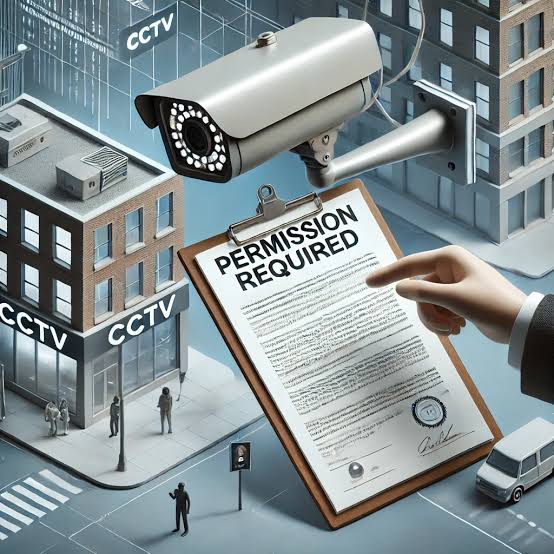
    Installing surveillance cameras can enhance security for homes and businesses, but it’s essential to comply with legal regulations to avoid privacy violations. Understanding the laws governing surveillance systems can help you stay within legal boundaries while protecting your property.

    1. Know Your Local Laws

    Know Your Local Laws

    Read More: Innovations in Surveillance Technology: What’s Next?

    This laws vary by country, state, or city. Some areas require signs indicating video recording, while others restrict camera placement. Research local regulations to ensure compliance with:

    • Consent laws for recording audio
    • Public vs. private space laws
    • Employer obligations for workplace surveillance

    2. Avoid Recording in Private Areas

     Avoid Recording in Private Areas

    Read More: CCTV Surveillance Systems – Ensure Safety and Security!

    It is illegal in most jurisdictions to install cameras in places where people expect privacy, such as:

    • Bathrooms
    • Bedrooms
    • Changing rooms
    • Neighboring properties

    Ensure your cameras only cover areas within your legal property boundaries.

    3. Notify People About Surveillance

    For commercial or workplace surveillance, employees and customers should be notified about security cameras. Some locations legally require businesses to post visible signage informing individuals that they are under surveillance.

    4. Understand Audio Recording Laws

    Audio surveillance laws differ from video regulations. In some states, you must obtain consent from all parties before recording conversations. Always check local laws before enabling audio recording on your security system.

    5. Use Surveillance Footage Responsibly

    The Legal Considerations of Installing Surveillance Cameras

    Even if you legally capture footage, using it inappropriately—such as sharing recordings without consent—can lead to legal consequences. Store footage securely and only use it for security purposes or law enforcement reporting.

    6. Avoid Illegal Surveillance of Employees

    Employers must balance security with privacy rights. Some laws require businesses to inform employees about workplace monitoring, and in certain cases, continuous surveillance may be deemed unlawful.

    Conclusion

    While smart cameras provide security benefits, it’s crucial to follow privacy laws, obtain necessary consent, and avoid recording in private areas. Whether for home or business use, staying informed about legal requirements ensures your surveillance system protects you without violating privacy rights.

  • The Best Practices for Monitoring and Maintaining Your Surveillance System

    The Best Practices for Monitoring and Maintaining Your Surveillance System

    The Best Practices for Monitoring and Maintaining Your Surveillance System

    Read More: DIY Solar Power System Installation Guide

    A surveillance system is only effective if it is properly monitored and maintained. Regular checks and system updates bensure that your security cameras function optimally, providing reliable protection for your home or business. Here are the best practices to keep your surveillance system in top shape.

    1. Regular System Checks

    Read More: Tricks to Enable Playing High-end Games on a Low-end PC

    Surveillance cameras can experience issues over time, such as poor video quality or connection failures. Schedule weekly or monthly system checks to:

    • Ensure cameras are operational
    • Verify video clarity and angle coverage
    • Check for loose wiring or physical damage

    2. Keep Firmware and Software Updated

    Keep Firmware and Software Updated

    Manufacturers release software updates to fix bugs and improve security. Keep your camera firmware, mobile apps, and monitoring software up to date to protect against cyber threats and ensure compatibility with the latest technology.

    3. Clean Camera Lenses for Clear Footage

    Dirt, dust, and weather conditions can blur camera lenses, reducing video quality. Gently clean lenses with a microfiber cloth and non-abrasive cleaner to maintain sharp footage.

    4. Ensure Proper Camera Placement

    Over time, environmental factors or accidental adjustments can shift camera angles. Reposition cameras if needed to cover key areas, ensuring there are no blind spots.

    5. Check Storage and Backup Systems

    Regularly review your storage settings to prevent data loss. Best practices include:

    • Clearing old footage to free up space
    • Ensuring cloud storage is functional
    • Backing up critical recordings on an external hard drive or server

    6. Monitor for Unauthorized Access for Surveillance

    Surveillance systems

    Hackers can target security systems, compromising privacy. To prevent unauthorized access:

    • Use strong passwords and enable two-factor authentication
    • Regularly review access logs
    • Disable remote access if not needed

    7. Test Alerts and Notifications For Surveillance

    Surveillance systems

    Read More: IoT-Enabled Remote Monitoring of Manufacturing Operations

    Ensure your system’s motion detection and alert features work properly by conducting test runs. This prevents missed security breaches due to malfunctioning alerts.

    Conclusion

    Routine monitoring and maintenance are essential to keep your surveillance system working efficiently. By following these best practices, you can ensure your cameras provide reliable security, clear footage, and strong cybersecurity protections for years to come.

  • Innovations in Surveillance Technology: What’s Next?

    Innovations in Surveillance Technology: What’s Next?

    Surveillance technology is evolving rapidly, integrating AI, biometrics, and cloud computing to improve security and efficiency.

    Innovations in Surveillance Technology: What's Next?

    Read More: IoT-Enabled Remote Monitoring of Manufacturing Operations

    These advancements are making surveillance systems smarter, more proactive, and highly automated. Here’s a look at the key innovations shaping the future of security.

    1. AI-Powered Surveillance

    AI-Powered Surveillance

    Artificial intelligence (AI) is revolutionizing surveillance with real-time threat detection and automated monitoring. AI-driven cameras can:

    • Identify suspicious behavior and send instant alerts
    • Recognize faces, objects, and license plates with high precision
    • Reduce false alarms by distinguishing between real threats and harmless movements

    AI analytics also enable predictive security, helping businesses and law enforcement prevent crimes before they happen.

    2. Facial Recognition and Biometrics

    Facial Recognition and Biometrics

    Facial recognition is becoming more sophisticated, allowing:

    • Access control based on stored profiles
    • Automated identification of suspects in public spaces
    • Workplace security improvements through biometric authentication

    Despite its benefits, facial recognition raises privacy concerns, leading to ongoing debates and regulatory restrictions.

    3. Cloud-Based Surveillance

    Traditional DVR-based storage is being replaced by cloud surveillance, offering:

    • Remote access to live and recorded footage
    • Enhanced cybersecurity through encryption and automatic backups
    • Scalability, making it ideal for businesses and smart homes

    Cloud systems also integrate with AI for advanced data analysis and real-time alerts.

    4. 4K and Smart HD Cameras

    High-resolution 4K cameras improve security with:

    • Clearer images for detailed facial and license plate recognition
    • Advanced night vision for 24/7 monitoring
    • Wide-angle views to reduce blind spots

    Some smart cameras even self-adjust to lighting conditions and track movements automatically.

    5. Smart Drones for Surveillance

    Smart Drones for Surveillance

    Read More: AI in Predictive Supply Chain Analytics for Demand Planning

    Drones are enhancing perimeter security, traffic monitoring, and emergency response. Equipped with thermal imaging and AI, they provide live aerial surveillance in high-risk areas.

    Conclusion

    Surveillance is shifting from passive monitoring to intelligent security with AI, biometrics, and drones leading the way. While these innovations enhance protection, they also raise ethical concerns about privacy and data security. As technology advances, the challenge will be balancing safety with responsible practices.

  • CCTV Surveillance Systems – Ensure Safety and Security!

    CCTV Surveillance Systems – Ensure Safety and Security!

    Please leave us your WhatsApp or Telegram phone number here
    Please tell us how many places you would want cameras to be mounted

    In today’s fast-paced world, security is of utmost importance. Whether it’s for residential or commercial properties, having a reliable CCTV surveillance system in place is essential to protect your assets and loved ones. This is where CCTV surveillance systems come into play.

    Closed Circuit Television (CCTV) surveillance systems provide round-the-clock monitoring and recording of activities within a designated area.

    CCTV installation

    These systems have become increasingly popular due to their effectiveness in deterring criminal activities and providing valuable evidence in the event of an incident.

    CCTV installation

    One of the leading providers of top-notch CCTV surveillance systems is Smartech A.T Limited. With our expertise in installation and maintenance, we offer a comprehensive range of services to meet your security needs.

    solar based CCTV camera

    Why should you consider investing in a CCTV surveillance system? Firstly, it acts as a powerful deterrent against potential intruders or criminals. The presence of visible cameras sends a clear message that your property is protected and closely monitored. This alone can significantly reduce the risk of break-ins or vandalism.

    CCTV camera installation

    Moreover, CCTV surveillance systems provide real-time monitoring, allowing you to keep an eye on your property remotely. Whether you are at work or on vacation, you can access the live feed through your smartphone or computer, providing peace of mind and the ability to respond promptly to any suspicious activity.

    CCTV camera installation

    Smartech A.T Limited offers a range of CCTV surveillance systems tailored to suit different requirements. Their team of skilled professionals ensures seamless installation and provides ongoing maintenance to ensure optimal performance. With their cutting-edge technology and commitment to customer satisfaction, Smartech A.T Limited is the ideal choice for all your security needs.

    CCTV camera installation

    In conclusion, investing in a CCTV surveillance system is crucial for maintaining the safety and security of your property. Smartech A.T Limited’s expertise in installation and maintenance makes them the go-to provider for reliable and effective security solutions. Don’t compromise on your safety – choose Smartech A.T Limited for peace of mind.

    Please leave us your WhatsApp or Telegram phone number here
    Please tell us how many places you would want cameras to be mounted

    Make that change today! Secure Your Home.