Since his comeback, Piggy has hatched his most evil scheme yet. What additional brand-new bad guys are coming? Whom do they all belong to? And who will volunteer to defend the city when thugs destroy our Supa Buddies? Dog Man: Twenty Thousand Fleas Under the Sea is full of action and humor, with themes of friendship and doing good. containing “Chomp-O-Rama,” a brand-new song, a terrifying Mighty Mite, and a lot more than ever before! The Twenty Thousand Fleas Under the Sea children’s book is epic and heroic!
Book cover, Twenty Thousand Fleas Under the Sea Children’s book
About the Author of Twenty Thousand Fleas Under the Sea – Dav Pilkey
Dav Pilkey was given an ADHD and dyslexia diagnosis when he was a young child. Dav’s behavior in class caused his teachers to have him spend every day outside in the hallway. Fortunately, Dav enjoyed drawing and making up stories. He spent his time drawing his own unique comic books in the corridor, including the very first tales of Dog Man and Captain Underpants. Dav met a professor in college who inspired him to write and draw. In 1986, he took first place in a nationwide competition, and the award was the release of his debut book, World War Won. Before receiving the 1998 California Young Reader Medal for his 1994 novel Dog Breath, which also earned him the 1997 Caldecott Award, he produced a number of additional works.
Twenty Thousand Fleas Under the Sea Book Information
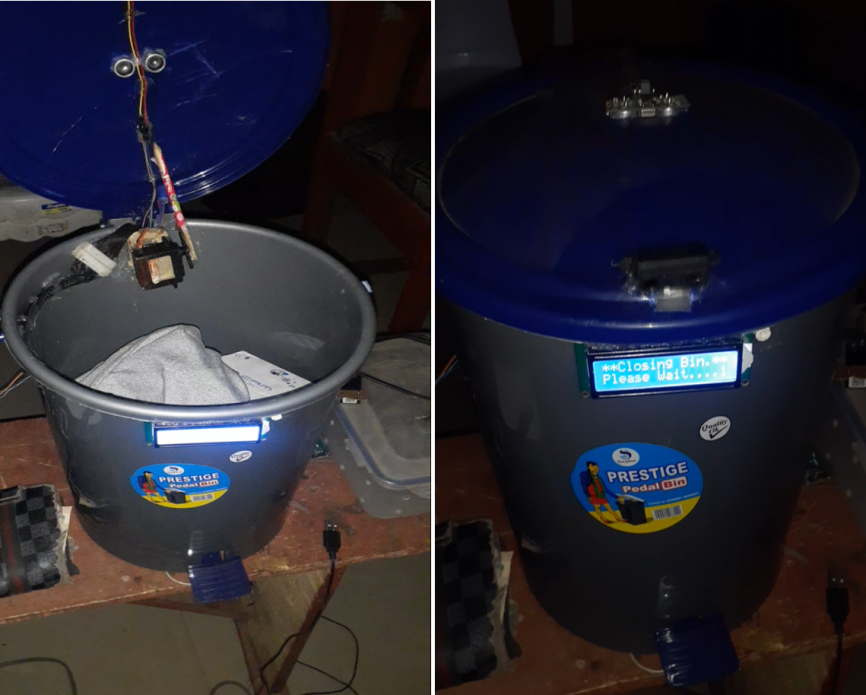
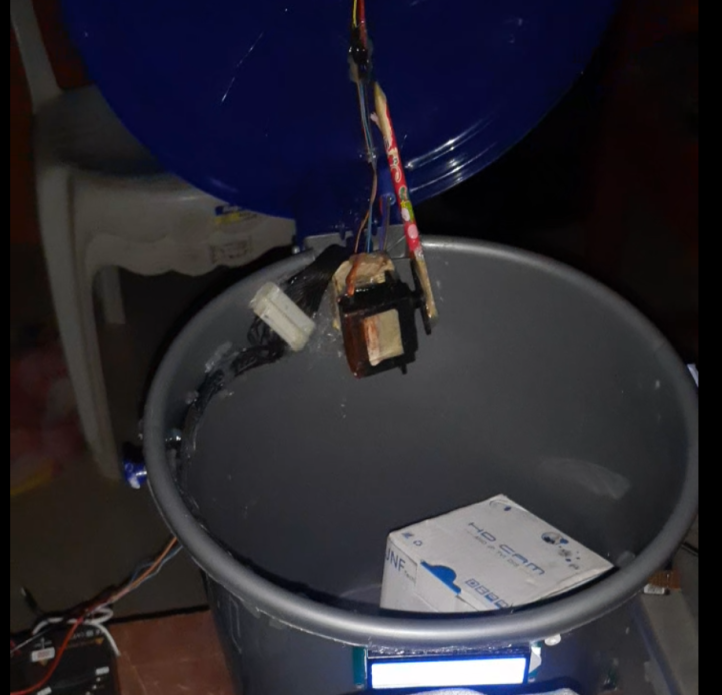
We have developed a Smart Automatic Trash Basket that can detect the presence of people and open automatically, allowing for contact-free trash disposal. The bin is also smart enough to check the depth of the trash inside it. Once the bin is full, it will not open automatically again. Instead, it will emit a beeping sound and direct people to use the next available smart bin or check back later. The bin will also notify waste managers to come and dispose of its contents via SMS and calls. The project design uses electronic components that are inexpensive and easily available in the market.
Smart Automatic Trash Basket
Components used for this project.
1602 LCD
Real Time clock (RTC) module DS3233 type
Servo motor MG997R
Sharp Infrared sensor Module GX1080 model
Sim800L GSM module
Piezo speaker
LCD wires
Some stranded wires
Arduino Uno, or Nano or Standalone Atmega328P board.
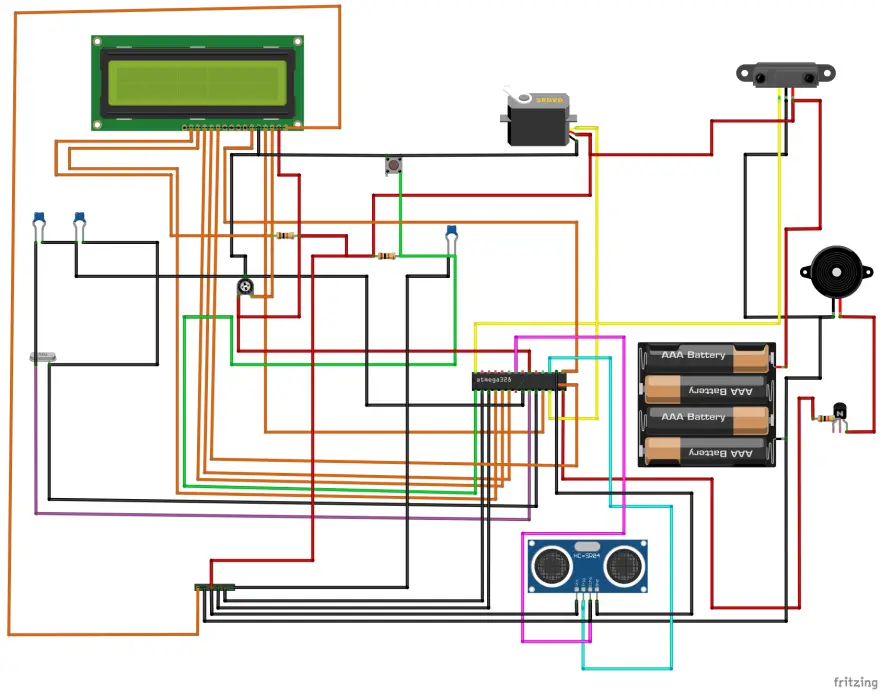
Schematic Diagram for the Smart Automatic Trash Basket
The above diagram shows the connection of the microcontroller (MCU) to the sensors. The MCU is using its ADC pins to take the readings. The project has uses an Atmega328P IC chip which is the brain of the project. The rest of the project is connected as peripherals to the project design. This is the standalone dev board, you can order for the copy of the PCB dev board on our website here. You can equally achieve this using your Arduino Nano or Arduino Uno board. The same thing applies to the whole circuitry.
For clocking speed synchronization, the 16MHz crystal oscillator connected at pin 9 and 10 of the Atmega329P IC was used. This, however, doesn’t mean the IC performs program executions this fast. A pair of 22-pF mica capacitors were used to suppress the noise generated by the switch of the internal transistors of the Atmega328P IC. But the Atmega328P IC has a hardware rest pin (pin 1); for this, a pull-up resistor was used to connect to pin 1 of the IC. This is an active LOW pin, and the 10k pull-up resistor supplies a steady 5V HIGH logic to this pin. This pin would reset the program in the programmable Atmeag328P IC when pulled LOW (to the 0V potential). To achieve this reset mode, we connected a momentary pushbutton to pin 1 of the IC chip. This would pull the 5V supply to the ground when depress. But since it is a monostable switch, it would return to its stable state when released. This, in turn, allows the IC to continue its program functions.
The circuit diagram uses the 1602 LCD as display. The LCD module is connected using the 4-bit method as opposed to the 8-bit method. The RS pin is connected to digital pin 10, and the E pin is connected to pin 9.
Programming the Sensors
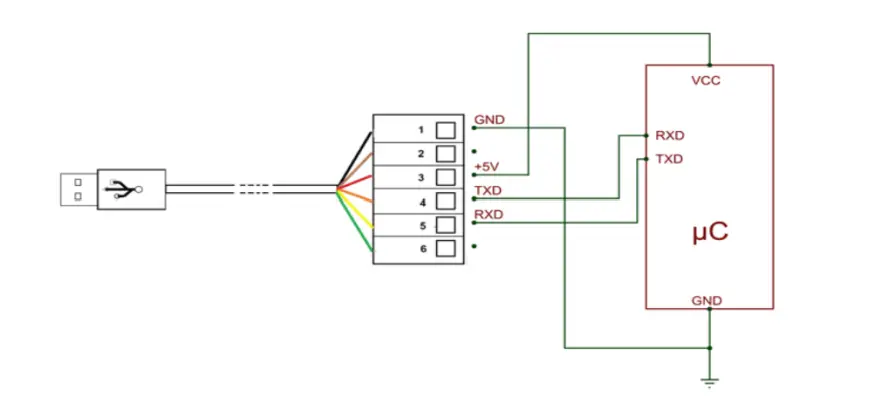
The program for the hardware part of the project design was written in C and C++ language; using the Arduino Integrated Environment (IDE). To burn (convert to machine language) these programs into the Atmega328P standalone development board, we used the FTDI ISP programmer as shown in the picture above. You can order a copy of the FTDI programmer from our online shop.
Source Code (Arduino Sketch)
#include <SharpIR.h>
#include <SerialGSM.h>
#include <LiquidCrystal.h>
#include <SoftwareSerial.h>
#include <Servo.h>
#include "RTClib.h"

RTC_DS3231 rtc;
char daysOfTheWeek[7][12] = {"Sunday", "Monday", "Tuesday", "Wednesday", "Thursday", "Friday", "Saturday"};

SerialGSM cell(2,3);

char* recepient = "XXXXXXXXXXX";
char aux_string[30];
char phone_number[15];
char received[15];
int length = 11;


// initialize the library with the numbers of the interface pins
LiquidCrystal lcd(10, 9, 16, 17, 11, 15);
//Create a new instance of the library
//Call the sensor "sensor"
//The model of the sensor is "GP2YA41SK0F"
//The sensor output pin is attached to the pin A0
SharpIR sensor( SharpIR::GP2Y0A41SK0F, A0 );


const int trigPin = 6; // Trigger Pin of Ultrasonic Sensor
const int echoPin = 7; // Echo Pin of Ultrasonic Sensor
long duration;
float distance;
String SMS;
boolean sendonce = true;
bool waitTime, firstReminder = false;
bool State = LOW;
bool flag = true;
float cm;
int y;
unsigned int HighByte =0;
unsigned int LowByte = 0;
unsigned int Len =0;
#define piezo 12
Servo myservo;

bool close_bin(int steps = 10, int wait = 10){
  lcd.setCursor(0,0);
  lcd.print("**Closing Bin.***   ");
  lcd.setCursor(0,1);
  lcd.print(" Please Wait....");
  //delay(500);
  for (int pos = 50; pos <= 180; pos += steps) { // goes from 0 degrees to 180 degrees in steps of 1 degree
    myservo.write(pos);              // tell servo to go to position in variable 'pos'
    delay(wait);                       // waits for the servo to reach the position
  }
  delay(1000);
  return false;
}


bool open_bin(int steps = 10, int wait = 10, int count = 5){
  lcd.setCursor(0,0);
  lcd.print("**Opening Bin.***   ");
  lcd.setCursor(0,1);
  lcd.print(" Please Wait....");
  for (int pos = 180; pos >= 50; pos -= steps) { // goes from 180 degrees to 0 degrees
    myservo.write(pos);              // tell servo to go to position in variable 'pos'
    delay(wait);                       // waits for the servo to reach the position
  }
  delay(500);
  lcd.setCursor(0,0);
  lcd.print("                     ");
  while(count > 0){
    lcd.setCursor(8,0);
    lcd.print(count);
    count -= 1;
    delay(1000);
  }
  return false;
}


void sendSMSALert(){
cell.Rcpt(recepient);
    delay(500);
     Serial.print("Sending mesage to: ");
    Serial.println(recepient);
    cell.Message("***SMART BIN ALERT***\n__BIN FULL!__\n Trash Basket at Location Wiston and 5th is full. PLS kindly quickly dispose\nEnd of Report!\nHave a Nice Day.");
          delay(1000);
          cell.SendSMS();
  }

bool motion(int average = 10){
  int distance = 0;
  for(int x = 0; x<= average; x++){
  distance += sensor.getDistance();
  }
  distance /= average;
  Serial.println(distance);
  if (distance <= 5){
    return true;
  }
  else{return false;}
}


int waste_volume(){
  DateTime now = rtc.now();
  digitalWrite(trigPin, LOW);
delayMicroseconds(2);
digitalWrite(trigPin, HIGH);
delayMicroseconds(10);
digitalWrite(trigPin, LOW);
duration = pulseIn(echoPin, HIGH);
distance = duration*0.034/2.0;


}

void Date_TIME(){
    DateTime now = rtc.now();
    lcd.setCursor(0, 1);
    lcd.print("DATE: ");
    lcd.print(now.day(), DEC);
    lcd.print('/');
    lcd.print(now.month(), DEC);
    lcd.print('/');
    lcd.print(now.year(), DEC);
    lcd.print("           ");
    lcd.setCursor(0, 0);
    lcd.print("TIME: ");
    lcd.print(now.hour(), DEC);
    lcd.print(':');
    lcd.print(now.minute(), DEC);
    lcd.print(':');
    lcd.print(now.second(), DEC);
     lcd.print("   ");
    }


void setup() {
 Serial.begin(9600);
pinMode(trigPin, OUTPUT);
pinMode(echoPin, INPUT);
 cell.begin(9600);
 cell.Verbose(true);
cell.FwdSMS2Serial();
  delay(2000);
 pinMode(13, OUTPUT);
 pinMode(piezo, OUTPUT);
 myservo.attach(8);

  if (! rtc.begin()) {
  lcd.setCursor(0, 0);
    lcd.print("Can't find RTC");
    delay(3000);
    while (1);
  }


  if (rtc.lostPower()) {
    lcd.setCursor(0, 0);
    lcd.print("RTC lost power!");
    // following line sets the RTC to the date & time this sketch was compiled
    rtc.adjust(DateTime(F(__DATE__), F(__TIME__)));
    delay(3000);
  }

 myservo.write(180);

 lcd.begin(16, 2);
  lcd.setCursor(3, 0);
  lcd.print("  WELCOME");
  delay(1000);
   lcd.setCursor(2, 0);
  lcd.print("  SMART BIN");
  lcd.setCursor(3, 1);
  lcd.print("  PROJECT");
  delay(2000);
  lcd.clear();
  }


void loop() {
waste_volume();
 DateTime now = rtc.now();

Serial.print("dist: ");
Serial.print(distance);
Serial.println(" cm");
y = map(distance, 4.15, 26.20, 100, 0);
y = constrain(y, 0, 100);
Serial.print("y = ");
Serial.println(y);
delay(200);

 int a = (constrain(now.second(), 0, 5));
int b= (constrain(now.second(), 11, 15));
int c= (constrain(now.second(), 21, 25));
int d=(constrain(now.second(), 31, 35));
int e=(constrain(now.second(), 41, 45));
int f= (constrain(now.second(), 51, 55));

 if(distance >= 4.39){
  if(motion() == true){
    open_bin();
    close_bin(1, 20);
    }
  digitalWrite(piezo, LOW);
}


if((flag == true) && (motion != true)){
  digitalWrite(piezo, LOW);
    if((now.second()==a)||(now.second()==b)|| (now.second()==c)|| (now.second()==d)||(now.second()==e)|| (now.second()==f)){
    Date_TIME();
  }
    else{
   lcd.setCursor(0, 0);
  lcd.print("   SMART BIN    ");
    lcd.setCursor(0, 1);
   lcd.print("WASTE LEVEL:");
        if(y<100){
        lcd.print(" ");
          }
        lcd.print(y);
         lcd.print("%");
  }
 }
if((distance < 4.99) && (motion() == true)){
  lcd.setCursor(0, 0);
  lcd.print("SORRY SMART BIN");
    lcd.setCursor(0, 1);
   lcd.print("......FULL......");
   digitalWrite(piezo, HIGH);

  if((now.minute() == 30) || (now.minute() == 59)){
    waitTime = true;
    Serial.println(now.minute());
    sendSMSALert();
    waitTime = false;
    }
}
while ((distance < 4.99) && (firstReminder == false)){
  sendSMSALert();
  firstReminder = true;
}
 }
Code Explanation of Smart Automatic Trash Basket
In the beginning of the code we imported different libraries that was necessary for this particular design. On line 1, we imported the sharpIR library (lib) which is responsible for taking accurate measurement by the infrared distance sensor. At line three, we imported the serial GSM library known as SerialGSM.h. the .h format shows that it is a header file. Next, with the software serial lib to detect or to call where we connected the GSM module pin. So since we used a servo motor for this particular design, we included a Servo library also and also the Real time Clock (RTC) library. Here, we are using an RTC type ds3231. Next, we defined the days of the week in a dictionary or string array type. Our serial GSM shows which of the microcontroller pins we connected the transmit and receive pins of the GSM module. We connected the transmit pain to the Digital pin of a microcontroller and receiver pin to do digital three on a microcontroller. A string character was declared to take the recipient’s phone number. The use of the LCD 16 by 2 module was very important and for its use, we are going to be using the four bits communication protocol. This means that it is going to be using for digital pins on the microcontroller for data transmission; another digital pin for registered select and one digital pin for enable. Our infrared distance sensor is connected to the analog pin of the microcontroller and this is the analog pin zero (A0). To detect the distance or the height of the waste in the bin basket, ultrasonic sensor pins the trigger pin and echo were connected to digital pin 6 and 7 respectively on the microcontroller. A string type of character known as SMS was defined and we used a boolean algebra to set true for only sending once the SMS to waste management. W created the function called closebin; in this we used a for Loop to move the servo through an angle of 0 to 80 degrees. Another function known as open_bin() was created to do the reverse of this Close_bin(). This time, in a delay increment of 10 MS. Since the smart bin was supposed to open and hold for 5 seconds a countdown of 5 Seconds was to be displayed on the screen.
This was taken care of by the while loop count to print from 1 to 5 in a countdown order. Once the number hits zero on the LCD screen, the lid is automatically closed by the microcontroller. Another function known as sendSMS alert was used to send SMS about the status of the trash. This SMS will contain the level of the trash; that is, if it is full and a location of where the smart bin was located. A function known as motion() was used to detect the presence of human being in front of the smart bin design. In it we used the for Loop to get distance between the person and the infrared distance sensor. On taking average measurements of various distance of object or human beings that emitted infrared radiation. If the distance was less than or equal to 5 cm, the motion sensor will return true boolean logic to the microcontroller and this will then check if the big basket has enough empty space to collect waste. If it did, it will open and user will dispose off his waste. The waste volume function uses the trigger and echo pins to take measurements of the volume of waste in the smart bin.
Construction & Assembly of the Smart Automatic Trash Basket
The construction of the Smart Bin design was done using soldering and coupling of active circuits. The soldering was done on the VERO Board using a 40-watt soldering iron, and the components were properly arranged by following the designed circuit diagram of the project.
Thinning
Thinning involves the smooth scrapping of terminal components, either by knife or sand paper, before and after soldering.
Soldering
Soldering involves the joining of the conductors or component terminals to the circuit board by means of soldering iron and soldering lead. This process was carried out after the terminals of the component had been thinned and positive results had been obtained from the testing of the component.
Assembly of Components
The number of components determined the size of the VERO board used, and in dimensioning the size of the board, allowance is given for the arrangement if the need arises.
Testing of Smart Automatic Trash Basket
The project design worked as expected. It was performed as we programmed and optimized it to be. The wastes that was usually littered around trash baskets when they were filled up has been curbed since the trash basket doesn’t open for users but instead notifies them that it is currently full and is waiting for the waste management team to come and dispose of its content and they users can check back later.
Conclusion
Having achieved a smart bin that has the capacity of detecting the presence of human beings, opening the lead with no contact whatsoever and allowing people to dispose of trash effectively. The Smart Automatic Trash Basket project will be smart enough to check the depth of the trash that is inside it; then once full, the bin won’t automatically open again for people to dispose of trash. But rather would send a beeping sound and direct them via their smart LCD screen to use the next available smart bin or check back later. Finally, it will notify the waste managers to come and dispose off its content.
As the highly anticipated Android 14 gears up for its stable release, Google is shedding light on its groundbreaking cellular networkconnectivity security features. In a bid to ensure user safety against network vulnerabilities, the Android Security Model takes a proactive approach by assuming all networks are potentially hostile. This approach guards against network packet injection, tampering, and eavesdropping on user traffic.
Disabling 2G Connectivity: Evolution of a Feature
2G cellular network
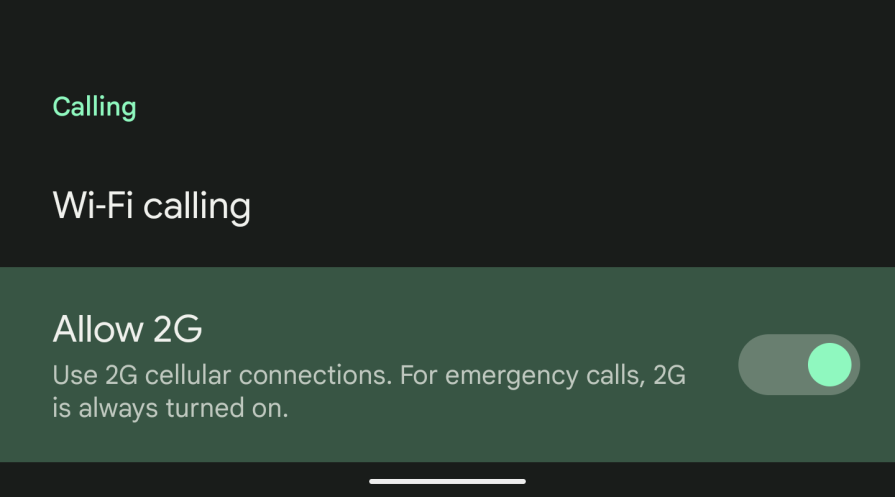
With the launch of Android 12, Google took a pivotal step by introducing the “Allow 2G” toggle. Initially found on Pixel devices under Settings > Network & internet > SIM(s), this toggle empowers users to deactivate 2G at the modem level. The Pixel 6 was the trailblazer in adopting this feature, which is now extended to all Android devices adhering to Radio HAL 1.6 and beyond.
The 2G Challenge: An Unforeseen Dilemma
In regions like the United States, major carriers have already phased out their 2G networks. However, existing mobile devices still retain 2G support. This poses a challenge, as mobile devices automatically connect to 2G networks whenever available, even in scenarios where downgrading to 2G is risky. Malicious actors can exploit this vulnerability, triggering devices to downgrade to 2G-only connectivity. This behavior remains consistent regardless of whether local operators have sunset their 2G infrastructure.
Fortifying Against 2G Vulnerabilities: Android 14 Steps In
In Android 14, administrators of Android Enterprise-managed business and government devices are empowered to thwart potential 2G vulnerabilities. They gain the ability to restrict a device’s capacity to downgrade to 2G connectivity. This flexibility extends to keeping the 2G radio permanently off or safeguarding employees during travel to high-risk zones. These proactive measures serve as a counter to 2G traffic interception and Person-in-the-Middle attacks.
Enhancing Security Through Modem-Level Measures
Android 14 introduces a novel setting aimed at strengthening security by disabling support for null-ciphered connections at the modem level. This feature is available for devices adopting the latest radio HAL (hardware abstraction layer). Google anticipates widespread adoption of this measure over the coming years, as Android OEMs incorporate it into their devices.
Guarding Against Vulnerabilities in Cellular Networks
While Android’s IP-based user traffic enjoys robust protection and end-to-end encryption (E2EE), certain vulnerabilities persist within cellular networks. Specifically, circuit-switched voice and SMS traffic remain exposed. These traffic types rely solely on the cellular link layer cipher, controlled entirely by the network.
Null Ciphers: A Potential Threat to Cellular Security
The use of null ciphers in commercial networks opens the door to potential threats. Voice and SMS traffic, including sensitive information like One-Time Passwords (OTP) and two-factor authentication (2FA), become vulnerable to interception. Some commercial devices, known as Stingrays, possess the capability to deceive devices into believing that ciphering is unsupported by the network. This deception leads to a connection downgrade to a null cipher, facilitating unauthorized traffic interception.
In conclusion
Android 14’s revolutionary security features are set to revolutionize cellular connectivity protection. From countering 2G vulnerabilities to enhancing modem-level security measures, Google’s proactive approach sets the stage for a safer mobile experience. As the Android ecosystem evolves, these features promise to be instrumental in safeguarding user data and thwarting potential network attacks.
With DIY Projects,In today’s digital age, technology has become an integral part of our lives, impacting everything from communication to entertainment. But did you know that you can also harness the power of technology for creative and practical DIY Projects around your home? In this blog post, we’ll explore some exciting DIY projects that incorporate technology, allowing you to add a touch of innovation to your living space.
Smart Mirror Magic:
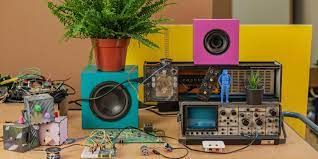
smart mirror
Turn an ordinary mirror into a futuristic piece of functional art with a smart mirror project. By integrating a two-way mirror, a display panel, and a Raspberry Pi or other small computer, you can create a mirror that displays useful information like weather updates, calendar events, and news headlines. It’s not only a cool conversation starter but also a practical addition to your daily routine.
Automated Plant Care:
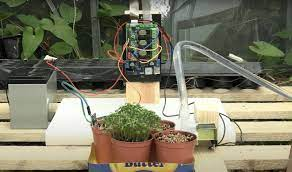
automated plant care
If you’re a plant lover but struggle with keeping your green friends alive, a DIY automated plant care system might be the answer. Using sensors to monitor soil moisture, light levels, and temperature, you can program a microcontroller like Arduino to water your plants precisely when they need it. This project combines technology with eco-consciousness, ensuring your plants thrive.
Home Security Upgrade:
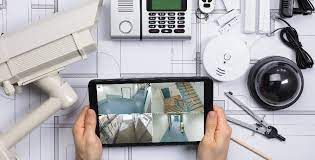
home security
Enhance your home security by creating a DIY smart surveillance system. You can repurpose old smartphones as IP cameras, set up motion detection software, and access the camera feeds remotely. Additionally, you can integrate smart doorbells, window sensors, and even facial recognition technology for a comprehensive security solution.
Give your living space a captivating ambiance with LED lighting projects. Whether it’s installing LED strips under shelves, behind your TV, or along the ceiling, you can use programmable controllers to adjust colors and create dynamic lighting effects that suit your mood or occasion.
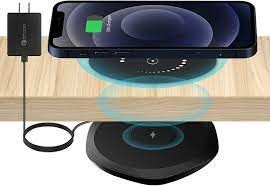
Wireless Phone Charging Furniture:
wireless charging furiture
Tired of dealing with tangled charging cables? Design and build furniture that incorporates wireless charging technology. From nightstands to coffee tables, embedding wireless chargers allows you to power up your devices conveniently while keeping surfaces clutter-free.
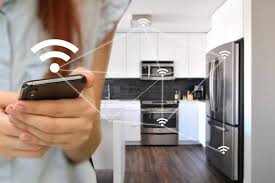
Voice-Controlled Appliances:
voice controlled appliances
Unleash the power of voice commands by retrofitting your appliances with voice control technology. By integrating devices like Amazon Echo or Google Home with compatible smart plugs, you can control lights, fans, and other electronics using voice commands, adding an element of convenience and luxury to your space.
Conclusion:
Incorporating technology into your DIY projects can take your creativity and innovation to new heights. From transforming mirrors into smart displays to upgrading your home security and introducing voice-controlled appliances, the possibilities are limitless. These projects not only showcase your technical skills but also enhance the functionality and aesthetics of your living space. So, why not embark on a journey of tech-infused DIY and turn your home into a haven of innovation?
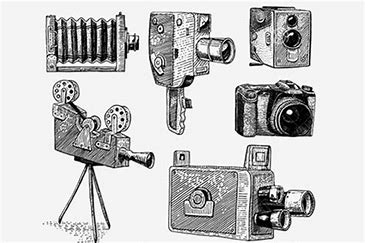
The evolution of cameras has been an extraordinary journey, shaping the way we document and preserve moments in history. From the humble beginnings of the camera obscura to the advanced digital marvels of today, let’s delve into the captivating history of camera making.
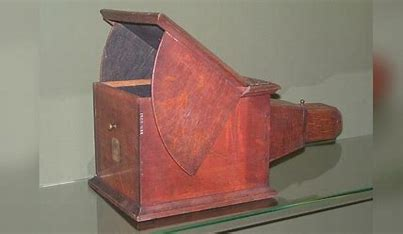
1. Cameras Obscura: The Birth of Imaging
camera obscura
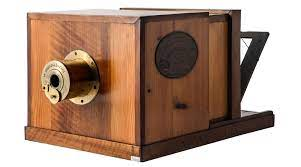
In ancient times, the camera obscura emerged as the precursor to modern cameras. This simple device used a small hole to project an inverted image onto a surface, offering a unique glimpse into the world outside. Early philosophers like Aristotle and Alhazen explored the phenomenon, setting the stage for future innovations.
The 19th century witnessed the groundbreaking invention of the daguerreotype by Louis Daguerre and Nicéphore Niépce. This process marked the first successful method of capturing permanent images using a camera. The long exposure times required posed challenges, but the daguerreotype laid the foundation for photography’s growth.
3. Roll Film: Changing the Landscape
roll film camera
The advent of roll film in the late 1800s, notably popularized by George Eastman and his Kodak company, revolutionized photography. This innovation eliminated the need for bulky glass plates, making cameras more accessible to the general public. The “Kodak moment” became a cultural reference, emphasizing the ease and spontaneity of photography.
4. Single-Lens Reflex (SLR): Precision and Versatility
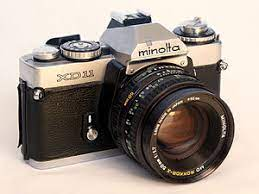
Single lens reflex camera
The introduction of the Single-Lens Reflex (SLR) camera in the mid-20th century marked a significant leap in camera technology. Enabling photographers to view and capture images through the same lens, SLRs offered unprecedented precision and versatility. This development became a staple for professionals and enthusiasts alike.
5. Digital Era: From Pixels to Perfection
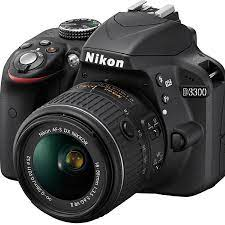
Digital camera
The digital revolution reshaped photography entirely. The transition from film to digital cameras in the late 20th century brought about a seismic shift. Cameras evolved from capturing light on film to converting it into digital information, opening up a realm of possibilities for post-processing and sharing images instantly across the world.
6. Smartphone Cameras: Pervasive Photography
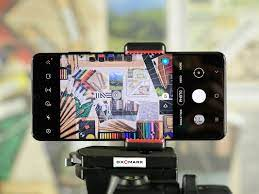
Smartphone camera
The 21st century witnessed an unexpected disruptor – the smartphone camera. Integrated into devices we carry daily, these cameras democratized photography, allowing anyone to capture and share moments effortlessly. Continuous advancements in smartphone camera technology have raised the bar for image quality and convenience.
In recent years, mirrorless cameras have challenged the dominance of DSLRs. These compact yet powerful devices eliminate the need for a bulky mirror mechanism, offering photographers exceptional image quality, interchangeable lenses, and advanced features. Mirrorless cameras have redefined professional photography and attracted a new generation of creatives.
8. AI and Computational Photography: Future Horizons
AI camera
The future of camera making is intertwined with artificial intelligence and computational photography. Cameras are now equipped with algorithms that enhance low-light performance, optimize settings, and even enable features like real-time translation of text within images. As technology evolves, cameras are set to become even more intuitive and capable.
Conclusion:
From the cameras obscura to the AI-driven marvels of today, the history of camera making is a testament to human creativity and innovation. As we continue to capture life’s fleeting moments, let’s embrace the rich legacy of camera technology that has brought us to where we are today and anticipate the exciting advancements that await in the world of photography
RYAN She’s a distraction, that’s what she is. I’m the newest Captain of the Devils, Chicago’s NBA team, and the last thing I needed this year was for Indy Ivers, my sister’s best friend, to move into my apartment. She’s messy, emotional, and way too tempting. But when the team’s General Manager vocalizes his blatant disapproval of my promotion to Captain, referring to me as an unapproachable lone wolf with no work-life balance, I can’t think of a better way to convince him otherwise than pretending to date my outgoing roommate. The only problem? Faking it feels far too natural. Having a fake girlfriend wasn’t supposed to be messy but having Indy under my roof and in my bed is complicated, especially when she wants all the romantic parts of life that I could never give her.
INDY I never imagined I’d be living with my best friend’s brother, NBA superstar Ryan Shay. so Even more unbelievable? He needs me to act as his loving girlfriend who’s suddenly changed him into a friendly and approachable guy. Because, well…he’s not. He’s controlling of his space and untrusting of others. Our arrangement isn’t one-sided, though. I’m in a wedding coming up, one where every one of my childhood friends, including my ex-boyfriend, will be in attendance, and there’s no better date than my ex’s celebrity hero. Blurred lines make it almost impossible to separate real from fake. Falling for my roommate was never part of the deal, especially when Ryan is quick to remind me that he doesn’t believe in love. I’m a romantic and can’t help fantasizing that he’ll change, but soon enough, I find myself questioning if sharing a roof with my best friend’s brother was the right move after all
Format: 417 pages, Kindle Edition Published: January 1, 2023 by Golden Boy Publishing LLC Language: English
About the Author of The Right Move
Liz Tomforde writes sports romance novels that depict realistic and healthy relationships. Her books offer a mix of witty banter and real-life struggles. Her heroes are alpha yet vulnerable, and her heroines are strong.
The Right Move by Liz Tomforde is that love is worth fighting for, even when it’s hard. Indy and Ryan are two very different people, but they have a strong connection that they can’t deny. They both have their own baggage to deal with, but they’re willing to work through it together. In the end, they find their happily ever after.
App development has become a lucrative avenue for generating income, offering countless opportunities for entrepreneurs and developers alike. With the global app market continually expanding, creating a successful app can lead to substantial financial gains. In this blog post, we’ll explore various strategies and subheadings on how to make money through app development.
Choosing the Right Idea For App Development:
Selecting a unique and viable app idea is the foundation of your app’s success. Focus on solving a specific problem or fulfilling a need within a target audience. Conduct thorough market research to identify gaps in the market and understand user preferences.
Monetization Models:
Explore different monetization strategies that align with your app’s purpose. Common models include: a. Freemium: Offer a free version with basic features and charge for premium features or content. b. In-App Purchases: Sell virtual goods, additional levels, or exclusive features within your app. c. Subscription: Provide ongoing value through subscription plans, offering premium content or services. d. Advertising: Display ads within your app and earn revenue based on impressions or clicks. e. Selling the App: Charge an upfront fee for downloading the app.
Prioritize user experience to retain users and encourage positive reviews. A user-friendly interface, smooth navigation, and responsiveness contribute to higher user engagement and better retention rates.
Developing High-Quality Content:
Whether it’s a gaming app, productivity tool, or social networking platform, focus on delivering high-quality content that adds value to users’ lives. Regularly update your app to keep users engaged and excited.
Effective Marketing and Promotion:
Even the best app needs effective marketing to reach its audience. Utilize social media, influencer collaborations, content marketing, and app store optimization (ASO) techniques to increase visibility and downloads.
Localization for Global Reach:
Consider translating your app into multiple languages to expand your user base globally. This can significantly enhance your app’s appeal and increase its chances of success in different markets.
Feedback and Continuous Improvement:
Encourage user feedback and reviews to identify areas for improvement. Regularly update your app to fix bugs, introduce new features, and stay ahead of competitors.
Data Privacy and Security:
Ensure that your app adheres to data privacy regulations and offers robust security features. Users are more likely to trust and continue using an app that respects their privacy.
Collaboration and Networking:
Join app development communities, attend conferences, and connect with fellow developers to stay updated on industry trends, share insights, and potentially find collaboration opportunities.
Analyzing and Adapting:
Leverage analytics tools to track user behavior, engagement metrics, and monetization performance. Use these insights to refine your app’s strategy and make informed decisions.
Conclusion:
App development presents an exciting opportunity to generate income while creating valuable solutions for users. By carefully selecting your app idea, implementing effective monetization strategies, prioritizing user experience, and continuously improving your app, you can increase your chances of making a profitable venture out of your app development journey. Remember, success in app development requires dedication, innovation, and a keen understanding of your target audience’s needs
In today’s digital age, social media has become an indispensable tool for businesses to connect with their target audience. As a result, the demand for skilled social media managers has skyrocketed. If you’re looking to turn your passion for social media into a profitable venture, this guide will walk you through the steps of making money through social media management.
1. Understanding the Role of a Social Media Manager
Before diving in, it’s crucial to comprehend the responsibilities and expectations associated with being a social media manager. This role entails creating, curating, and managing content across various social platforms, engaging with the audience, analyzing data, and devising effective strategies to achieve the client’s goals.
2. Building a Strong Online Presence
To attract potential clients, you need to showcase your expertise and creativity. Start by creating a professional online presence across platforms like LinkedIn, Instagram, and Twitter. Share valuable content related to s media trends, best practices, and success stories to position yourself as an authority in the field.
3. Developing Your Skill Set
Social media platforms and trends are constantly evolving. Stay ahead of the curve by continuously expanding your skill set. Familiarize yourself with tools for content scheduling, analytics, and graphic design. Being proficient in paid advertising, SEO, and community management will make you more valuable to clients.
Specialization can set you apart from the competition. Determine the industries or types of clients you’re passionate about working with. Whether it’s fashion, tech, or healthcare, tailoring your services to a specific niche allows you to understand your target audience better and create more relevant content.
5. Building a Portfolio
As a beginner, you might not have a vast client list, but you can still demonstrate your capabilities through a well-organized portfolio. Create mock s media campaigns, design sample posts, and showcase the results you can achieve. This tangible evidence will instill confidence in potential clients.
6. Finding Clients
Finding clients is a mix of networking, online presence, and outreach. Utilize platforms like Upwork, Freelancer, and Fiverr to bid on social media management projects. Leverage LinkedIn to connect with businesses seeking your services. Cold emailing and attending industry events can also help you build a client base.
7. Setting Prices and Packages
Determining your pricing strategy requires consideration of factors such as your experience, the scope of services offered, and industry standards. You can charge per project, hourly, or offer monthly packages that include content creation, posting schedules, and analytics reports.
8. Delivering Outstanding Results
Client satisfaction is paramount for a thriving social media management business. Consistently deliver quality content, engage with followers, and monitor the performance of your campaigns. Adjust your strategies based on data to achieve the best outcomes for your clients.
9. Upselling and Expanding
Once you’ve established a rapport with your clients, consider upselling additional services such as social media advertising, influencer collaborations, or comprehensive branding strategies. This not only increases your income but also solidifies your position as an indispensable partner.
10. Continuous Learning and Adaptation
The social media landscape evolves rapidly. Stay updated with algorithm changes, emerging platforms, and user preferences. Invest in your professional development through courses, webinars, and networking to ensure your skills remain cutting-edge.
Conclusion
Making money through social media management requires a combination of creativity, strategic thinking, and business acumen. By understanding the nuances of the role, honing your skills, and delivering exceptional results, you can turn your passion for social media into a lucrative and fulfilling career. Remember, success in this field comes from dedication, continuous learning, and the ability to adapt to ever-changing trends.
Ama Torres loves being a wedding planner. But with a mother who has been married more times than you can count on your fingers, Ama has decided that marriage is not the route for her. But weddings? Weddings are amazing. As a small business owner, she knows how to match her clients with the perfect vendor to give them the wedding of their dreams. Well, almost perfect. Elliot hates being a florist, most of the time. When his father left him the flower shop, he considered it a burden, but he’s stuck with it. Just like how he’s stuck with the way he proposed to Ama, his main collaborator and girlfriend (or was she?) two years ago. But flowers have grown on him, just like Ama did. And flowers can’t run off and never speak to him again, like Ama did.
When Ama is hired to plan a celebrity wedding that will bring her business national exposure, there’s a catch: Elliot is already contracted to design the flowers. Things are not helped by the two brides, who see the obvious chemistry between Ama and Elliot and are determined to set them up, not knowing their complicated history. Add in a meddling ex-boss, and a reality TV film crew documenting every step of the wedding prep, and Ama and Elliot’s hearts are not only in jeopardy again, but this time, their livelihoods are too.
Format: 352 pages, Paperback Published: July 11, 2023 by Forever ISBN: 9781538740880 (ISBN10: 1538740885) Language: English
About the Author Forget Me Not
Alyson Derrick is a writer from Pennsylvania. She is the co-author of the New York Times bestseller “She Gets the Girl” and the author of “Forget Me Not”. Derrick is a graduate of the University of Pittsburgh, where she studied English and Creative Writing. She is a member of the Romance Writers of America and the Lambda Literary Foundation. Derrick is a passionate advocate for LGBTQ+ rights and representation in literature.
Stevie wakes up from a terrible fall with no memory of the last two years. She doesn’t remember her girlfriend, Nora, or her friends. She doesn’t even remember her own name.
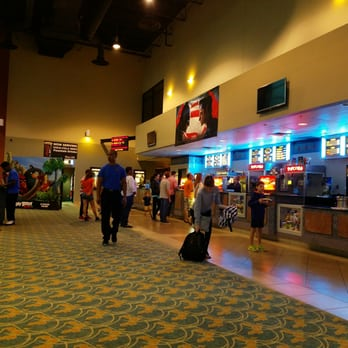
Celebrity Theatres Broussard 10 is the premier movie theater in the Broussard, Louisiana area. With 10 screens, all equipped with the latest in digital projection and sound technology, this theatres offers guests the ultimate movie-going experience.
Celebrity Theatres Broussard 10
In addition to state-of-the-art technology, This place also offers a variety of amenities to make your movie-going experience even more enjoyable. These amenities include:
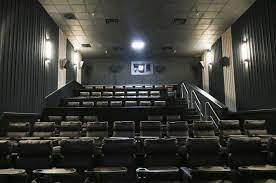
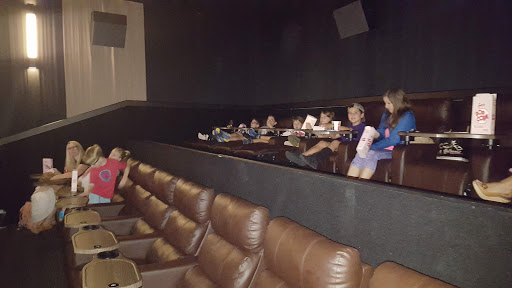
Luxury Recliners
All of the auditoriums at this place are equipped with luxury recliners, so you can relax and enjoy your movie in comfort. Luxury recliners in this place are awesome to experience.
Dedicated Parking
There is a dedicated parking lot for at this theatre, so you won’t have to worry about finding a spot.
Concessions
This movie theatres has a full-service concession stand, so you can get your favorite movie snacks and drinks.
Bar
There is also a bar at this movie theatres , where you can enjoy a drink before or after your movie. This movie theatres is the perfect place to see the latest movies in style. With its state-of-the-art technology, comfortable seating, and delicious concessions, you’re sure to have a great time.
Here are Some Other Things to Know About Celebrity Theatres Broussard 10
The theater is located at 100 North Elm Street in Broussard, Louisiana.
The theater is open seven days a week, from 11:00am to 11:00pm.
Tickets can be purchased online or at the theater box office.
This movie theatres offers a variety of discounts, including matinee pricing, senior discounts, and student discounts.
Conclusion
If you are looking ultimate movie-going experience, you should go to Celebrity Theatres Broussard 10. It is going to make your day.